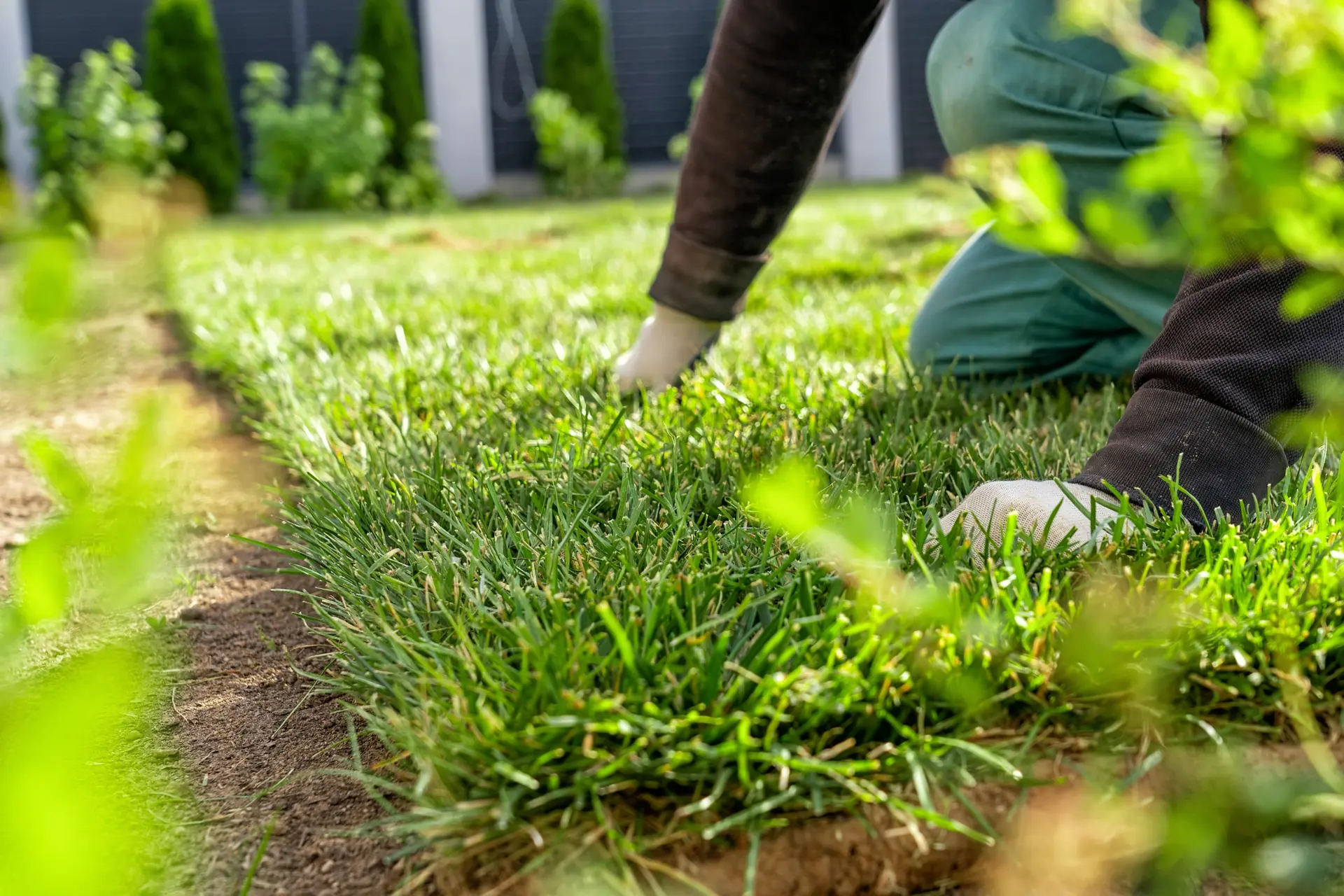
Is your lawn looking more patchy than green no matter what you try? Sometimes, simple fixes just aren’t enough. Knowing the signs you need new sod in Charlotte, NC can help you decide if it’s time to stop repairing and start fresh.
While small issues can be fixed, larger problems like dead patches or poor growth often call for sod replacement. If you’ve been wondering when to replace lawn instead of putting more time and money into repairs, understanding the warning signs can save you frustration and help you get a healthier, better-looking yard faster.
When Should You Replace Your Lawn Instead of Repairing It?
Knowing when to replace your lawn instead of attempting repair is key to getting your lawn back to its best. Here are some scenarios where sod replacement is the better choice:
- Widespread Damage: If more than 50% of your lawn is damaged, patching it up may not be enough. Sod replacement offers a quicker and more reliable solution than patching individual areas.
- Dead or Sparse Grass: If your grass is dead or growing very sparsely across large sections of the yard, replacing the sod will help restore uniformity and provide a healthier lawn that grows back more quickly.
- Persistent Pests or Disease: If your lawn has suffered from persistent issues like pest infestations or diseases, repairing the lawn may be futile. Replacing the sod entirely may be the best option to eliminate the problems and start fresh.
- Compacted Soil: In cases where the soil is too compacted, grass may struggle to grow back, even after attempts to aerate or amend the soil. Proper soil preparation can support sod replacement by providing fresh soil and healthy roots.
- Improper Lawn Care: If your lawn has been poorly maintained for an extended period, it may be more efficient to replace the sod rather than try to repair decades of damage caused by neglect.
In these cases, sod replacement is not only faster but also ensures long-term lawn health by giving you a fresh start.
How Do I Know If My Grass is Beyond Saving?
Determining if your grass is beyond saving requires evaluating its overall health and growth patterns. Here’s what to look for:
- Brown, Dead Grass: If large sections of your grass are brown or completely dead, it’s a sign that the grass may no longer recover. Grass that is dead and dry, especially after adequate watering, indicates a deeper problem such as disease or poor soil quality.
- Compacted or Eroded Soil: Grass won’t thrive on compacted soil. If the ground is hard, dry, or water doesn’t seem to penetrate, your soil may need more than just a little repair—it may require new sod to promote root growth.
- Weeds Overrunning the Lawn: If weeds have overtaken your lawn and are outcompeting your grass, it could indicate that the grass has died off or isn’t growing well. While weed control can help, sometimes sod replacement is the most effective way to reclaim your lawn.
- Bare Patches: When grass fails to grow back in certain areas, or you’ve got bare patches throughout your yard, this could be a sign that the soil beneath is no longer suitable for grass growth. These patches are often beyond simple repair and may need fresh sod for restoration.
If you see any of these signs, it’s time to consider installing new sod instead of relying on repairs.
Can Dead Patches Be Fixed Without Replacing Sod?
In some cases, dead patches in your lawn can be fixed without replacing the sod. Here’s how:
- Reseeding: If the soil is healthy and the damage is limited to a few patches, you may be able to reseed those areas. After aerating the soil, spreading seed and ensuring proper watering can restore growth in those areas.
- Overseeding: For lawns that are thinning but not completely dead, overseeding is a viable solution. This involves spreading new seed over your existing lawn to help fill in bare spots.
- Soil Amendment: Sometimes, the issue isn’t the grass but the soil. Amending the soil with organic material or fertilizer can help improve its structure and promote new growth in certain areas.
However, if the damage is widespread or the soil quality is poor, sod replacement in Charlotte, NC might be the best and most effective solution. For a deeper breakdown, see when full sod replacement becomes the smarter choice.
What Causes Lawns to Fail Completely?
There are several factors that can cause a lawn to fail completely, including:
- Inadequate Watering: Overwatering or underwatering can lead to a stressed lawn that eventually dies. If the grass is getting inconsistent water, it won’t thrive and may die off completely.
- Pest Infestation: Lawn-damaging pests, such as grubs or chinch bugs, can quickly destroy a healthy lawn. Left untreated, pest infestations can lead to widespread damage that requires full sod replacement.
- Poor Soil Quality: Lawns that are planted in soil that doesn’t drain well, is too compacted, or lacks nutrients will struggle. Even with proper care, poor soil conditions can cause the grass to fail.
- Improper Lawn Care: Lack of proper mowing, fertilization, aeration, and disease management can stress grass and eventually cause it to fail completely. In these cases, sod replacement in Charlotte, NC may be necessary to restore the health of the lawn.
- Extreme Weather: Harsh winters, droughts, or extreme heat can damage lawns. If the grass hasn’t recovered from extreme weather conditions, it may be time to install fresh sod.
Is It Better to Reseed or Install New Sod?
Whether you should reseed or install new sod depends on the state of your lawn and how extensive the damage is:
- Reseeding: Reseeding works best for lawns with minor damage or thinning. If the existing grass is still somewhat healthy and the soil is in good condition, reseeding can be an effective and cheaper option to fill in bare patches.
- Sod Installation: Sod installation is the better option for lawns that are severely damaged or have large areas of dead grass. It provides an instant, lush green lawn, and the roots will establish more quickly than with seed. Professional sod installation is often the best choice for creating a healthy lawn in a shorter time.
If your lawn has significant or widespread damage, installing new sod is usually the faster and more reliable solution.
How Much Damage is Too Much For Lawn Repair?
If the damage to your lawn is more than about 50%, or if the grass is completely dead in large sections, repairing it may not be feasible. Some signs that the damage is too much for repair include:
- Large Dead Spots: If dead grass covers large areas of your lawn, sod replacement is usually the best solution. Reseeding these areas may not be effective if the surrounding grass is weak or unhealthy.
- Compacted Soil: If the soil has become so compacted that water isn’t penetrating, replacing the sod may be the only way to ensure the lawn gets enough nutrients and moisture.
- Extensive Pest or Disease Damage: If pests or disease have compromised the entire lawn, it may be impossible to revive it without starting fresh with new sod.
What are The Fastest Ways to Restore a Damaged Lawn?
If you’re looking to restore your damaged lawn quickly, here are some options:
- Sod Installation: Sod replacement is the fastest way to get a green lawn. You’ll have an instant lawn that’s ready for use and requires less time to establish than seeding.
- Overseeding: For thinning lawns, overseeding with the appropriate grass variety can help restore your lawn in a couple of weeks. This method works best when the soil is healthy and well-maintained.
- Fertilization and Aeration: Applying the right fertilizer and aerating the soil can promote faster recovery for lawns with minor damage. These methods encourage new growth and improve root development.
- Weed and Pest Control: If your lawn is suffering from weeds or pests, removing them with proper treatments is essential for restoring lawn health.
For the fastest lawn restoration, sod installation is typically the best choice.
Conclusion
A struggling lawn can be frustrating, especially when repairs don’t seem to work. Knowing when to stop patching and start fresh is key to getting better results.
If your grass is thinning, damaged, or not responding to care, replacing it may be the more effective solution. Taking the time to assess the condition of your lawn helps you avoid wasting effort on temporary fixes.
With the right decision, you can create a healthier, greener yard that looks better and requires less ongoing maintenance.
Stop Repairing and Start Fresh with Confidence
Sometimes, no matter how much effort you put in, your lawn just won’t bounce back. That’s when sod replacement becomes the better option. Understanding when to replace lawn can save you time, money, and frustration in the long run.
If you’ve noticed the signs you need new sod in Charlotte, NC, taking the next step can give you fast, noticeable results. A new layer of sod creates a clean slate and helps your yard grow back healthier, thicker, and more vibrant than before.