A new lawn can fail fast if the basics are missed. Sod installation may look simple, but small mistakes can lead to dry patches, weak roots, and uneven growth.
Many sod installation mistakes happen before the grass is even laid, like poor soil prep, bad timing, or not watering soon enough. The good news is that most problems are easy to avoid when you know what to watch for.
With the right lawn installation tips in Charlotte, NC, you can give your sod a cleaner start and help it grow into a healthy, stronger lawn.
What Are The Most Common Sod Installation Mistakes?
There are several common mistakes that can cause a new sod lawn to fail or look uneven. The good news is that most of them are preventable when the project is handled correctly from the beginning.
Skipping Proper Soil Prep
One of the biggest sod installation mistakes is laying sod over poorly prepared ground. Some homeowners assume that as long as the sod looks healthy, it will grow anywhere. In reality, sod needs good soil contact and a stable, workable base to root successfully.
Waiting Too Long To Install It
Fresh sod is a living product. Once it is harvested, it should be installed quickly. Letting it sit too long on pallets can weaken the grass and dry out the roots before it ever reaches the ground.
Watering Incorrectly
Both too much water and too little water can cause problems. This is one of the most frequent issues with new sod installation projects, especially when homeowners guess instead of following a proper watering schedule.
Leaving Gaps or Overlapping Pieces
Improper placement can create visible seams, weak rooting areas, and an uneven appearance. Sod should be fitted snugly and laid in a staggered pattern for the best results.
Using the Lawn Too Soon
Another common mistake is treating the lawn like it is fully established right after installation. Fresh sod may look finished, but it still needs time to root. Too much early foot traffic can damage the lawn before it has a chance to settle.
For homeowners looking for reliable lawn installation tips, the main takeaway is simple: successful sod work is about more than delivery and layout. The full process matters.
Why Does New Sod Die After Installation?
New sod can die after installation for a few common reasons, and most of them are related to stress during the early establishment stage.
Poor Root Contact
If the sod is laid over uneven, compacted, or debris-filled ground, the roots may not make proper contact with the soil underneath. Without that connection, the sod cannot absorb water efficiently or begin rooting well.
Inconsistent Watering
A fresh sod installation in Charlotte, NC needs moisture right away and consistently afterward. If the sod dries out in the early days, it can quickly turn brown and decline. At the same time, constantly flooding the lawn can also weaken the roots and create rot-related issues.
Heat and Delayed Installation
Sod that is left rolled up too long in warm weather can build up heat internally and start to deteriorate fast. This is one of the most damaging sod installation mistakes because the sod can begin failing before it is even laid.
Weak Soil Conditions
If the soil underneath is compacted, poorly graded, or lacking in quality, the sod may struggle to establish even if it is watered. A healthy lawn depends on what is under the surface just as much as what is visible above it.
Early Traffic and Stress
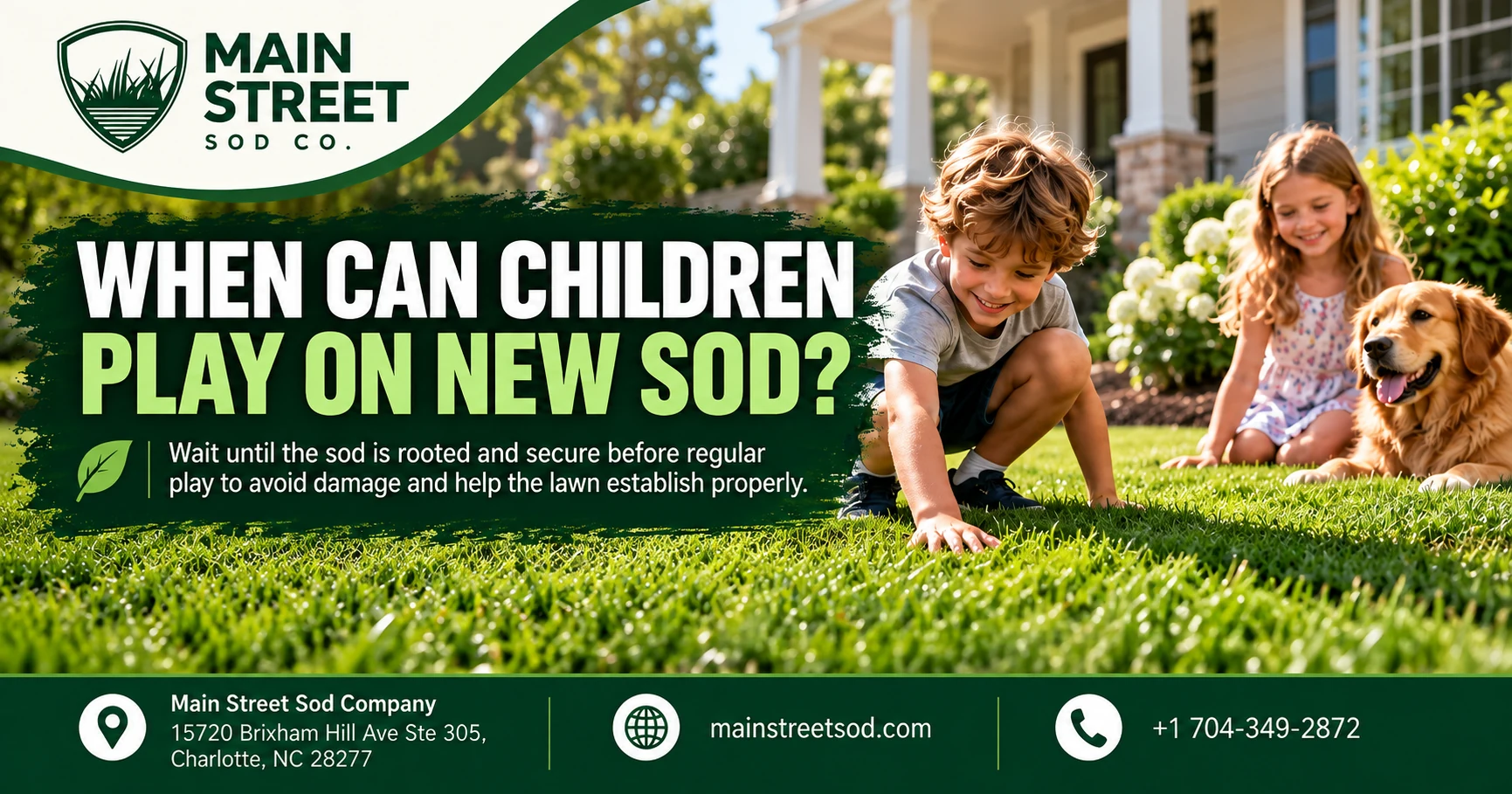
New sod needs a calm, stable period to root. Pets, kids, mowing too soon, or repeated walking can pull at seams and damage the fragile connection between the sod and soil.
If you want strong results, one of the most important lawn installation tips is to treat new sod like a lawn in transition, not a finished lawn that is immediately ready for regular use.
Can You Overwater Or Underwater Sod?
Yes, absolutely. Both overwatering and underwatering are common problems, and either one can interfere with healthy rooting.
What Happens When Sod Is Underwatered
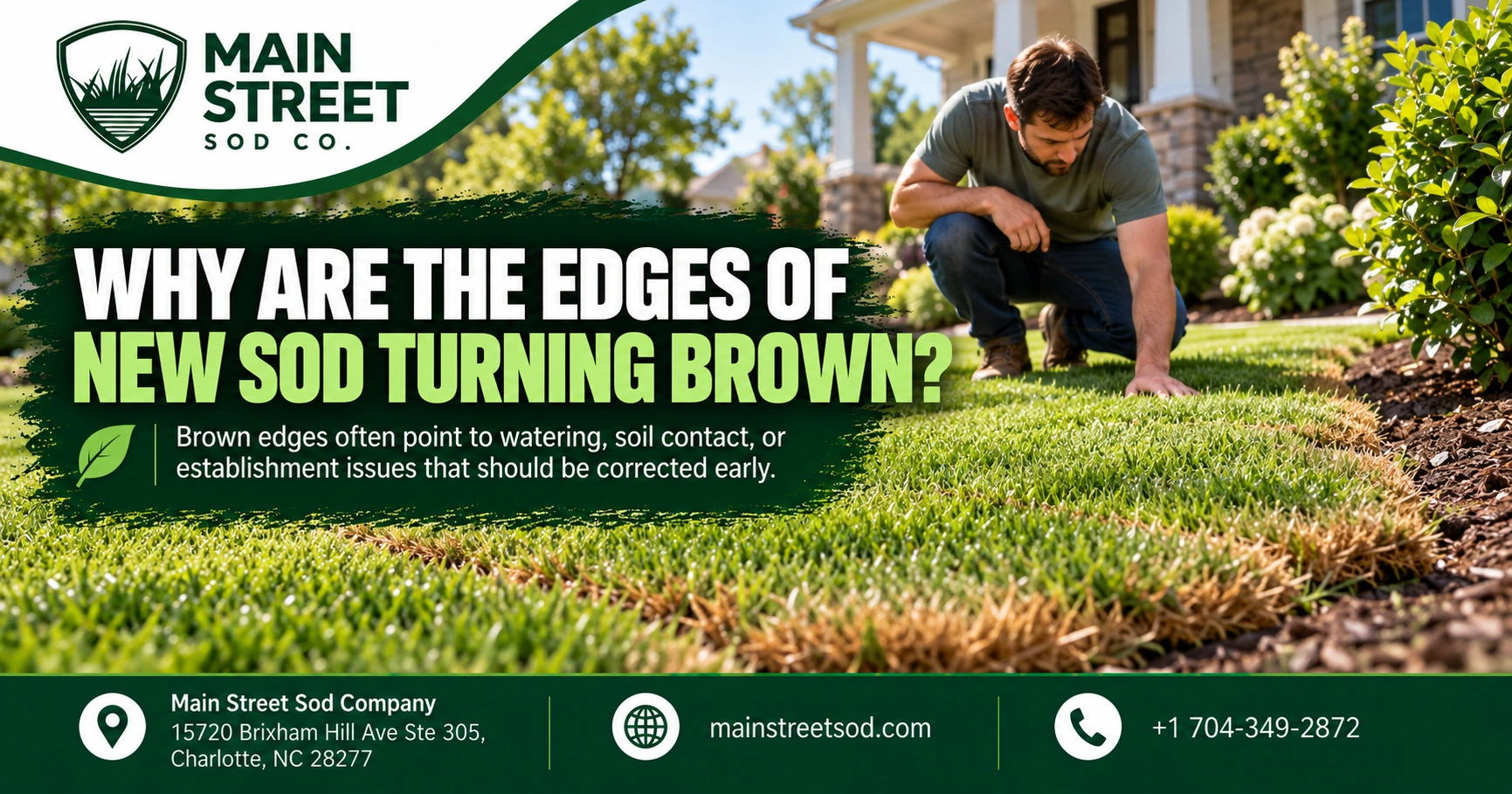
When sod does not get enough moisture, the roots dry out before they can anchor into the soil. The grass may curl, fade in color, develop dry edges, or turn brown. In severe cases, the sod can shrink or pull apart at the seams.
Underwatering is one of the most common sod installation mistakes because new sod has very specific moisture needs during the establishment period.
What Happens When Sod Is Overwatered
Too much water can be just as harmful. Overwatering can keep the soil overly saturated, reduce oxygen around the roots, and create conditions where the sod struggles to establish deeply. Instead of encouraging the roots to grow down, excessive watering can keep the lawn overly shallow and weak.
Balance Is the Goal
A successful sod installation needs consistent moisture, not constant flooding. The goal is to keep the sod and soil damp enough to support rooting while avoiding standing water and soggy conditions.
Why Watering Needs Change Over Time
The watering schedule for new sod is not the same forever. Early on, frequent watering is often needed to keep the sod moist. As the lawn starts to root, watering usually shifts toward deeper, less frequent sessions. One of the most important lawn installation tips is to understand that watering should evolve as the lawn establishes.
What Happens If Sod is Not Installed Quickly?
If sod is not installed soon after delivery or harvest, its condition can decline fast.
Sod Heats Up on the Pallet
Rolled sod stacked on pallets can begin to generate heat internally, especially in warm weather. That heat can stress or even damage the grass before it is unrolled. The longer it sits, the greater the risk.
Roots Begin To Dry Out
Fresh sod needs timely installation because the root zone is vulnerable once it is harvested. Delays can lead to drying, shrinking, and reduced vigor, which makes it harder for the sod to establish properly after it is finally laid.
The Lawn May Look Fine at First but Fail Later
One tricky part about this issue is that delayed sod does not always look completely ruined right away. It may still appear green when installed, but weakened sod is much more likely to struggle in the days that follow. This makes delayed placement one of the more deceptive sod installation mistakes.
Timing Protects Your Investment
A good sod installation plan includes coordinating delivery and installation so the sod spends as little time as possible sitting unused. If you are ordering sod for a project, one of the best lawn installation tips is to have the site fully prepared before the sod arrives.
Why Is Soil Preparation Important Before Laying Sod?
Soil preparation is one of the most critical parts of the entire process. In many ways, it determines whether the new lawn thrives or struggles.
Sod Needs Good Contact With the Soil
Fresh sod cannot root properly if it is laid over hard, compacted ground or uneven surfaces. The roots need direct contact with prepared soil so they can begin growing downward and anchoring the lawn.
Soil Prep Helps With Drainage and Leveling
Proper prep is about more than loosening the ground. It also helps address grading concerns, low spots, and drainage issues. These things affect how water moves through the yard and whether certain areas become too wet or too dry after installation. Learn more about proper soil preparation before installing sod.
Existing Problems Do Not Disappear Under New Sod
One of the costliest sod installation mistakes is assuming that sod will magically fix what is wrong underneath. If the yard has compacted soil, poor grading, or debris left in place, those issues can continue causing problems after installation.
Better Prep Leads To Better Rooting
A well-prepared site supports faster rooting, a smoother appearance, and stronger long-term lawn health. That is why experienced installers treat preparation as a major phase of the project, not a minor side task.
For anyone researching lawn installation tips, this is one of the biggest lessons to remember: healthy sod starts with healthy ground.
How Do You Prevent Gaps Between Sod Pieces?
Preventing gaps is important for both appearance and lawn performance. Poorly fitted sod can create weak areas where the grass dries out, shrinks, or never blends evenly.
Lay Sod Tightly Together
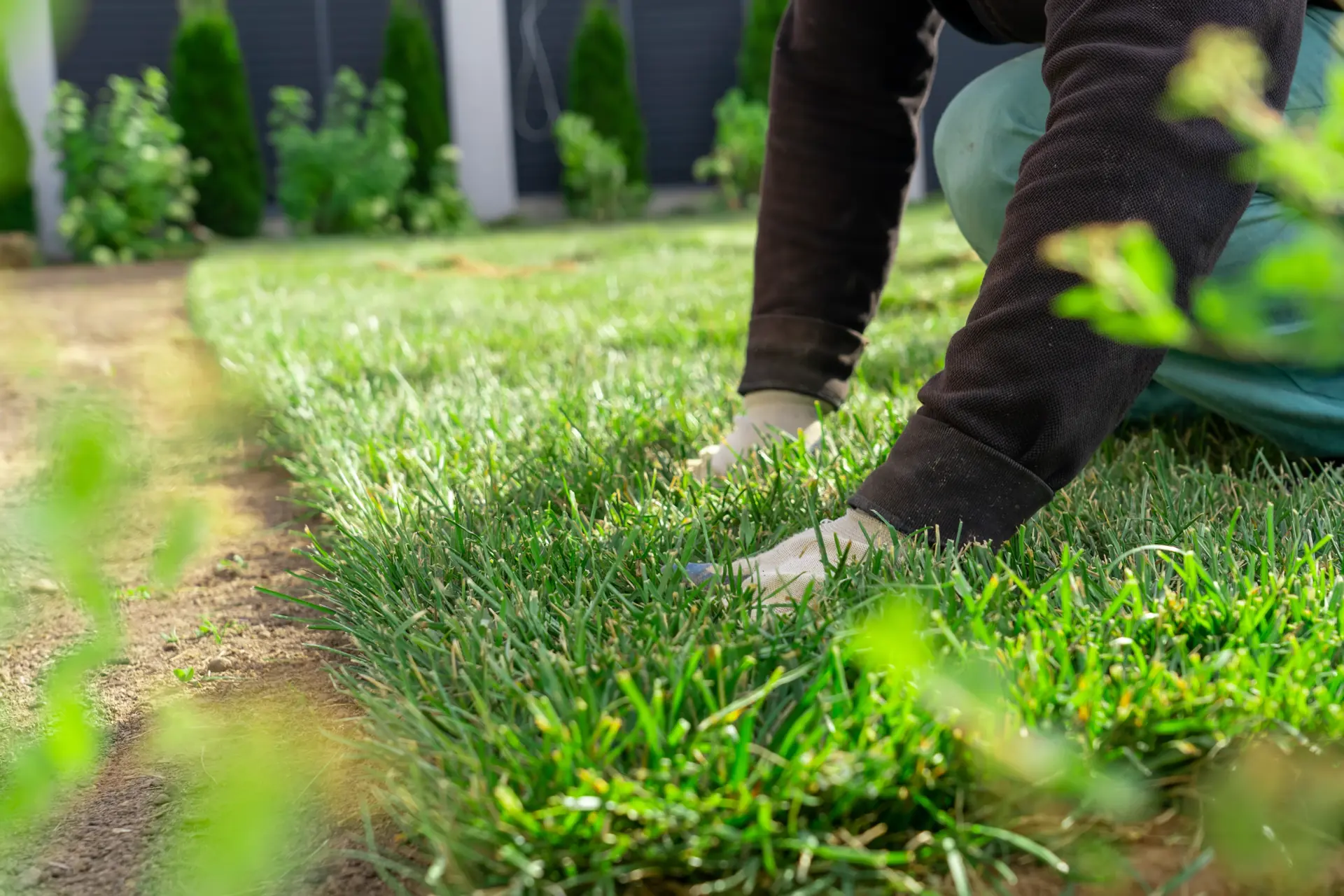
Each piece of sod should be placed snugly against the next without overlapping. If there is too much space between sections, the seams can dry out and become more visible as the lawn settles.
Stagger the Seams
A staggered pattern helps the lawn look more natural and improves overall stability. Long continuous seams can make the installation look less professional and may create more noticeable separation lines.
Avoid Stretching or Forcing Pieces
Sod should be placed carefully, not stretched to cover more ground. Pulling it can distort the pieces and lead to shrinking as the sod settles. Trimming edges properly around beds, curves, and walkways creates a better fit than trying to force sections into place.
Roll the Lawn After Installation
In many sod installation projects, rolling the lawn helps press the sod into the soil and reduce air pockets. This can help the seams settle more evenly and improve contact between the sod and the soil underneath.
If you want the lawn to look seamless and establish more uniformly, avoiding these sod installation mistakes during layout is essential.
What Should You Avoid After Installing New Sod?
What happens after installation is just as important as what happens during installation. Many lawn problems begin when homeowners unintentionally stress the sod too soon.
Avoid Heavy Foot Traffic
Fresh sod should not be treated like a finished, fully rooted lawn. Walking on it too much can shift the pieces, open seams, and interfere with root development.
Avoid Mowing Too Soon
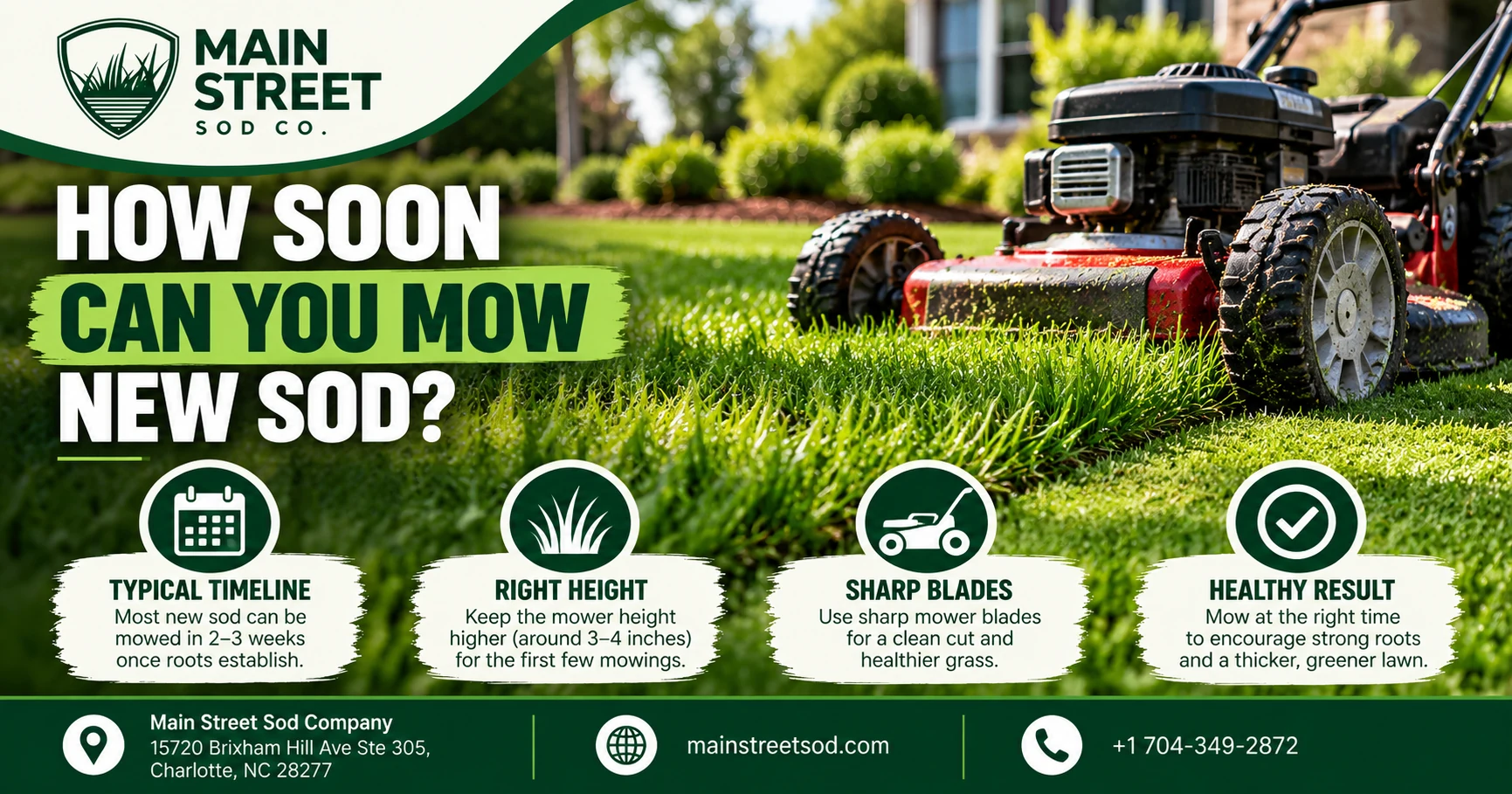
The lawn needs time to establish before mowing begins. Cutting the grass too early can pull or disturb the sod before it has anchored itself into the soil.
Avoid Ignoring Watering Instructions
One of the most preventable sod installation mistakes is assuming the lawn can be watered casually or inconsistently. New sod needs a structured watering routine, especially in the first few weeks. For detailed care guidance, see how to maintain your sod properly.
Avoid Letting It Dry Out
Even one or two hot, dry days without enough moisture can stress new sod. Homeowners should keep a close eye on weather conditions and adjust watering accordingly during the early stage.
Avoid Assuming Green Means Established
A newly laid sod installation can look healthy before it is fully rooted. Just because the lawn appears finished does not mean it is ready for normal use. Patience is part of protecting your investment.
One of the smartest lawn installation tips homeowners can follow is to give the lawn a proper settling-in period before returning to normal mowing, play, pets, and foot traffic.
Conclusion
A successful sod project starts long before the grass touches the ground. Careful soil preparation, proper timing, quick watering, and consistent aftercare all help your new lawn settle in and grow strong.
By avoiding common sod installation mistakes, you can prevent weak roots, dry spots, uneven seams, and early lawn stress. The key is to treat every step as important, from planning to the first few weeks of care.
With the right approach and reliable lawn installation tips, your sod can become a healthy, attractive lawn that improves your property and lasts for years.
Get Your New Lawn Done Right From Day One
A fresh lawn can transform your property fast, but only when each step is handled with care. Good soil prep, timely Sod Installation, proper watering, and simple aftercare all help your grass root well and avoid early problems.
Main Street Sod Company helps Charlotte, NC homeowners prevent common Sod Installation Mistakes with quality sod, skilled installation, and clear guidance after the job is done. When you want a lawn that looks clean, healthy, and built to last, you can contact their team to get started with a reliable solution.