Think summer heat is the biggest threat to new sod? It can be, especially if you install it at the wrong time. Timing really matters when it comes to laying sod before a heat wave rolls in.
Fresh sod needs time to root, soak up water, and adjust to its new home before extreme temperatures hit. If you wait too long, the heat can dry it out fast and make it harder for your lawn to take hold.
Planning ahead gives your sod a better chance to stay green, healthy, and strong. A little smart timing now can save you a lot of trouble later.
Why Is It Important To Install Sod Before Extreme Summer Heat?
Think about what sod goes through during installation.
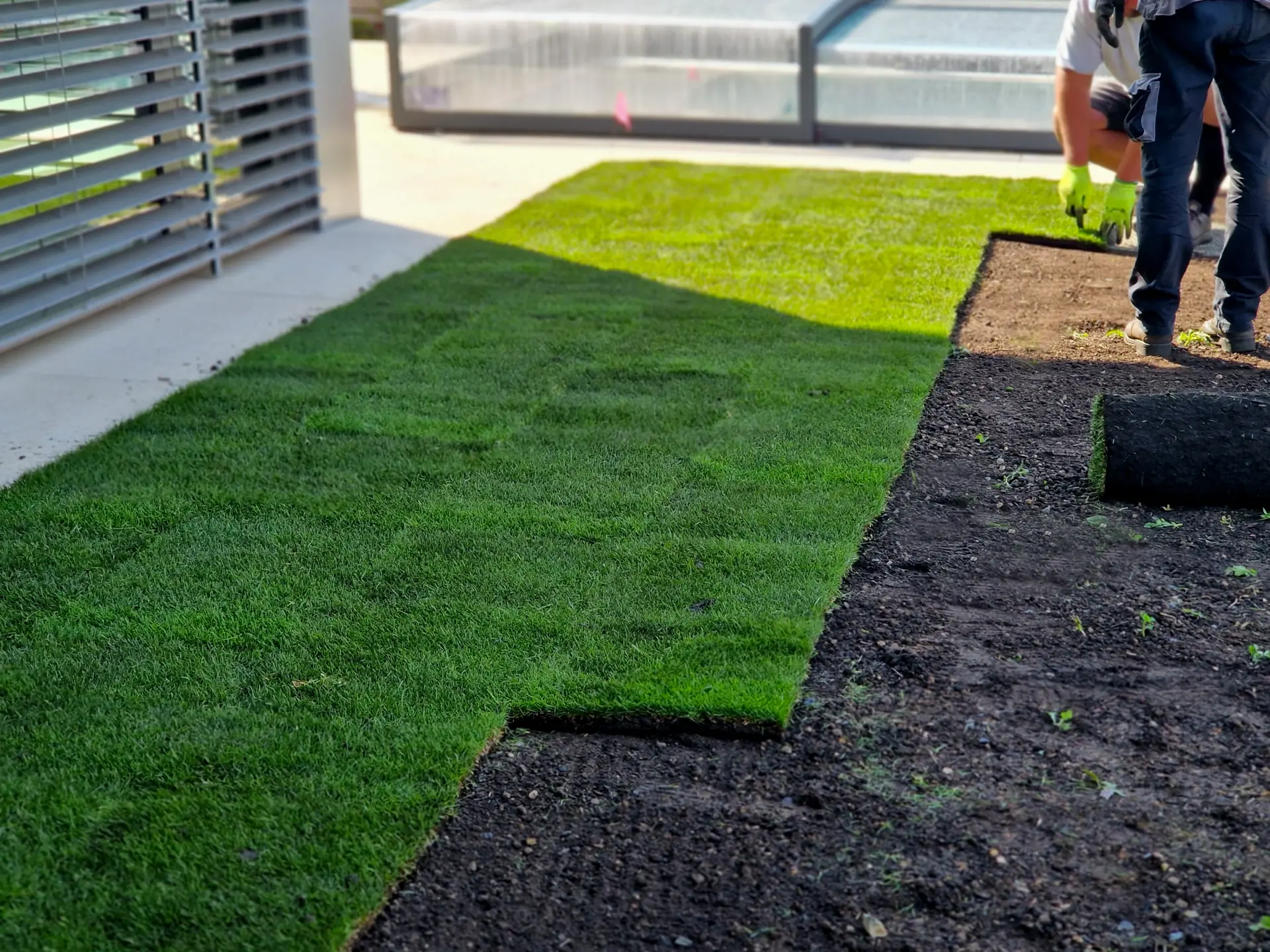
It’s cut from a farm, stacked, transported, and laid down on prepared soil. The moment it’s harvested, its root system is essentially interrupted. Once installed, it has to reestablish those roots into your soil as quickly as possible.
That rooting period is critical.
During those first 10 to 14 days, sod is vulnerable. It’s adjusting. It’s reconnecting. It’s depending entirely on consistent moisture and manageable temperatures.
When extreme heat hits during this window, a few challenges emerge:
- Moisture evaporates faster than roots can absorb it
- Soil temperatures spike
- Leaf blades dry out
- Stress levels increase
The goal is simple: give sod a head start before temperatures soar.
Installing before peak heat allows:
- Stronger initial root establishment
- Deeper root penetration
- Reduced transplant shock
- Healthier long-term turf development
It’s not that sod can’t survive summer — it absolutely can. But installing just ahead of a major heat wave stacks the odds against it.
Giving sod time to settle before the hottest days arrive changes everything.
How Does High Temperature Affect Newly Installed Sod?
Heat affects sod differently than established grass.
A mature lawn has an extensive root system. It can pull moisture from deeper soil layers. It can tolerate short dry periods.
New sod? Not yet.
Here’s what high temperatures can do during early installation:
1. Accelerated Moisture Loss
High temperatures increase evaporation rates dramatically.
That means:
- Soil dries faster
- Sod dries faster
- Watering needs increase
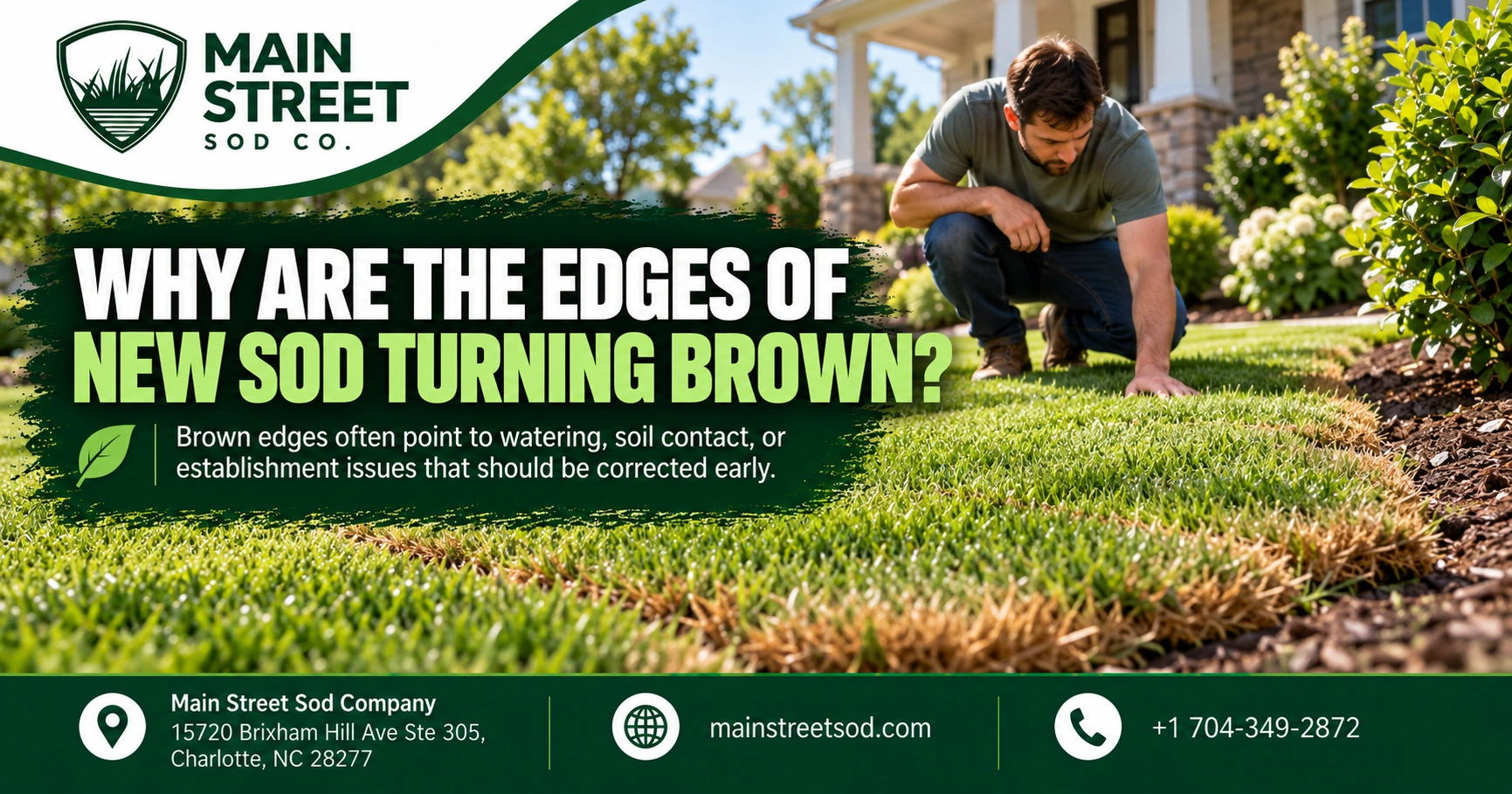
If moisture isn’t maintained carefully, sod edges can begin to curl or shrink — a clear sign of stress.
2. Slower Root Establishment
Root growth slows in extreme heat.
Instead of focusing on deep root development, sod shifts energy toward survival.
This can result in:
- Shallower root systems
- Longer establishment time
- Greater dependency on frequent watering
3. Increased Risk of Burn
New sod blades are tender.
When temperatures climb into the 90s and above, especially under direct sun, leaf tissue can scorch if not properly hydrated.
This doesn’t always mean the sod is dead — but it can set back progress.
4. Soil Compaction and Hardening
Heat dries the top layer of soil quickly.
If the soil surface becomes too dry or compacted, it makes root penetration more difficult.
Healthy rooting requires:
- Consistent moisture
- Soft, receptive soil
Heat disrupts that balance.
High temperatures don’t automatically destroy new sod — but they demand precision in care.
When is The Best Time of Year To Lay Sod to Avoid Heat Stress?
If you want to avoid heat stress altogether, timing is your greatest ally.
The best windows for sod installation typically fall during early to mid-spring or early fall.
Here’s why.
Spring Installation
Spring offers:
- Moderate daytime temperatures
- Cooler nights
- Increased natural rainfall
- Active growing conditions
Sod installed in spring benefits from months of growth before summer heat arrives.
By the time peak temperatures hit, the root system is stronger and more resilient.
Fall Installation
Early fall can be equally ideal.
Soil temperatures remain warm from summer, encouraging root growth, but air temperatures are cooler.
Fall sod enjoys:
- Reduced evaporation
- Lower stress
- Extended establishment before winter dormancy
What About Mid-Summer?
Summer installation isn’t impossible — it just requires:
- Increased watering diligence
- Close monitoring
- Strategic scheduling
In many regions, laying sod in late summer just before a predicted heat wave adds unnecessary risk.
Watching local forecasts and planning around projected temperature spikes is smart strategy.
Timing isn’t about perfection. It’s about giving sod the most forgiving environment possible during its most fragile stage.
Can Sod Survive a Heat Wave If It Was Recently Installed?
This is the question homeowners ask when the forecast suddenly changes.
The short answer is yes — sod can survive a heat wave.
But survival depends heavily on preparation and care.
If a heat wave hits shortly after installation, focus on:
1. Consistent Moisture
During extreme heat, new sod may require:
- Light watering multiple times per day
- Monitoring to prevent dry patches
- Even moisture across the entire lawn
The goal is to keep the sod damp, not flooded, during the initial rooting phase.
2. Avoiding Heavy Foot Traffic
Heat-stressed sod is fragile.
Walking across it too soon can:
- Disrupt root development
- Create depressions
- Increase stress
Limit activity until roots are firmly anchored.
3. Monitoring Edges and Seams
The edges of sod pieces dry out first.
Pay special attention to:
- Corners
- Sloped areas
- Sun-exposed sections
These areas may require additional attention.
4. Adjusting Expectations
If minor browning appears during a heat wave, don’t panic immediately.
Sod often looks worse before it looks better during stress periods.
As long as roots are developing beneath the surface, recovery is likely once temperatures stabilize.
However, if installation occurred immediately before a prolonged, intense heat wave without proper irrigation, damage can occur.
Timing reduces the need for crisis management.
The Bigger Picture: Patience Pays Off
Installing sod is exciting.
You go from bare soil to lush green lawn in a single day. It feels like instant transformation.
But beneath that fresh appearance, a quiet process is happening.
Roots are searching for stability.
Moisture is moving through soil.
Microorganisms are adjusting to new turf.
Heat can either support or disrupt that process.
That’s why experienced landscapers pay attention to timing. Not because sod can’t survive summer — but because it thrives best when given a strategic head start.
When you install before extreme heat, you’re not just planting grass. You’re investing in resilience.
Set Your Lawn Up for Success Before the Heat Hits
If you’re planning to install sod and want to avoid battling extreme summer temperatures, now is the time to think strategically.
At MainStreet Sod Company, we help homeowners choose the right timing, prepare soil properly, and install sod in conditions that support strong, healthy establishment. Our goal isn’t just to give you a green lawn today; it’s to make sure it stays green long after summer heat arrives.
Don’t let unpredictable temperatures dictate your lawn’s future. Let’s schedule your sod installation at the right time before the heat has the final say.