A lawn should be replaced when large areas remain dead, thin, weedy, compacted, or uneven despite proper watering, fertilizing, aeration, and repair efforts. Choosing to replace a lawn with sod is often the fastest solution when damage covers much of the yard and the existing grass can no longer recover evenly.
New sod creates an immediate surface, reduces erosion, improves appearance, and gives homeowners a cleaner starting point. The right decision depends on the amount of damage, soil condition, weed pressure, drainage, and how quickly the lawn needs to become usable.
How Do I Know If My Lawn Is Beyond Repair?
A lawn may be beyond practical repair when dead or bare areas cover a large percentage of the property. Small patches can often be reseeded or patched with sod. Widespread decline usually points to deeper problems.
Look for grass that remains thin after proper care. Repeated failure suggests that the soil, drainage, grass variety, or root system is no longer supporting healthy growth.
Signs Repair May Not Be Enough
Common warning signs include:
- Severe soil compaction
- Recurring fungal disease
- Poor drainage
- Extensive insect damage
- Large areas of exposed soil
Homeowners should also consider how often they are repairing the same areas. Repeated spending on seed, fertilizer, weed control, and patching can exceed the cost of starting over.
Professional lawn replacement and sod installation services can evaluate whether the existing turf is salvageable. A site inspection helps separate surface problems from drainage, soil, and grading issues that must be corrected first.
Should I Replace Dead Grass With Sod or Seed?
Sod is usually the better option when homeowners want fast coverage, predictable appearance, and better erosion control. Seed costs less initially, but it requires more time, protection, and careful watering.
Sod creates an established lawn surface immediately. It can reduce mud, limit soil movement, and make the property look finished within hours of installation.
Seed may work well for small repairs, large budget-sensitive areas, or properties where immediate use is not important. However, germination can be uneven. Weather, weeds, and traffic can reduce results.
The condition of the soil should guide the decision. Neither sod nor seed will succeed over compacted, poorly graded, or nutrient-deficient ground. Proper sod preparation gives the new lawn a stronger foundation for root development.
For extensive dead grass, sod often produces more consistent coverage. It also shortens the period when the yard is vulnerable to erosion and weed growth. Homeowners dealing with sloped or exposed areas may also benefit from professional erosion control before or during installation.
Can Weeds Be a Sign That I Need New Sod?
Yes. Heavy weed growth can indicate that the grass is too weak or thin to compete for light, water, and nutrients. Weeds often fill spaces left by declining turf.
A few weeds do not mean the lawn needs replacement. Basic care may restore a mostly healthy yard.
Replacement becomes more reasonable when weeds dominate large sections, return quickly after treatment, or grow alongside extensive bare soil. In these cases, the turf may lack enough healthy roots to recover.
Some weeds also reveal specific site problems. Sedges may suggest excess moisture. Crabgrass often thrives in thin soil with weak turf coverage. Broadleaf weeds may take advantage of compacted or disturbed areas.
Simply covering weeds with sod is not enough. Existing vegetation should be removed, and the underlying cause should be corrected. Otherwise, weeds can return through seams or weak areas. A complete sod tear-out may be necessary when the existing lawn is heavily contaminated or severely deteriorated.
When Is the Best Time to Replace a Lawn?
The best timing depends on the sod variety, local climate, soil temperature, and available irrigation. Sod should be installed when roots can begin establishing before severe heat, cold, or drought.
In Charlotte, warm-season grasses are often installed during active growth because warm soil supports faster rooting. Cooler periods may reduce heat stress, but dormant grass can take longer to establish.
Homeowners should avoid scheduling installation when the ground is frozen, saturated, or extremely dry. Heavy rain can delay grading and create soft soil. Severe heat increases watering demands and can dry sod quickly.
Fresh sod should be delivered and installed promptly. Planning equipment, labor, irrigation, and soil preparation before delivery reduces the risk of damage. Professional sod delivery can help coordinate fresh turf arrival with site readiness.
A professional can recommend timing based on grass type and property conditions. Homeowners can also compare available turf varieties based on sunlight, traffic, drainage, and maintenance needs.
How Much Damage Justifies Replacing a Lawn?
Replacement is often justified when damage affects roughly half the lawn or more, especially when the remaining grass is weak, mixed, or uneven. The exact threshold depends on repair costs and the condition of the surviving turf.
Large dead zones caused by construction, drought, insects, disease, or drainage failures may be difficult to blend with patches. Replacing the lawn can create a more uniform result.
Severe grading problems are another reason to start over. If water flows toward the house, pools in low areas, or erodes soil, the surface may need reshaping before new grass is installed. Professional grading and leveling can correct uneven areas and prepare the property for consistent sod placement.
Homeowners should compare the cost of repeated repairs with complete replacement. Repeated repairs can become expensive without producing a consistent lawn. Understanding when full sod replacement becomes the smarter choice can help homeowners evaluate the long-term value of starting over.
When damage is limited and the root system remains healthy, targeted repair is usually more economical. A professional assessment can prevent unnecessary full replacement.
Will New Sod Improve My Home’s Curb Appeal?
New sod can improve curb appeal immediately by creating consistent color, density, and coverage. It removes the patchy appearance caused by bare soil, mismatched grass, weeds, and erosion.
A healthy lawn also helps frame landscaping, walkways, driveways, and exterior features. Clean turf lines can make the entire property look more maintained.
A level, established lawn can improve usability and reduce muddy areas around entrances and outdoor living spaces. Fresh sod may also support stronger perceived property value when installed at the right time, particularly before listing or completing exterior improvements.
Results depend on preparation. Uneven soil, poor drainage, or visible seams can reduce the finished appearance. Professional installation helps create smoother grades, tighter joints, and cleaner edges.
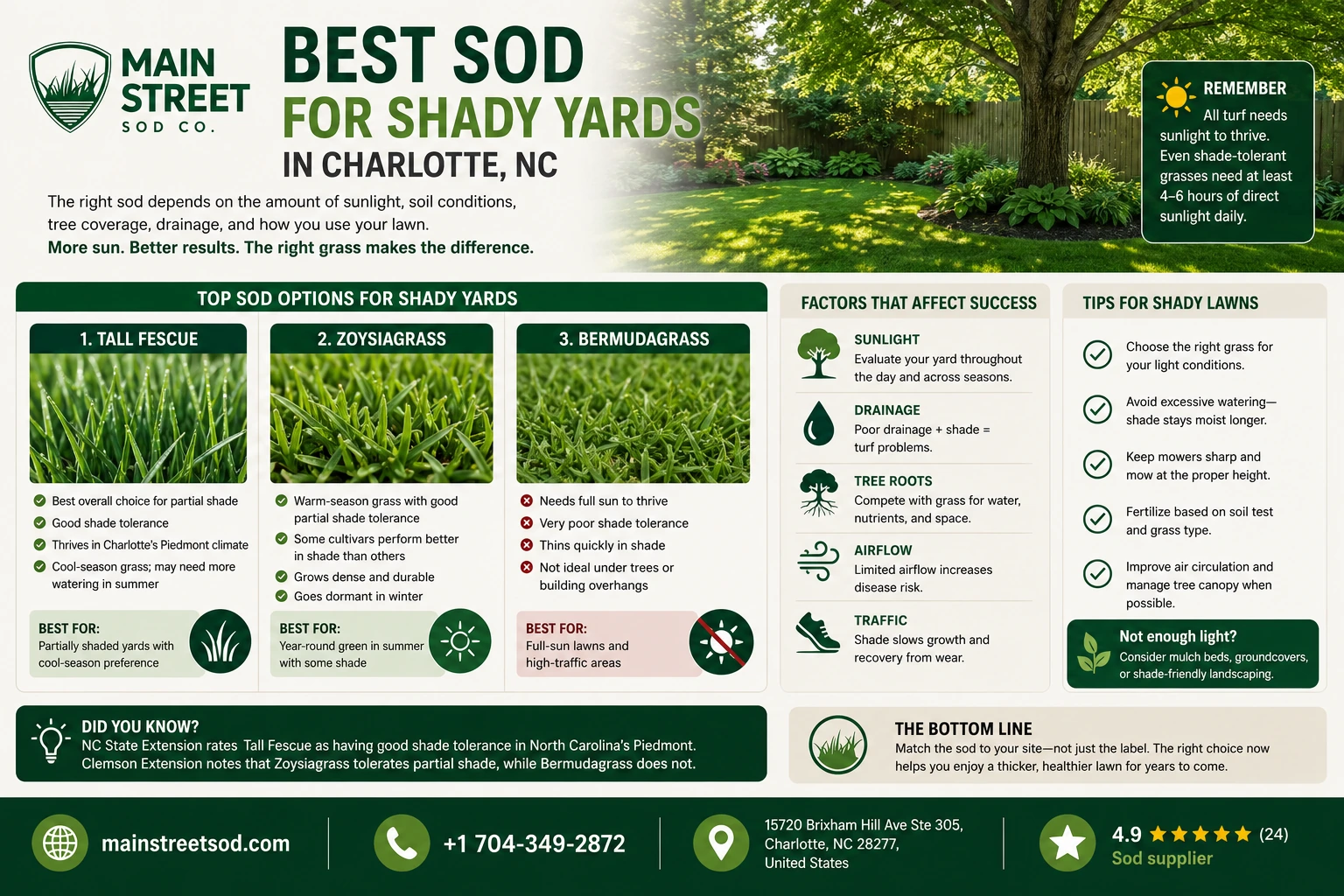
Homeowners considering new sod installation in Charlotte, NC, should choose a grass variety suited to sunlight, drainage, traffic, and maintenance preferences. The best-looking lawn is one that can remain healthy under actual property conditions. Comparing options such as Bermuda grass, fescue, and zoysia can help identify the right fit.
How Long Does Lawn Replacement Take With Sod?
Most residential sod projects take one to several days, depending on lawn size, access, preparation, grading, and irrigation work. The installation itself is often faster than the removal and preparation stages.
Removal and Preparation
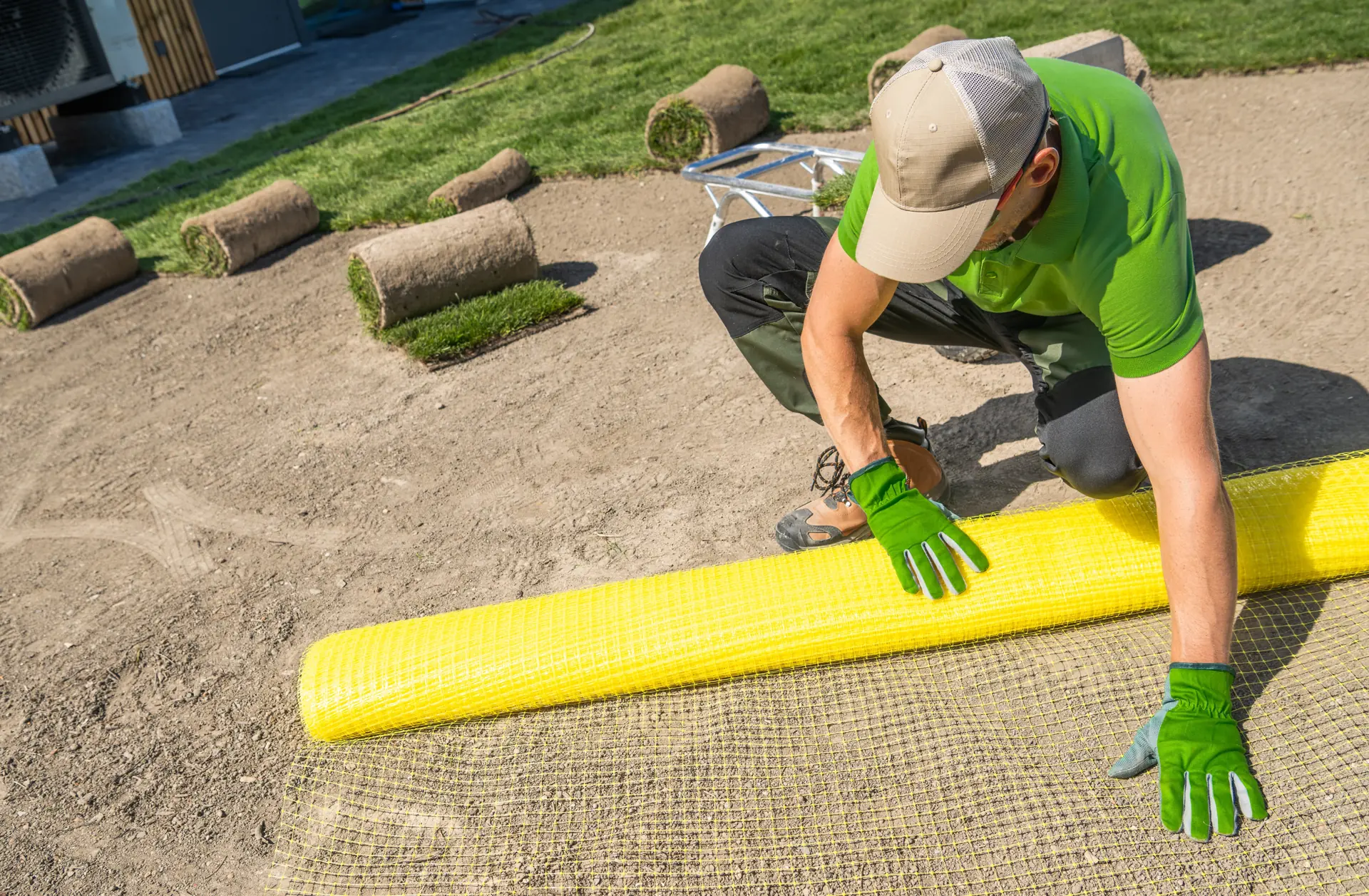
Crews must remove old turf, weeds, roots, rocks, and debris. Soil may need tilling, amendment, grading, and light compaction. Drainage or sprinkler problems can extend the schedule.
Adding quality soil may also be necessary when the existing ground is compacted, depleted, or poorly structured. Topsoil installation can improve the planting surface before the sod is placed.
Installation and Establishment
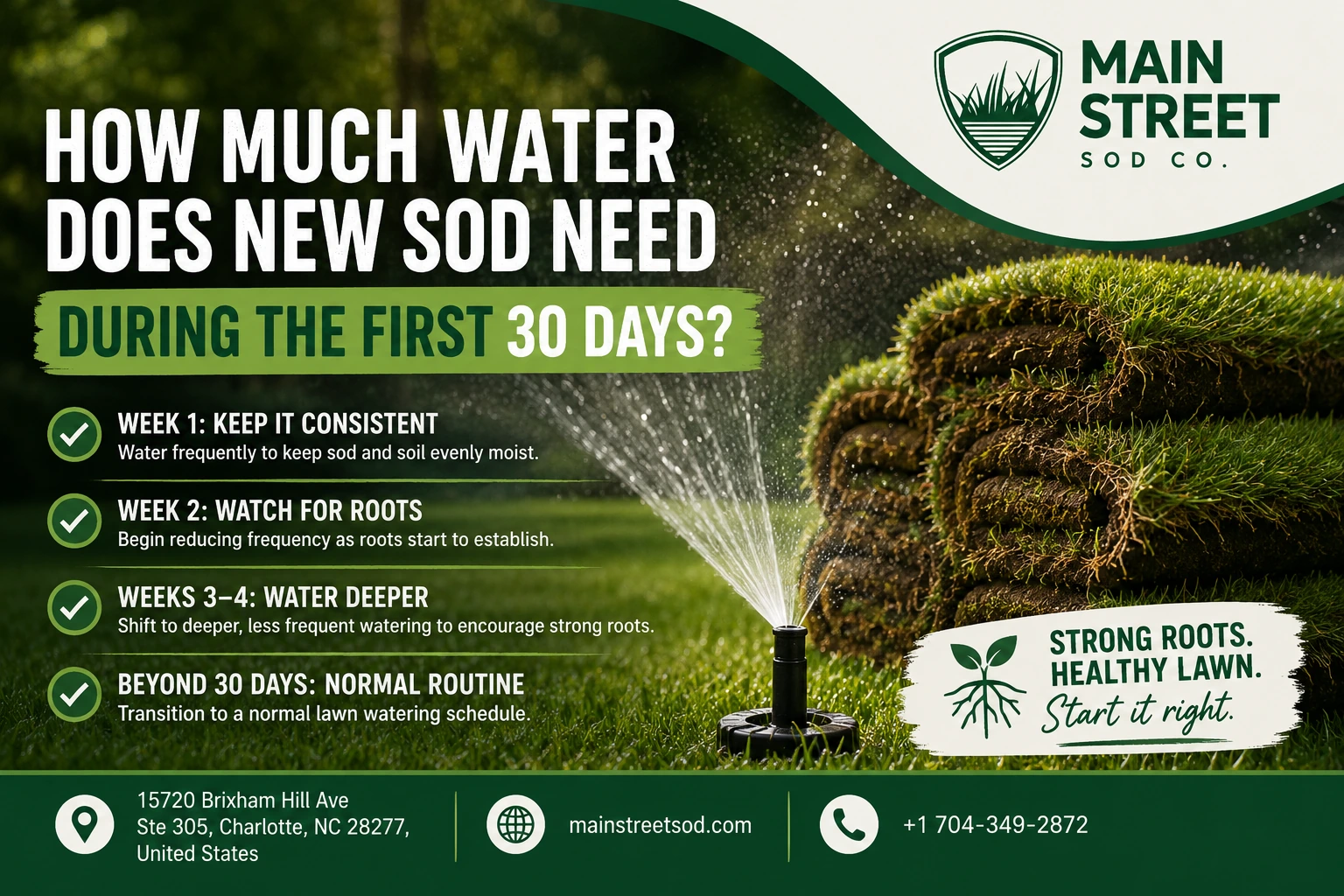
Once preparation is complete, sod is placed, trimmed, rolled, and watered. The lawn looks finished immediately, but it is not ready for normal use.
Root establishment commonly takes several weeks. During that period, traffic should be limited, and watering must follow a consistent schedule. Mowing should wait until the sod has rooted enough that it does not lift.
Rain may delay preparation, while extreme heat can require faster installation and more frequent watering. Following proper sod watering, mowing, and fertilization practices helps protect the lawn during establishment.
Key Takeaways
A lawn may need replacement when dead grass, weeds, bare soil, compaction, drainage trouble, or recurring damage affects a large portion of the yard.
Sod offers faster coverage, better erosion control, and a more predictable appearance than seed, especially when homeowners need quick results. Successful replacement depends on correcting soil, grading, irrigation, and weed problems before installation. Timing should match the grass variety and local conditions.
New sod can improve curb appeal quickly, but long-term performance still requires proper watering, limited early traffic, mowing care, and ongoing maintenance through every season.
Give Your Property a Stronger Start
MainStreet Sod Company helps homeowners determine whether repair or replacement makes the most financial and practical sense. The team evaluates existing turf, soil condition, grading, drainage, sunlight, and irrigation before recommending a plan.
A properly prepared lawn gives new sod the foundation it needs to root evenly and remain healthy. Contact MainStreet Sod Company to discuss your property, preferred timeline, and options for creating a smoother, stronger, and more attractive lawn without repeating temporary repairs.