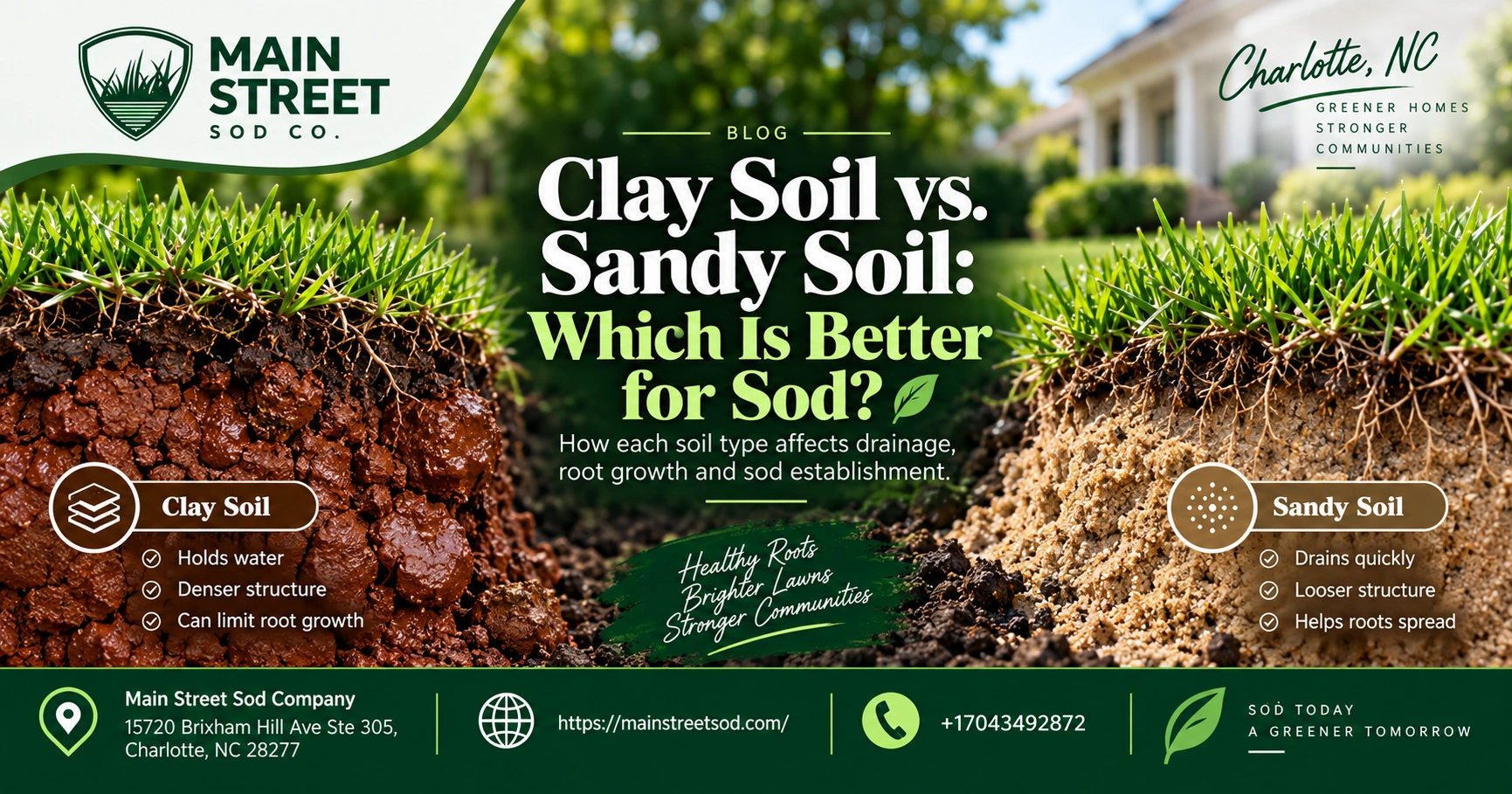
When comparing clay soil vs sandy soil for sod, neither soil type is automatically better in every yard. Clay holds water and nutrients well but can drain slowly and become compacted. Sandy soil drains quickly and is easier for roots to penetrate, but it can dry out faster and may not hold nutrients as effectively.
For sod to establish successfully, the goal is not necessarily to replace your existing soil. It is to create a reasonably loose, level growing surface that drains appropriately, holds enough moisture for new roots, and gives the sod good contact with the soil underneath.
At Main Street Sod, we look at the condition of the soil as part of the overall lawn-preparation process. In some yards, improving the existing soil is enough. In others, adding quality topsoil or completing more thorough sod preparation can help create better conditions before the new lawn goes down.
Is Clay or Sandy Soil Better for Sod?
Both clay and sandy soil can support healthy sod when they are prepared correctly.
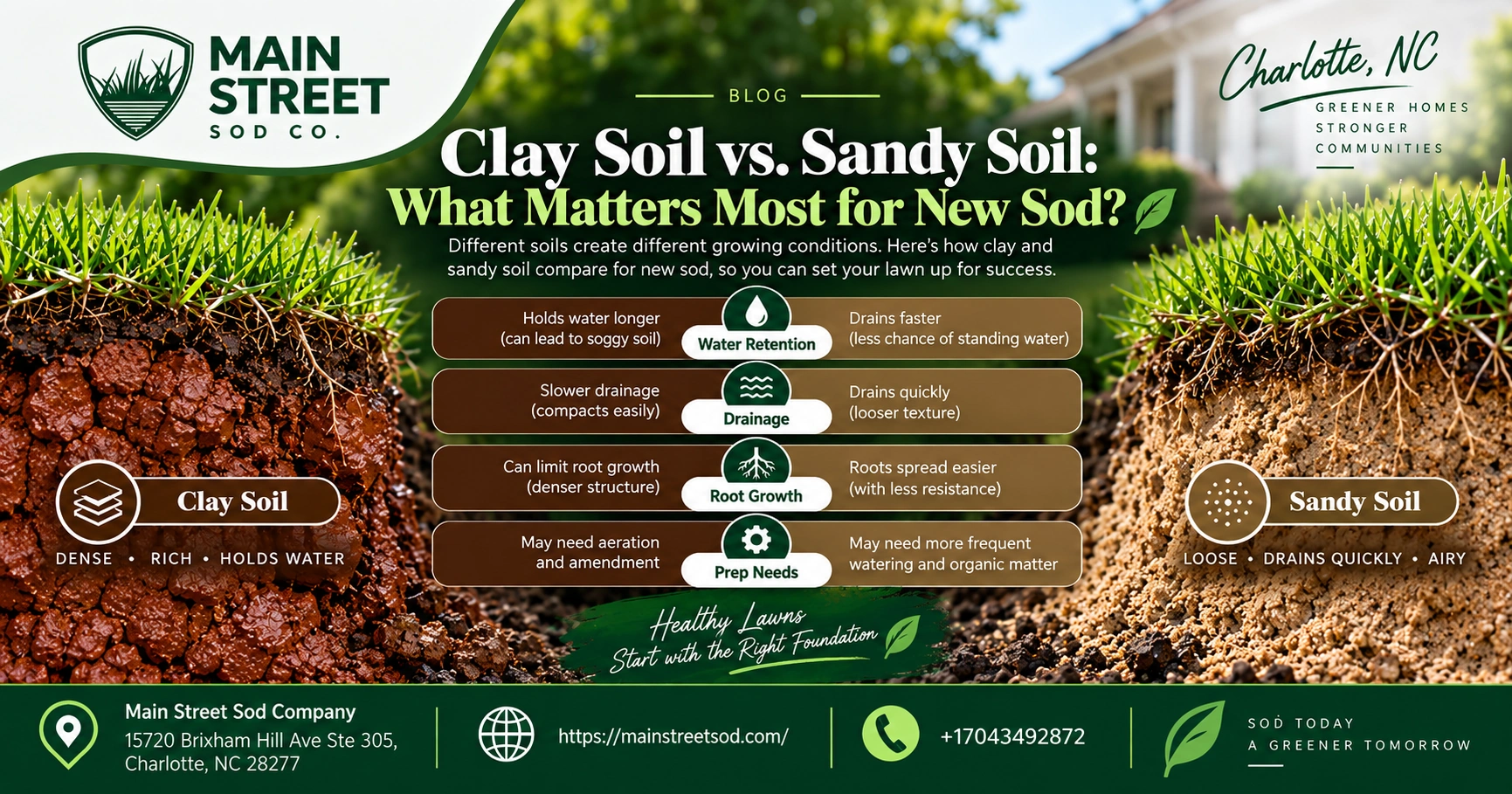
Clay soil has an advantage when it comes to retaining moisture and nutrients. That can help established turf during dry periods, but heavy clay can also stay wet for too long after rain or irrigation. If the soil becomes compacted, new sod roots may have difficulty growing into it.
Sandy soil has almost the opposite characteristics. Water moves through it quickly, and grass roots can often penetrate the soil more easily. However, that faster drainage also means sandy soil may dry out sooner, especially while sod is establishing.
The better soil is therefore the one that provides a good balance of:
- Drainage
- Moisture retention
- Air movement
- Root penetration
- Nutrient availability
- Soil-to-sod contact
In many lawns, the best solution is not choosing between clay and sand. It is improving the soil already in place so it provides more balanced growing conditions.
How Does Clay Soil Affect Sod?
Clay soil contains very fine soil particles that pack closely together. Because the spaces between those particles are small, clay tends to hold water much longer than sandy soil.
That moisture retention can be useful, but it can also create problems if the lawn does not drain properly.
Clay can hold moisture well
New sod needs consistent moisture during establishment. Clay soil can help keep water near the root zone longer, which may reduce how quickly the ground dries between watering cycles.
The problem comes when the soil stays saturated.
New sod still needs oxygen around the developing roots. If water remains trapped near the surface for extended periods, root development can suffer.
Compacted clay can restrict roots
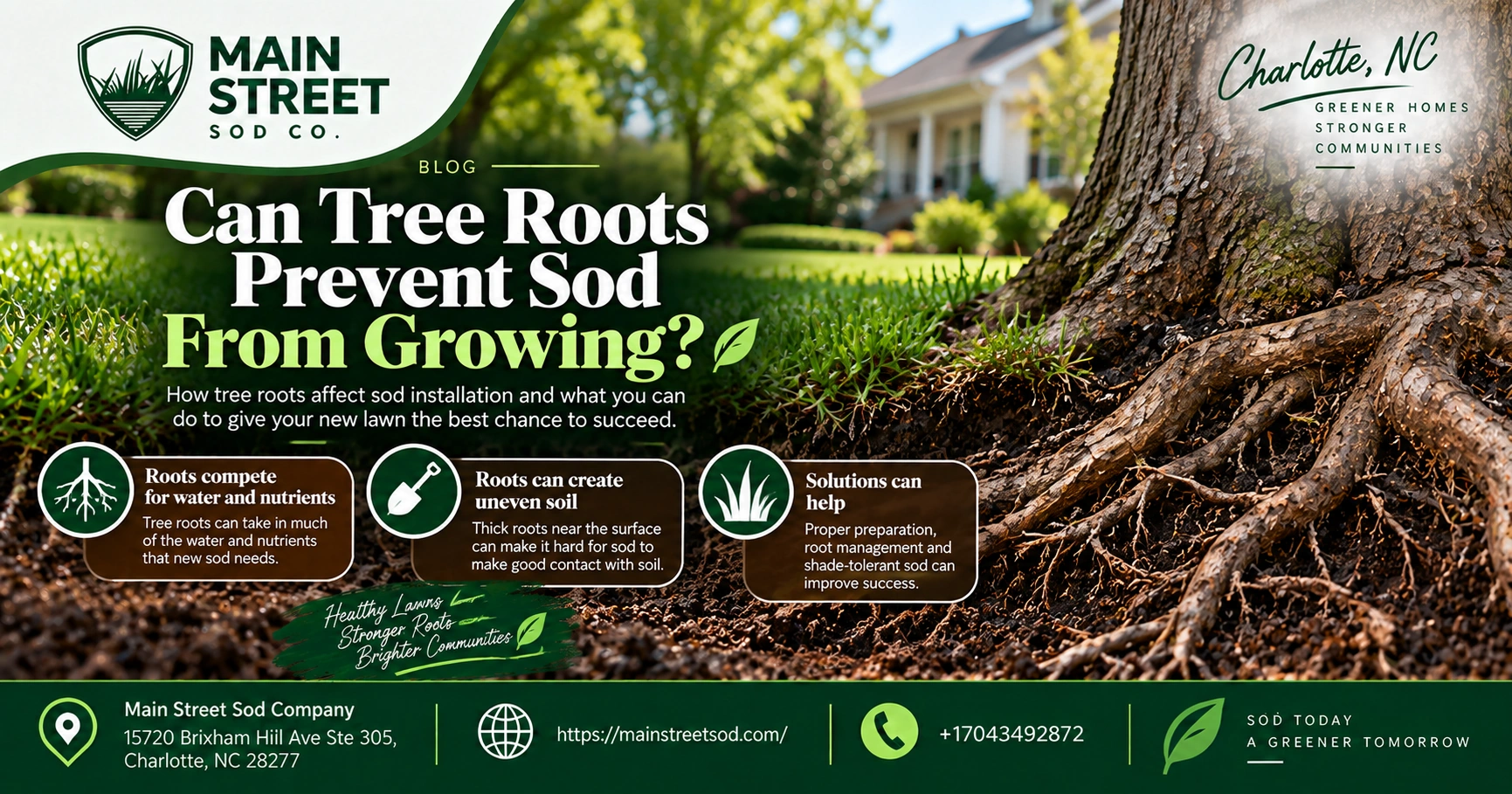
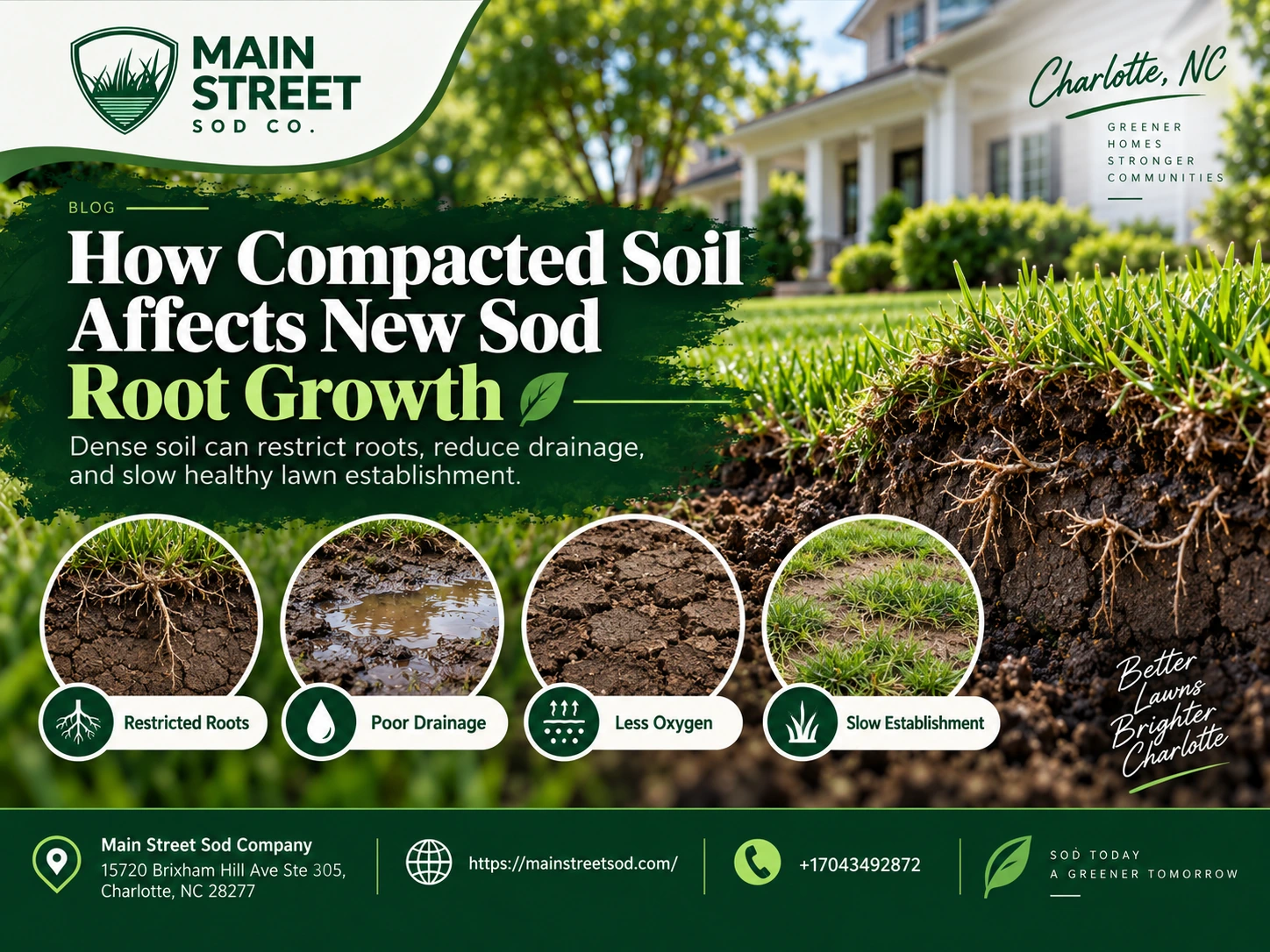
One of the biggest concerns with clay is compaction.
When heavy clay becomes packed down by equipment, foot traffic, construction, or years of use, new sod roots may have trouble moving into the underlying soil. The sod may initially look healthy because the grass is receiving water, but poor root contact can slow establishment.
Before sod installation, compacted areas may need to be loosened and graded rather than simply covered.
Clay can become uneven when wet
Clay can also be more difficult to work with when it is extremely wet. Trying to prepare saturated clay may create clumps, ruts, and compacted areas rather than a smooth planting surface.
Proper preparation matters just as much as the soil type itself.
How Does Sandy Soil Affect Sod?
Sandy soil contains larger particles with more space between them. This allows water and air to move through the soil relatively quickly.
For sod, that creates both benefits and challenges.
Sandy soil usually drains quickly
Good drainage can help prevent water from sitting around new roots for long periods. Sandy soils are also often easier for new roots to penetrate than heavily compacted clay.
That can support strong root development when irrigation and nutrients are managed properly.
Sandy soil can dry out faster
The downside is that sandy soil may not hold moisture for very long.
That is especially important during the first few weeks after sod installation. New sod has a limited root system and relies heavily on moisture near the surface until the roots begin growing into the soil below.
If sandy soil dries quickly between watering cycles, new sod may become stressed before it is fully established.
Nutrients may move through sandy soil more quickly
Because water moves through sandy soil rapidly, some nutrients can also move deeper into the soil profile more easily.
That does not mean grass cannot grow well in sandy soil. It simply means soil condition, watering practices, and fertilization may need closer attention.
How Do Drainage Conditions Compare?
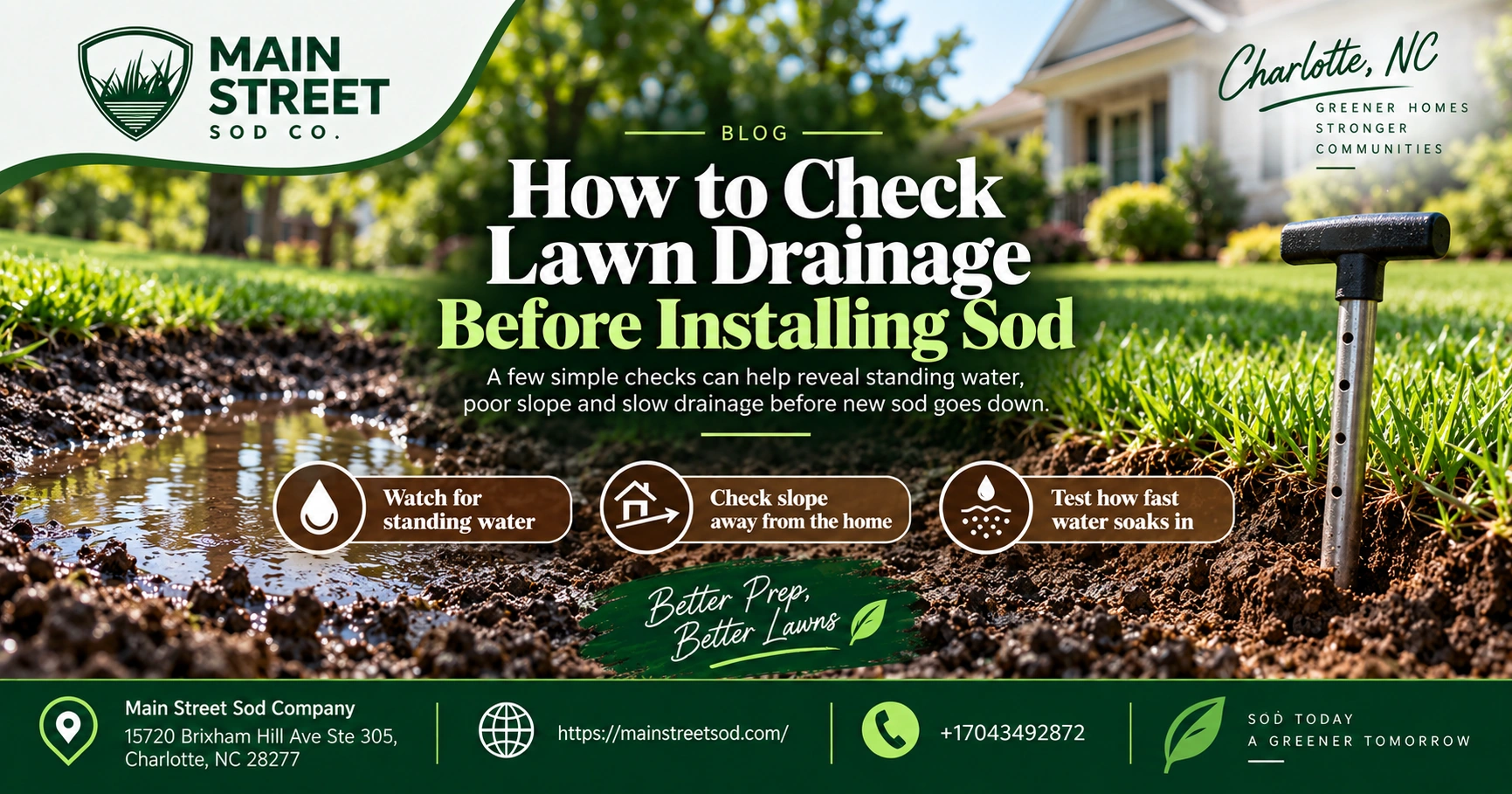
Drainage is one of the clearest differences between clay and sandy soils.
Clay soil generally drains more slowly. Water may remain near the surface longer, particularly in low areas or places where the soil is compacted.
Sandy soil generally drains more quickly. Water moves downward faster, which reduces standing water but can also cause the soil surface to dry sooner.
Neither extreme is ideal for new sod.
A lawn that stays constantly wet can struggle with limited oxygen around the roots. A lawn that dries too quickly can make it difficult to maintain the consistent moisture new sod needs.
Before installing sod, look beyond the soil type itself. Pay attention to what actually happens after rainfall or irrigation.
Questions worth asking include:
- Does water pool in certain parts of the yard?
- Does the surface stay muddy long after rain?
- Does the soil become hard when it dries?
- Does water seem to disappear almost immediately?
- Are there noticeable low areas?
- Is runoff moving toward or away from the lawn?
Drainage problems may need to be corrected during grading and preparation rather than after the sod has already been installed.
What Soil Amendments Can Improve Sod Installation?
Soil amendments can help improve growing conditions, but they should be chosen based on what the existing soil actually needs.
Adding material without understanding the soil can sometimes create new problems instead of solving the original one.
Organic matter
Organic matter can improve the structure of many soils.
In clay soil, properly incorporated organic material can help create better pore space and make the soil easier for roots to penetrate.
In sandy soil, organic matter can improve moisture and nutrient retention.
The amendment should be mixed into the existing soil rather than simply left as a thin, separate layer.
Quality topsoil
Some lawns do not have enough usable topsoil for good sod establishment.
Construction activity, erosion, grading, or previous landscaping work can leave behind poor-quality or heavily compacted soil. In those cases, professional topsoil installation may help create a more suitable growing layer before sod is installed.
Topsoil can also help improve grading and create a more even surface.
However, topsoil should not automatically be used to bury drainage problems. The overall grade and soil conditions still need to be considered.
Avoid trying to completely change your soil type
Homeowners sometimes assume that adding sand to clay will automatically solve drainage problems.
Soil structure is more complicated than simply mixing two materials together. The wrong amendment or ratio may create a dense soil mixture rather than the loose growing medium you wanted.
In most cases, the better approach is to improve soil structure, correct grading problems, and prepare the root zone properly rather than trying to transform clay soil into sandy soil or vice versa.
Professional sod preparation can help determine what work makes sense before installation.
How Do You Match Grass to Your Soil Conditions?
Soil is only one factor in choosing sod.
Different grasses have different tolerances for moisture, drought, shade, traffic, and soil conditions. That means a variety that performs well in one yard may not be the best fit for another.
Before choosing sod, consider:
Sun exposure
Some turfgrasses need strong direct sunlight, while others tolerate partial shade better.
Look at how much sunlight the lawn actually receives throughout the day rather than choosing grass based only on appearance.
Drainage
If parts of the lawn stay wet after storms, selecting grass alone will not necessarily solve the issue. Drainage and grading may need to be addressed first.
Likewise, very fast-draining areas may require more careful irrigation while the sod establishes.
Irrigation
New sod needs dependable moisture during establishment.
A lawn with sandy soil may require closer monitoring because the surface can dry faster. Heavy clay may need watering adjusted so the soil stays moist without remaining saturated.
How the lawn will be used
Foot traffic, pets, children, shade, slope, and maintenance preferences all affect which sod makes the most sense.
The soil should be part of the decision, not the entire decision.
Good Sod Starts With Good Soil Preparation
Sod can provide a finished-looking lawn quickly, but the long-term result depends heavily on what is underneath it.
Laying sod over compacted clay, badly graded soil, construction debris, or excessively loose sand can make establishment more difficult. Proper preparation gives new roots a better chance to move from the sod layer into the existing soil.
That preparation may include:
- Removing weeds and old turf
- Cleaning up rocks and debris
- Correcting uneven areas
- Loosening compacted soil
- Adding suitable soil amendments
- Adding topsoil when appropriate
- Creating consistent soil-to-sod contact
- Checking drainage before installation
For homeowners throughout our service areas, Main Street Sod can help evaluate the condition of the lawn before installation and determine whether additional preparation or topsoil would improve the growing environment.
The goal is not to create “perfect” soil. It is to give the sod the drainage, moisture, root space, and soil contact it needs to establish successfully.
FAQs
Can sod grow on clay soil?
Yes. Sod can establish on clay soil, particularly when the soil is properly loosened, graded, and prepared beforehand. Compacted clay and poor drainage are usually bigger concerns than clay itself.
Can sod grow on sandy soil?
Yes. Sandy soil can provide good drainage and root penetration for sod. However, it can dry more quickly than heavier soil, so maintaining consistent moisture during establishment is especially important.
Should I add topsoil before laying sod?
Not every yard needs additional topsoil. Topsoil may be helpful when the existing soil is thin, heavily compacted, uneven, low quality, or unsuitable for creating a good root zone. The condition and grade of the existing yard should determine whether additional soil is needed.
Does clay soil need sand before sod installation?
Not necessarily. Simply adding sand to clay is not a universal solution and may not create the soil structure you expect. Improving the existing soil with appropriate amendments and proper preparation is generally more useful than trying to completely change the soil type.
How much soil preparation does sod need?
At minimum, the installation area should be cleared, graded, loosened where necessary, and prepared so the sod can make consistent contact with the soil. More extensive preparation may be needed if the yard has compaction, poor drainage, debris, or inadequate topsoil.
Which soil is easiest for new sod roots to grow into?
Loose, well-structured soil that balances drainage and moisture retention is usually more important than whether the soil is classified as clay or sand. Heavily compacted soil of any type can interfere with root establishment.
Prepare the Ground Before You Install the Lawn
Clay soil and sandy soil can both support a healthy lawn. The important difference is how each soil manages water, nutrients, and developing roots.
If your yard has heavy clay, extremely sandy soil, poor grading, or an inadequate growing layer, addressing those conditions before installation can make sod establishment much easier.
Main Street Sod can help with topsoil installation and sod preparation so the lawn has a suitable foundation before new sod is laid. If you are unsure what your yard needs, evaluating the existing soil and drainage is a good place to start.