The best sod for full-sun yards in Charlotte is often Bermuda or Zoysia grass, but the right choice depends on how the lawn will be used and maintained. Bermuda typically excels in open, sunny areas with heavy foot traffic, while Zoysia offers dense coverage, attractive texture, and generally less frequent mowing. Both are warm-season grasses that perform well during North Carolina’s hot summers when properly established.
Charlotte homeowners should look beyond appearance when selecting sod. Sun exposure, watering requirements, mowing preferences, soil drainage, and everyday activities all influence long-term results. A backyard used for children’s games may need different turf than a decorative front lawn. Understanding how Bermuda and Zoysia compare can help homeowners choose grass that fits their property rather than relying on a single recommendation.
What Is the Best Sod for Full-Sun Yards in Charlotte?
Bermuda and Zoysia are two of the strongest warm-season sod options for sunny lawns in Charlotte, NC.
Both tolerate summer heat, form dense turf under suitable conditions, and naturally enter winter dormancy as temperatures decline.
However, they have different strengths.
Bermuda grass is generally better suited to lawns with frequent activity and heavy traffic. Its aggressive spreading growth allows it to recover relatively quickly from damage during the active growing season.
Zoysia grass may be a better fit for homeowners who prioritize dense turf, a refined appearance, and less frequent mowing. It tolerates normal residential activity but usually recovers more slowly from significant wear.
Neither option is universally superior.
Before choosing, homeowners should evaluate:
- How many hours of direct sunlight the lawn receives.
- Whether children or pets use the yard regularly.
- How frequently the homeowner is willing to mow.
- Whether irrigation is available during dry periods.
- How well the property’s soil drains.
- Whether the yard contains trees or shaded sections.
- How much winter browning the homeowner is comfortable seeing.
The best sod for full-sun yards in Charlotte should match the property’s conditions and the homeowner’s expectations throughout the year.
What Counts as Full Sun for a Lawn?
The phrase full sun sounds straightforward, but the actual amount of sunlight reaching a lawn can vary throughout the day.
In general, a full-sun lawn receives at least six hours of direct sunlight daily during the growing season. Bermuda often performs best with approximately six to eight hours or more, while some Zoysia varieties can tolerate somewhat less direct sunlight.
However, sunlight requirements depend on the grass cultivar, surrounding environment, and intensity of exposure.
Morning Sun Versus Afternoon Sun
A yard receiving six hours of morning sunlight does not experience exactly the same conditions as one receiving six hours during the hottest part of the afternoon.
Afternoon sunlight generally comes with higher temperatures and greater evaporative demand.
This can increase moisture stress, particularly during Charlotte’s summer heat waves.
Morning sunlight may be less stressful, but homeowners still need to ensure the grass receives sufficient total light.
Trees Can Change Sun Exposure
A lawn might appear sunny in early spring before nearby trees develop their full canopy.
By summer, the same yard could receive several hours of shade.
Mature oaks, maples, and other trees common throughout Charlotte neighborhoods can significantly influence sunlight availability.
Homeowners should evaluate growing-season conditions rather than judging the yard during one afternoon.
Buildings and Fences Also Matter
Homes, garages, privacy fences, and neighboring structures can cast long shadows.
These shaded sections may not support the same grass variety as the open portions of the yard.
When sunlight differs substantially across a property, one turfgrass may not be ideal everywhere.
Which Warm-Season Grasses Perform Well in Strong Sun?
Charlotte’s location in North Carolina’s Piedmont region creates growing conditions suitable for several warm-season turfgrasses.
Bermuda and Zoysia are especially relevant for homeowners comparing sunny-yard options.
Both use the warm-season C4 photosynthetic pathway, allowing them to grow efficiently under warm, bright conditions.
Their strongest growth generally occurs during late spring and summer.
Bermuda Grass
Bermuda spreads through stolons and rhizomes, allowing it to form dense turf and recover relatively quickly from wear.
It thrives in full sunlight and generally tolerates heat, drought, and frequent activity.
However, its aggressive growth also means more frequent mowing and greater attention to edging.
Zoysia Grass
Zoysia also spreads through stolons and rhizomes, although its growth is usually slower.
It creates dense turf and performs well in full sun.
Certain cultivars can tolerate partial shade better than Bermuda.
Its slower growth may reduce mowing frequency but also makes damage recovery slower.
What About Other Warm-Season Grasses?
Centipede and St. Augustine grass are additional warm-season options used in parts of the Carolinas.
However, soil requirements, winter survival, maintenance preferences, and cultivar suitability affect their performance in Charlotte.
For homeowners specifically comparing resilient, sun-loving turf, Bermuda and Zoysia are often practical starting points.
The decision should still reflect actual site conditions rather than assuming every warm-season grass behaves the same way.
How Bermuda Grass Performs in Full Sun
Bermuda grass is a popular option for sunny residential lawns, athletic fields, and other areas where durability matters.
Its strong summer growth and ability to recover from traffic make it particularly useful for active properties.
Strong Sunlight Encourages Dense Growth
Bermuda performs best when it receives abundant direct sunlight.
Under suitable conditions, it develops a dense lawn that can tolerate regular use.
Limited sunlight can cause thinning and weaker growth.
This is why Bermuda is generally not recommended for heavily shaded Charlotte yards.
Bermuda Handles Summer Heat Well
Charlotte summers frequently bring hot temperatures and periods of high humidity.
Bermuda is adapted to warm growing conditions and typically performs strongly during summer when moisture, nutrients, and soil conditions are appropriate.
Established Bermuda is also relatively drought-tolerant.
However, drought tolerance does not mean newly installed sod can survive without irrigation.
Fresh Bermuda sod needs appropriate moisture while roots grow into the underlying soil.
Traffic Recovery Is a Major Advantage
Bermuda’s aggressive spreading habit allows it to fill many small damaged areas during active growth.
For families with children who enjoy running across the yard, this recovery potential can be valuable.
The same applies to properties with frequent outdoor gatherings.
Heavy traffic can still damage Bermuda, particularly when the ground is saturated or the grass is dormant.
Mowing Requires Attention
Bermuda generally performs best when maintained relatively short.
During peak summer growth, some lawns may require mowing more than once per week.
Exact mowing requirements depend on the cultivar, desired height, fertility, and growing conditions.
Homeowners considering Bermuda should be comfortable with more frequent maintenance during the growing season.
Main Street Sod Company offers several Bermuda grass options for residential and commercial landscapes.
How Zoysia Grass Performs in Full Sun
Zoysia is often selected for its dense, carpet-like appearance and relatively slow growth.
For homeowners who want a polished lawn without the aggressive spreading behavior of Bermuda, Zoysia may be appealing.
Dense Turf Creates a Distinctive Appearance
Zoysia produces tightly packed grass that can create a uniform surface.
Depending on the cultivar, its texture may range from relatively fine to broader and coarser.
This variety allows homeowners to compare different appearances and maintenance characteristics.
Some people describe established Zoysia as feeling like a cushion beneath their feet.
Full Sun Supports Healthy Growth
Zoysia performs well in sunny locations.
Certain varieties also tolerate light or moderate shade, although dense shade remains problematic.
For properties with mostly open sunlight and a few shaded areas, an appropriately selected Zoysia cultivar may offer more flexibility than Bermuda.
Slower Growth Means Slower Recovery
One of Zoysia’s defining characteristics is its relatively slow growth.
This can reduce mowing frequency.
However, the same characteristic means worn areas may take longer to recover.
A lawn exposed to repeated digging, concentrated pet traffic, or frequent sports activity may experience damage that persists longer than it would in healthy, actively growing Bermuda.
Established Zoysia Tolerates Drought
Zoysia has good drought tolerance once established.
During dry conditions, it may slow its growth or temporarily lose some color.
However, homeowners seeking a consistently green appearance may still need supplemental irrigation during extended drought.
Newly installed Zoysia requires careful moisture management until its roots establish.
Winter Color Changes Are Normal
Zoysia typically enters dormancy as temperatures decline.
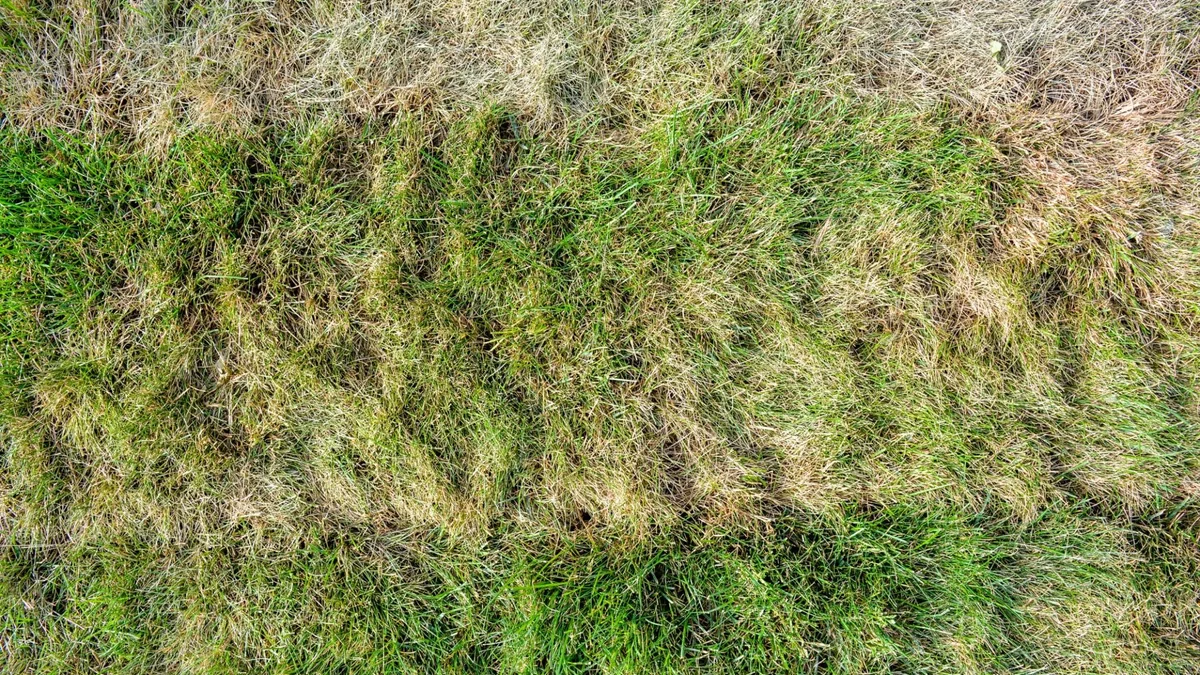
Its blades may become tan or brown before returning to green during warmer weather.
This is an ordinary seasonal characteristic rather than an automatic sign of lawn failure.
Homeowners can explore Main Street Sod Company’s Zoysia grass varieties to compare available options.
Bermuda vs. Zoysia for Sunny Yards
Although both grass types perform well in full sun, their differences become more apparent when maintenance and everyday use are considered.
The following comparison highlights the characteristics most relevant to Charlotte homeowners.
| Feature | Bermuda grass | Zoysia grass |
| Sunlight needs | Full sun; poor shade tolerance | Full sun; some cultivars tolerate partial shade |
| Summer heat tolerance | Excellent when established | Very good when established |
| Drought tolerance | High | High |
| Heavy traffic tolerance | Excellent | Good to very good |
| Recovery from damage | Generally fast during active growth | Generally slower |
| Mowing frequency | Usually more frequent | Usually less frequent |
| Spreading behavior | Aggressive | Slower and easier to contain |
| Lawn texture | Varies from coarse to fine | Varies from medium to fine |
| Winter dormancy | Turns tan or brown | Turns tan or brown |
| Best general fit | Active, heavily used lawns | Dense, attractive residential lawns |
Which Grass Wins for Appearance?
Appearance is subjective.
Some homeowners prefer Bermuda’s fine texture and actively growing surface.
Others appreciate the dense, carpet-like appearance of Zoysia.
Both can create attractive lawns when properly maintained.
Which Grass Wins for Durability?
For frequent foot traffic and rapid recovery, Bermuda generally has the advantage.
Zoysia can handle ordinary residential use but may recover more slowly after substantial damage.
Which Grass Wins for Convenience?
Zoysia often requires less frequent mowing.
However, it still needs appropriate fertilization, irrigation, disease monitoring, and seasonal maintenance.
Bermuda may require more mowing and edging because of its faster growth.
The best sod for full-sun yards in Charlotte depends on which characteristics matter most to the homeowner.
How Water Needs Compare
Water requirements are an important consideration, especially during Charlotte’s hot summer months.
Both Bermuda and Zoysia tolerate dry conditions relatively well once established.
However, drought survival and maintaining an attractive green lawn are not the same thing.
Bermuda Water Requirements
Established Bermuda can tolerate periods of limited rainfall.
Its spreading growth habit and root system help it survive suitable dry conditions.
However, prolonged drought can cause discoloration, thinning, or dormancy.
Homeowners who want consistently green turf may need supplemental irrigation during extended dry periods.
Zoysia Water Requirements
Established Zoysia also has strong drought tolerance.
Its dense growth can help shade the soil surface and limit some moisture loss.
However, actual irrigation requirements depend on cultivar, soil conditions, weather, and maintenance goals.
It would be misleading to claim that every Zoysia lawn always uses less water than every Bermuda lawn.
Newly Installed Sod Needs More Attention
Fresh sod has different moisture requirements from established turf.
Its roots must grow into the soil beneath the sod layer.
During this period, maintaining appropriate root-zone moisture is essential.
Hot, windy weather can increase drying.
Clay-rich soil may retain water longer but can also become saturated when irrigation is excessive.
Avoid a One-Size-Fits-All Schedule
Watering should respond to actual conditions.
Homeowners should consider:
- Recent rainfall.
- Soil moisture.
- Grass variety.
- Root establishment.
- Drainage.
- Wind and temperature.
- Sun exposure.
The goal is to keep the lawn healthy without allowing unnecessary runoff or persistent waterlogging.
Which Option Requires More Maintenance?
Maintenance involves more than watering.
Mowing, edging, fertilization, weed control, and managing worn areas all contribute to the amount of time a homeowner spends caring for the lawn.
Bermuda Often Requires More Frequent Mowing
Bermuda grows rapidly during favorable summer conditions.
A lawn maintained at a low height may require frequent mowing to avoid removing too much leaf tissue at once.
Regular edging may also be necessary because Bermuda can spread into landscape beds.
For homeowners who enjoy lawn maintenance, this may not be a major concern.
Others may prefer a slower-growing option.
Zoysia Generally Needs Less Frequent Mowing
Zoysia’s slower vertical growth often reduces mowing frequency.
However, its dense, sometimes stiff leaves require sharp mower blades.
Poor mowing practices can tear leaves and reduce appearance quality.
Less frequent mowing does not mean Zoysia is maintenance-free.
Fertilization Needs Differ
Bermuda typically responds strongly to nitrogen during active growth.
Its maintenance program may involve greater nutrient inputs than some Zoysia programs.
However, fertilizer should never be applied simply according to a generic schedule.
Soil testing and grass-specific recommendations help prevent excessive or unnecessary applications.
Weed Control Still Matters
Healthy, dense turf can help suppress some weeds by limiting available space and sunlight.
However, neither Bermuda nor Zoysia is completely weed-proof.
Proper mowing, appropriate fertility, and monitoring for problems remain necessary.
Disease and Pest Concerns Vary
Different grasses have different susceptibilities to turf diseases and pests.
Zoysia may experience large patch disease under favorable conditions.
Bermuda can develop other disease or insect problems depending on weather and management.
Good maintenance reduces some risks but cannot eliminate them.
For homeowners comparing the best sod for full-sun yards in Charlotte, maintenance preferences are just as important as appearance.
How Yard Use Should Affect Your Sod Choice
A lawn should support the activities taking place on the property.
The same grass may not be ideal for every household.
Before choosing Bermuda or Zoysia, homeowners should consider how the yard will be used throughout the year.
For Families With Active Children
A backyard used for games, running, and frequent activity needs turf that tolerates wear.
Bermuda is often a strong candidate because of its traffic tolerance and ability to recover quickly during active growth.
However, shaded play areas may limit its performance.
Zoysia can also tolerate normal activity but may take longer to recover from concentrated wear.
For Homes With Dogs
Pets create unique lawn challenges.
Running along fence lines, repeated digging, and concentrated traffic can wear down turf.
Bermuda’s rapid summer recovery can be helpful in sunny yards.
However, no grass is immune to pet damage.
Zoysia’s dense turf can tolerate moderate activity, but repeated damage may recover slowly.
Regardless of the grass selected, homeowners should manage pet traffic and address bare areas before erosion becomes severe.
For Decorative Front Lawns
A front yard primarily used for appearance may have different priorities.
Homeowners may prefer consistent texture, dense coverage, and a tidy look.
Zoysia can be appealing for these applications because of its relatively slower growth and dense turf.
Bermuda can also provide an attractive appearance when properly maintained.
For Outdoor Entertaining
Patios, grilling areas, and backyard gathering spaces often create concentrated walking paths.
Bermuda may be advantageous where frequent traffic is expected.
However, permanent walkways or stepping stones may be useful in areas where repeated traffic would damage any turfgrass.
For Homeowners With Limited Maintenance Time
Someone who prefers spending weekends enjoying the yard rather than mowing it may find Zoysia attractive.
Its slower growth can reduce mowing frequency.
Still, irrigation, fertilization, and seasonal care remain necessary.
For Homeowners Who Want Fast Recovery
If the lawn regularly experiences wear, Bermuda generally offers stronger recovery potential.
Its aggressive growth allows it to repair many minor damaged areas during the growing season.
Zoysia may require more patience after similar damage.
The best sod for full-sun yards in Charlotte should ultimately reflect how the property functions, not just how it looks immediately after installation.
What Other Site Conditions Should You Consider?
Sunlight is important, but it is not the only factor affecting turf performance.
Charlotte properties differ in soil texture, slope, drainage, construction history, and surrounding vegetation.
These conditions should be evaluated before choosing a grass type.
Soil Drainage
Both Bermuda and Zoysia need suitable drainage.
Persistently saturated soil restricts oxygen around roots and may contribute to lawn decline.
Charlotte’s clay-rich soils can sometimes retain water for extended periods.
Homeowners should identify recurring puddles or muddy areas before selecting turf.
Soil Compaction
Construction activity, heavy equipment, and repeated foot traffic can compact soil.
Compaction may limit root development and reduce water infiltration.
Even drought-tolerant grass can struggle when roots cannot grow effectively.
Lawn Slope
Sloped yards may experience runoff and uneven moisture distribution.
A sunny slope can dry more quickly than a level area.
Irrigation planning should account for these differences.
Nearby Trees
Trees influence more than sunlight.
Their roots compete with grass for moisture and nutrients.
Even a lawn receiving several hours of direct sun may struggle beneath a mature tree with extensive surface roots.
Turf Variety
Not every Bermuda or Zoysia cultivar performs identically.
Leaf texture, cold tolerance, growth rate, mowing preferences, and shade tolerance vary.
Charlotte homeowners should compare specific available varieties instead of relying only on the broad grass category.
Winter Appearance
Both Bermuda and Zoysia are warm-season grasses.
They typically turn brown or tan as winter dormancy develops.
Homeowners expecting a bright green lawn throughout winter should understand this seasonal characteristic before making a decision.
Long-Term Maintenance Goals
A lawn that looks beautiful during its first month may become difficult to maintain if the grass does not match the property’s conditions.
Choosing the right turf requires considering summer heat, winter dormancy, irrigation, traffic, and maintenance together.
Sod Selection Help in Charlotte
Charlotte homeowners have different expectations for their lawns.
Some want turf that can handle children playing outside every afternoon.
Others prioritize a smooth, attractive front lawn with less frequent mowing.
Properties in Ballantyne, Myers Park, Matthews, Huntersville, Mint Hill, and surrounding communities can also have very different growing conditions.
An open yard receiving strong afternoon sunlight may be suitable for Bermuda.
A sunny property with some partial shade and relatively light traffic may be better suited to an appropriate Zoysia variety.
However, drainage, soil quality, and maintenance expectations can change the recommendation.
At Main Street Sod Company, we help homeowners compare turf varieties based on their property’s conditions and intended use.
Our team supplies premium sod and provides professional installation services for residential and commercial properties.
We understand that the right grass choice involves more than selecting the greenest sample.
A successful lawn needs to perform under real conditions, including Charlotte’s summer heat, seasonal rainfall, and winter dormancy.
Homeowners considering the best sod for full-sun yards in Charlotte can discuss their property’s sunlight exposure, watering options, and maintenance preferences with our team.
We serve Charlotte and surrounding communities throughout North Carolina and South Carolina.
Additional locations are available on our service areas page.
Selecting appropriate turf from the beginning can help reduce avoidable maintenance problems and create a lawn better suited to everyday life.
FAQs About Full-Sun Sod
What is the best sod for a yard that gets sun all day?
Bermuda and Zoysia are both strong options for full-sun yards. Bermuda is often better for heavy traffic and rapid recovery, while Zoysia offers dense coverage and generally less frequent mowing. The best choice depends on the property’s conditions and intended use.
Is Bermuda or Zoysia better for Charlotte’s summer heat?
Both grasses tolerate Charlotte’s summer heat well when established. Bermuda grows aggressively during hot weather, while Zoysia also performs strongly in sunny conditions. Soil drainage, irrigation, and maintenance influence how successfully either grass performs.
Which grass needs less mowing, Bermuda or Zoysia?
Zoysia generally requires less frequent mowing because it grows more slowly. Bermuda often needs more frequent mowing during peak summer growth, especially when maintained at a lower height.
Which sod is better for dogs and children?
Bermuda is often the stronger choice for sunny yards with heavy traffic because it tolerates wear and recovers relatively quickly. Zoysia can handle moderate activity but generally recovers more slowly from repeated damage.
Does Zoysia need less water than Bermuda?
Both grasses are drought-tolerant once established. Actual irrigation needs vary by cultivar, soil, weather, and desired lawn appearance. Neither grass should be assumed to require a fixed amount of water under every condition.
Will Bermuda and Zoysia stay green during winter?
Generally, no. Both are warm-season grasses that enter dormancy as temperatures decline. They commonly turn tan or brown during Charlotte’s colder months and resume active green growth when favorable spring conditions return.
Turn That Sunny Charlotte Yard Into a Lawn That Fits Real Life
A yard filled with sunlight creates excellent opportunities for warm-season turf, but choosing the right grass requires more than selecting the most attractive option.
Bermuda and Zoysia both offer important advantages.
Bermuda provides strong traffic tolerance, rapid summer growth, and excellent recovery potential.
Zoysia offers dense coverage, attractive texture, and a slower growth habit that can reduce mowing frequency.
Neither grass is automatically the best choice for every property.
At Main Street Sod Company, we help homeowners throughout Charlotte and surrounding communities find turf that matches their sunlight exposure, soil conditions, maintenance preferences, and everyday lawn activities.
Whether a family needs a backyard suited to active children and pets or a homeowner wants an attractive front lawn with manageable upkeep, our team can help compare the available options.
We provide premium sod, professional installation, and guidance on selecting varieties suited to the local growing environment.
Understanding the differences between Bermuda and Zoysia before installation can help homeowners make informed decisions and establish realistic expectations for long-term lawn care.
Ready to find the best sod for full-sun yards in Charlotte? Contact Main Street Sod Company at (704) 349-2872 to request a free estimate and discuss which turf variety may be the right fit for the property.