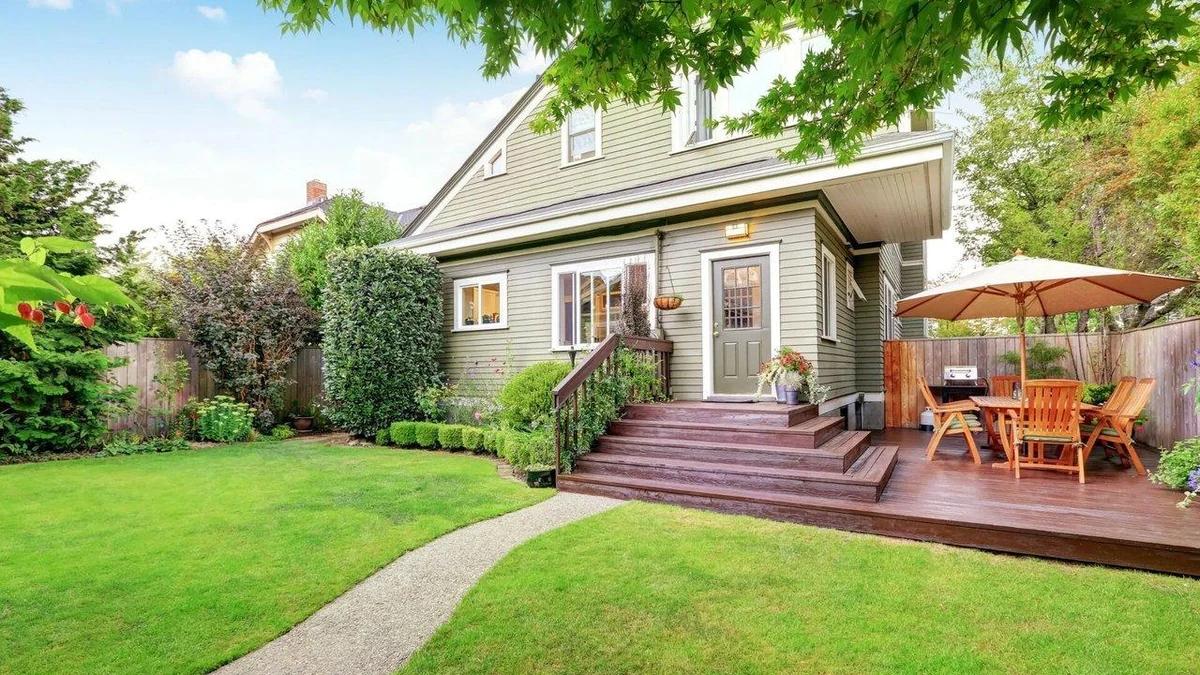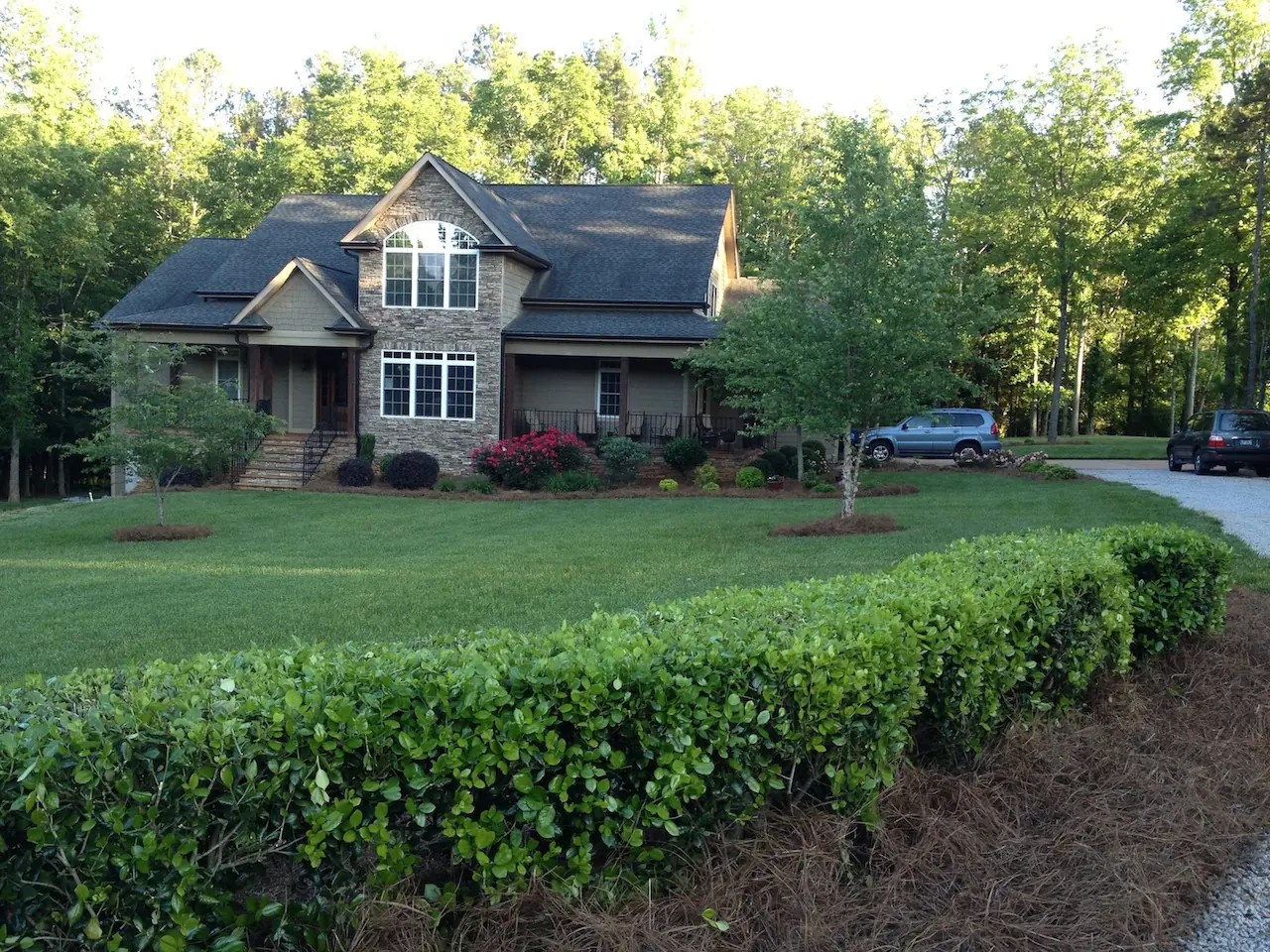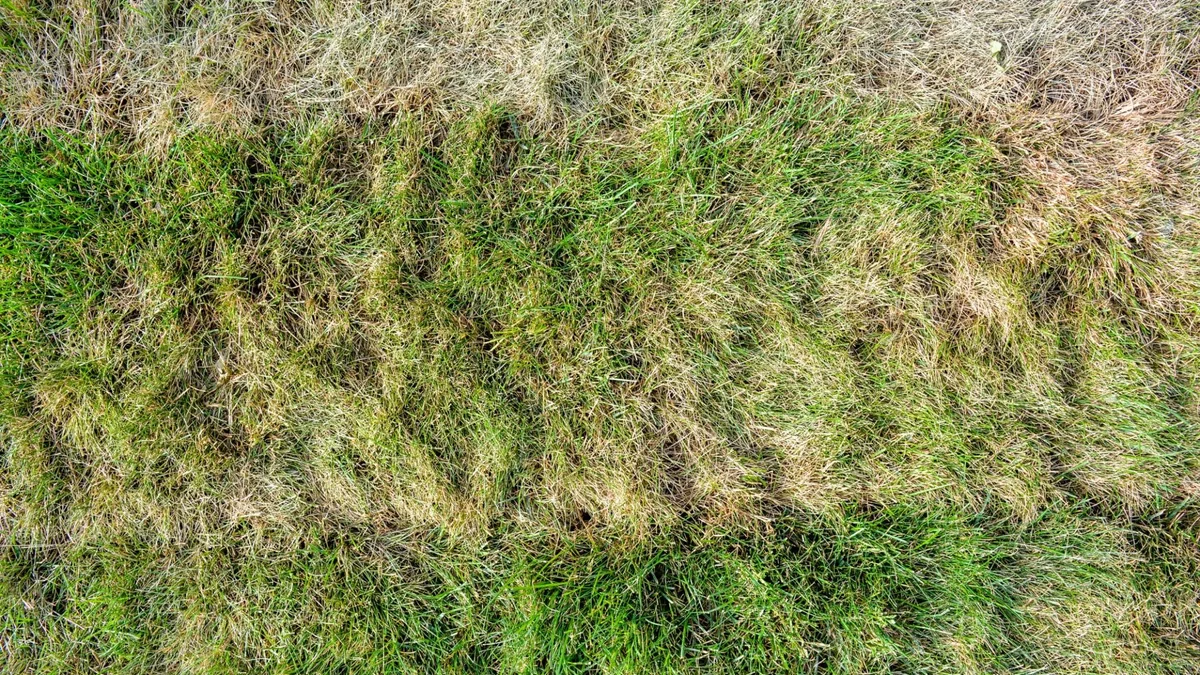
A beautiful green lawn can look completely different when winter arrives, but brown grass does not always mean something has gone wrong. Warm-season sod winter dormancy is a natural process that occurs when grasses such as Bermuda and Zoysia slow their growth in response to colder temperatures and shorter days. Although the grass may turn tan or brown, its roots and growing points can remain alive beneath the surface until warmer weather returns.
For Charlotte homeowners, understanding winter dormancy can prevent unnecessary worry, excessive watering, and poorly timed fertilizer applications. Instead of trying to force dormant grass to stay green, the better approach is to protect the lawn from unnecessary stress, monitor moisture conditions, and allow natural seasonal growth patterns to take their course.
What Happens to Warm-Season Sod in Winter?
During winter, warm-season sod typically slows or stops active growth, loses much of its green color, and enters a period of dormancy.
This seasonal response is common among Bermuda, Zoysia, and other warm-season turfgrasses grown throughout Charlotte and surrounding communities.
As temperatures decline and daylight hours shorten, these grasses reduce their metabolic activity and conserve energy.
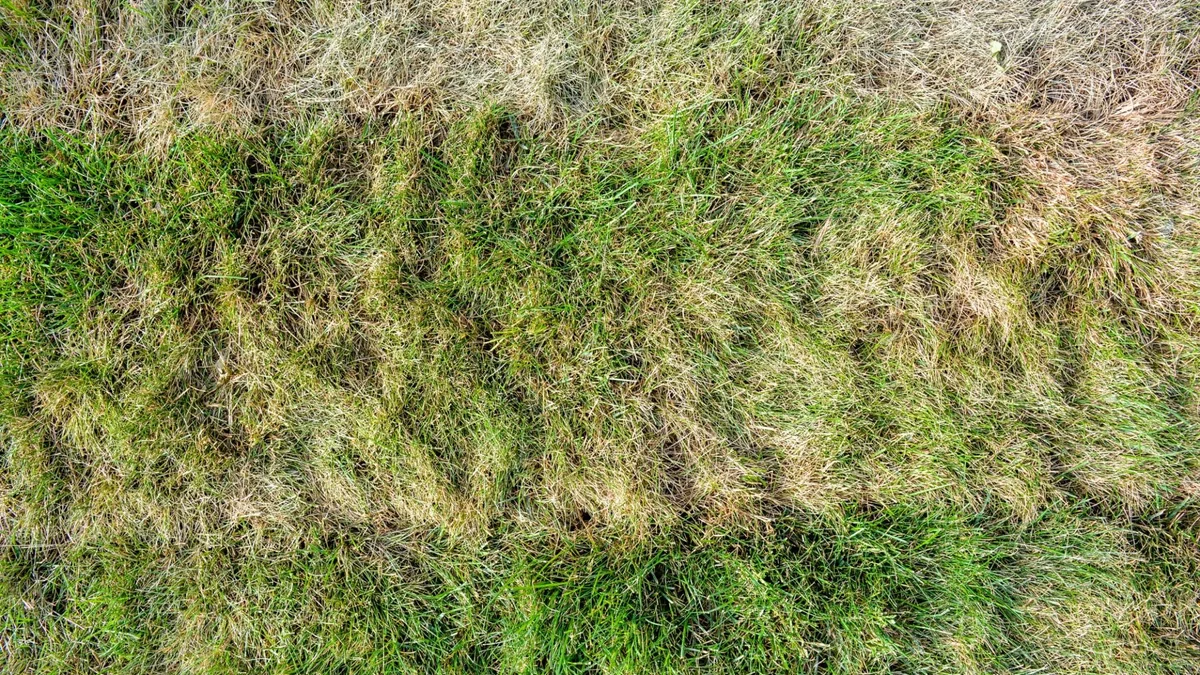
The visible grass blades may turn yellow, tan, or brown, even though living tissues remain beneath the surface.
Dormancy is not the same as death.
A dormant lawn can return to active growth when soil temperatures rise and favorable growing conditions return.
However, dormant grass still needs protection from prolonged drought, excessive foot traffic, drainage problems, and severe winter conditions.
Homeowners should remember several important points:
- Brown grass during winter can be completely normal.
- Bermuda and Zoysia may enter dormancy at slightly different times.
- Dormant turf generally requires less water than actively growing grass.
- Heavy nitrogen fertilization is usually inappropriate during winter dormancy.
- Repeated traffic can damage grass that cannot actively repair itself.
- Spring green-up depends on soil temperatures, grass variety, and weather patterns.
Understanding warm-season sod winter dormancy helps homeowners distinguish normal seasonal changes from problems that require attention.
What Does Winter Dormancy Look Like?
For homeowners accustomed to a lush green summer lawn, the transition into winter can be surprising.
The change usually develops gradually rather than happening overnight.
During early fall, the lawn may still maintain much of its summer color.
As nighttime temperatures decline, growth begins slowing.
Eventually, the grass may turn yellowish or develop a tan appearance.
After colder weather or frost, the lawn can become predominantly brown.
The Color Change Is Often Gradual
Different parts of the same lawn may change color at different rates.
Areas receiving full sunlight may remain green longer than shaded sections.
Low-lying areas where cold air settles may turn brown earlier.
Grass near buildings or pavement may experience slightly different temperatures.
These differences can create a patchy appearance during the transition.
Uneven color does not automatically mean the grass is diseased.
Grass Growth Slows Dramatically
During active summer growth, Bermuda and Zoysia produce new leaves and roots.
As winter dormancy develops, that activity decreases.
Homeowners may notice that mowing becomes unnecessary for long periods.
This is expected because the grass is no longer producing substantial new top growth.
The Lawn May Feel Different Underfoot
Dormant grass can feel drier or less flexible than actively growing turf.
The leaf blades may appear straw-like, particularly after frost.
However, the living crowns, stems, and roots may remain viable.
The most important distinction is that the visible blades can lose their green color while the lawn remains capable of regrowth.
Winter Appearance Depends on the Grass Variety
Bermuda often develops a relatively uniform tan or brown appearance after dormancy.
Zoysia may develop golden, straw-colored, or brown tones.
The exact color varies by cultivar, weather, and growing conditions.
These seasonal differences are normal characteristics of warm-season turfgrass.
Why Bermuda Grass Turns Brown in Cold Weather
Bermuda grass is known for its active summer growth, tolerance of full sunlight, and ability to recover from wear under favorable conditions.
However, Bermuda is a warm-season grass.
Its strongest growth occurs when temperatures and soil conditions are warm enough to support active development.
As autumn temperatures decline, Bermuda begins preparing for winter dormancy.
Cooler Temperatures Slow Photosynthesis
During the growing season, Bermuda uses sunlight to produce energy through photosynthesis.
As temperatures fall, its growth processes slow.
The grass produces less new leaf tissue, and its normal green color gradually fades.
Eventually, the visible blades may become almost completely brown.
This does not automatically indicate that the entire plant has died.
Frost Can Accelerate Browning
A cold night or frost event may cause a noticeable change in appearance.
Some sections of the lawn may lose their remaining green color quickly.
Although frost can damage exposed leaf tissue, healthy Bermuda grass often survives ordinary winter conditions in Charlotte.
Its ability to recover depends on the cultivar, plant health, severity of cold weather, and other factors.
Bermuda Stores Energy for Future Growth
Bermuda grass spreads through aboveground stolons and underground rhizomes.
These structures help support growth and recovery when conditions become favorable.
During winter, living growing points and stored carbohydrates help the grass survive until spring.
However, severe cold, excessive moisture, or prolonged drying can still cause injury.
Brown Bermuda Is Not Automatically a Failed Lawn
A homeowner who sees brown Bermuda in December may assume the grass needs fertilizer or replacement.
In many cases, neither is necessary.
The lawn may simply be following its normal seasonal cycle.
Homeowners interested in the characteristics of this turf variety can explore Main Street Sod Company’s Bermuda grass options.
The important winter message is that dormant Bermuda should be protected rather than forced into active growth.
Why Zoysia Grass Goes Dormant
Zoysia is another popular warm-season turfgrass used in residential and commercial landscapes.
It is valued for its dense growth habit, attractive texture, and ability to perform well under suitable warm-weather conditions.
Like Bermuda, Zoysia naturally slows its growth as temperatures decline.
However, its winter behavior can look somewhat different.
Zoysia Responds to Seasonal Temperature Changes
As fall progresses, Zoysia reduces active growth.
Its leaves gradually lose chlorophyll, causing the turf to change color.
Depending on the cultivar and growing conditions, the lawn may turn yellow, golden brown, or tan.
This transition is a normal part of the grass’s annual cycle.
Different Zoysia Varieties May Change Color Differently
Not all Zoysia lawns enter or leave dormancy at exactly the same time.
Cultivar characteristics influence how long the turf retains green color and how it responds to cold temperatures.
Soil conditions, sunlight, and local weather also contribute.
For example, a sunny section of a Zoysia lawn may remain greener than a shaded area during early winter.
The same lawn may also green up unevenly during spring.
Zoysia Has a Slower Growth Habit
Zoysia generally grows and spreads more slowly than Bermuda.
This can be an advantage for homeowners who prefer less frequent mowing during the growing season.
However, it also means damaged areas may take longer to recover.
During dormancy, recovery from physical damage is especially limited.
That makes protecting Zoysia from repeated winter traffic important.
Zoysia Still Needs Proper Winter Care
Although dormant Zoysia uses less water and requires little mowing, homeowners should continue monitoring the lawn.
Extended drought, poor drainage, and heavy traffic can create problems.
Dormancy reduces growth activity, but it does not eliminate the grass’s basic environmental needs.
Homeowners can learn more about available turf varieties through Main Street Sod Company’s Zoysia grass page.
Understanding warm-season sod winter dormancy helps prevent ordinary seasonal browning from being mistaken for permanent turf failure.
How Can You Tell Dormant Grass From Dead Grass?
This is one of the most common questions homeowners ask during winter.
The challenge is that dormant and dead grass can look similar.
Both may have brown or straw-colored blades.
However, their ability to recover is different.
Dormant grass remains alive and can resume growth when conditions become suitable.
Dead grass has lost the living tissues needed for recovery.
Look at the Overall Pattern
Normal dormancy often develops across most of a warm-season lawn as temperatures decline.
The color change may be relatively uniform, although shaded areas and colder sections can respond differently.
Isolated patches that suddenly deteriorate while surrounding grass remains healthy may deserve closer attention.
However, patchiness alone does not confirm a problem.
Examine the Crowns and Growing Points
Grass crowns are located near the base of the plant.
They contain important growing tissues that support new leaf development.
When these tissues remain viable, grass may recover even after its leaves have turned brown.
A professional turf assessment may involve examining crowns and stems for signs of living tissue.
Homeowners should avoid aggressively pulling apart the lawn or damaging roots while investigating.
Check Whether the Turf Remains Anchored
Established sod should generally remain connected to the soil.
Large sections that lift easily, particularly when accompanied by root deterioration, may indicate a problem.
However, newly installed sod can have limited root attachment even when it remains alive.
That means rooting should be interpreted alongside installation age and growing conditions.
Wait for Favorable Growing Conditions
One of the most reliable indicators of survival is the return of healthy growth during spring.
A dormant lawn may produce new green shoots as soil temperatures rise.
Dead sections may remain brown while surrounding areas recover.
Homeowners should allow appropriate time for the specific grass variety to resume growth before assuming replacement is necessary.
Compare the Warning Signs
| Observation | Possible dormancy | Possible damage |
| Widespread browning after cold weather | Common | Possible, depending on severity |
| Little or no winter growth | Normal | Not enough to diagnose damage |
| Brown blades with living crowns | Expected | Less concerning |
| Rotten roots or crowns | Not normal | May indicate serious injury |
| Large bare patches after spring green-up | Less typical | May require evaluation |
| Persistent decline during favorable growing weather | Not typical | May indicate damage or disease |
No single observation provides a perfect diagnosis.
When homeowners are uncertain, a professional assessment can help determine whether the lawn needs treatment or simply more time.
Does Dormant Sod Still Need Water?
Yes, dormant warm-season sod may still need water.
However, its moisture requirements are generally much lower than during active summer growth.
Because the grass is not producing substantial new leaf growth, it typically uses less water.
Cooler temperatures may also reduce evaporation.
Nevertheless, winter drought can still damage turf.
Dormancy Does Not Eliminate Water Needs
Living plant tissues require sufficient moisture to survive.
If soil becomes excessively dry for an extended period, dormant grass can experience desiccation.
Winter winds and periods of low humidity may contribute to moisture loss.
This is especially important for recently installed sod or turf growing in exposed locations.
Check the Soil Before Irrigating
Homeowners should not water dormant lawns according to a rigid calendar schedule.
Instead, they should consider recent rainfall, soil moisture, drainage, and weather conditions.
If the soil remains adequately moist, supplemental irrigation may not be necessary.
During extended dry periods, some watering may be appropriate.
The goal is to prevent excessive drying without leaving the ground saturated.
Avoid Waterlogged Soil
Charlotte-area properties often contain clay-rich soil.
Clay can retain moisture for extended periods, particularly during cooler weather.
Adding unnecessary irrigation may create standing water or poorly aerated soil.
These conditions can affect root health.
Newly Installed Sod Requires Special Consideration
Recently installed sod may not have fully developed roots into the underlying soil.
This makes it more vulnerable to drying, even during cooler weather.
Homeowners should follow grass-specific establishment recommendations and monitor moisture carefully.
Sod installed shortly before dormancy may not root substantially until warmer conditions return.
Be Careful During Freezing Weather
Irrigation should be avoided when it could create hazardous ice on walkways, driveways, or other surfaces.
Frozen soil may also limit water infiltration.
Homeowners should consider weather conditions before applying supplemental water.
The best approach to warm-season sod winter dormancy is consistent observation rather than treating winter watering like summer irrigation.
Should You Fertilize Warm-Season Grass During Dormancy?
Generally, heavy nitrogen fertilization is not recommended while Bermuda or Zoysia is dormant.
Warm-season grasses use nutrients most actively during periods of suitable growth.
When winter temperatures suppress that growth, adding large amounts of nitrogen does not automatically improve lawn health.
In some situations, poorly timed fertilization can create additional problems.
Fertilizer Cannot Force Normal Winter Growth
A homeowner may be tempted to apply fertilizer when grass turns brown.
However, winter dormancy is driven largely by seasonal environmental conditions.
Fertilizer cannot reliably overcome the effects of short days and cold soil.
Applying nitrogen simply to restore winter color is generally ineffective.
Late-Season Nitrogen Can Be Problematic
Excessive nitrogen applied at inappropriate times may encourage tender growth during periods when cold weather can return.
Nutrients may also be lost through runoff or other processes when plant uptake is limited.
This is one reason fertilization should follow grass-specific seasonal recommendations.
Soil Testing Provides Better Guidance
Homeowners should not assume their lawn needs fertilizer because it appears brown.
A soil test can help identify nutrient conditions and pH.
North Carolina homeowners can use state-supported soil testing resources to guide fertilizer decisions.
Potassium Is Not a Universal Winter Fix
Potassium plays a role in plant health and stress response.
However, applying extra potassium without evidence of a need is not automatically beneficial.
A soil test should guide supplementation.
Wait for Active Growth
Warm-season turf fertilization is generally most appropriate when the grass is actively growing and capable of using nutrients.
The exact timing depends on the variety, weather, soil conditions, and lawn management recommendations.
For Charlotte homeowners, patience during winter is often more useful than applying unnecessary fertilizer.
How Foot Traffic Can Affect Dormant Turf
A dormant lawn may look strong enough for everyday activity, especially when the ground feels firm.
However, warm-season grass has limited ability to repair damage during winter.
Repeated traffic can affect the turf even when the grass is not actively growing.
Dormant Grass Recovers Slowly
During summer, Bermuda and Zoysia can produce new growth that helps recover from moderate wear.
During winter, this repair process slows significantly.
Repeated walking along the same path may crush blades, wear away coverage, or expose soil.
The resulting thin areas may remain visible until spring growth resumes.
Frozen Grass Is More Vulnerable
Frost-covered grass should be treated carefully.
Walking across frozen or frosted leaves can damage plant tissue.
A single short walk does not necessarily destroy the lawn, but repeated activity should be minimized when the grass is frozen.
Saturated Soil Can Become Compacted
Charlotte winters sometimes include prolonged wet periods.
Heavy traffic across saturated soil can compress the ground and damage turf structure.
Compaction restricts air and water movement and may affect future root growth.
Pets Can Create Repeated Wear
Dogs often follow familiar routes through the yard.
During winter, repeated activity can create worn paths that do not recover quickly.
Where possible, homeowners can reduce concentrated traffic in vulnerable areas.
Heavy Equipment Should Be Limited
Parking vehicles, storing construction materials, or moving heavy equipment across dormant sod can damage the turf and compact the soil.
These activities are particularly risky when the ground is wet.
What About Normal Backyard Use?
Dormancy does not mean the lawn must remain completely untouched.
Occasional light activity is usually less concerning than repeated concentrated traffic.
The goal is to reduce unnecessary wear until the grass can resume active growth.
Protecting dormant turf helps preserve the coverage already established during the growing season.
When Does Spring Green-Up Usually Begin?
For many Charlotte homeowners, spring green-up is the moment they have been waiting for.
After months of tan or brown grass, small patches of green begin appearing across the lawn.
However, there is no universal date when Bermuda or Zoysia will return to full color.
Spring green-up depends on several interacting factors.
Soil Temperature Is a Major Factor
Warm-season grasses become more active when soil temperatures rise into a range that supports growth.
The soil usually warms more slowly than the air.
A few warm afternoons may make spring feel close, but that does not necessarily mean the root zone is warm enough for sustained growth.
Bermuda and Zoysia May Respond Differently
Bermuda generally greens up as temperatures become favorable for active growth.
Zoysia may respond at a different pace depending on the cultivar.
Some varieties retain color longer in fall or resume green growth earlier than others.
Homeowners should avoid comparing different grass types as though they follow identical schedules.
Sun Exposure Makes a Difference
Sunny areas often warm sooner than shaded sections.
A lawn may begin greening near a driveway or open area while grass beneath trees remains dormant.
These differences can be normal.
Spring Cold Snaps Can Slow Progress
Charlotte occasionally experiences warm spring weather followed by colder temperatures.
An early period of green growth does not mean winter-related stress is completely over.
Cold nights may slow development or damage tender new leaves.
Don’t Rush the Lawn
Homeowners should avoid aggressive fertilization, scalping, or unnecessary renovation simply because neighboring lawns begin greening first.
The appropriate timing for spring maintenance depends on the grass variety and actual growing conditions.
Healthy dormant turf often needs patience more than intervention.
What Signs Suggest the Lawn Has a Real Problem?
Although winter browning is normal for warm-season grass, not every change should be dismissed.
Certain symptoms may indicate disease, winter injury, drainage problems, or other conditions that require evaluation.
Unusual Patches That Spread
Dormancy often affects much of the lawn as temperatures decline.
However, isolated patches that develop unusual patterns or continue deteriorating may deserve attention.
Some turf diseases can affect warm-season grasses during cool, moist conditions.
Large patch disease, for example, can affect Zoysia and other susceptible turfgrasses.
Diagnosis should be based on the overall symptoms and site conditions rather than patch color alone.
Rotten or Deteriorating Roots
Healthy dormant turf retains living tissues.
Roots or crowns that show substantial decay may indicate excessive moisture, disease, or other damage.
An assessment can help determine whether the plant remains viable.
Persistent Standing Water
Water that remains pooled for extended periods can create poor growing conditions.
Dormant grass does not benefit from continuously saturated soil.
Drainage problems should be evaluated rather than simply waiting for spring.
Large Areas That Fail to Green Up
As favorable growing conditions return, healthy warm-season grass should gradually resume growth.
If large sections remain brown while surrounding turf becomes actively green, the lawn may have experienced winter injury or other damage.
The proper evaluation period depends on seasonal conditions.
A fixed calendar date should not be used as the only indicator.
Exposed Soil and Severe Thinning
Areas with little remaining turf may have experienced excessive traffic, erosion, or other problems.
These sections may need additional attention once active growth resumes.
When Professional Help Is Appropriate
Homeowners should consider professional evaluation when the cause of damage is unclear, substantial areas fail to recover, or the same problem returns each season.
At Main Street Sod Company, we help homeowners understand turf characteristics and identify appropriate lawn improvement options.
Our team works with residential and commercial properties throughout Charlotte and surrounding communities.
Homeowners can review our service areas to learn more about the locations we serve.
For lawns with significant damage, professional guidance can help determine whether the turf is likely to recover or whether replacement should be considered.
FAQs About Warm-Season Sod Dormancy
Does Bermuda grass die when it turns brown in winter?
No. Bermuda grass commonly turns brown as it enters winter dormancy. The visible leaves may lose their green color while the crowns and other living structures remain viable. Healthy turf generally resumes growth when favorable spring conditions return.
Does Zoysia grass stay green all winter in Charlotte?
Typically, no. Zoysia is a warm-season grass that usually becomes dormant during Charlotte’s colder months. Its leaves may turn yellow, tan, or brown before new growth appears in spring. The timing and appearance vary by cultivar and weather.
Should dormant Bermuda or Zoysia be watered?
Dormant grass may need supplemental water during extended dry periods, but generally requires less irrigation than actively growing turf. Homeowners should check soil moisture and rainfall rather than follow a fixed watering schedule.
Can fertilizer turn dormant grass green again?
Fertilizer cannot reliably reverse dormancy caused by cold temperatures and shorter days. Heavy nitrogen applications during winter are generally inappropriate for dormant warm-season grasses. Fertilization is usually better aligned with active growth and soil test recommendations.
Can walking on dormant grass damage it?
Yes. Repeated traffic can crush dormant grass and compact the underlying soil, especially when the ground is frozen or saturated. Because grass grows slowly during winter, worn areas may not recover until warmer weather returns.
How long does it take for dormant sod to turn green in spring?
The timing varies with grass variety, soil temperature, sunlight, and weather. Bermuda and Zoysia generally resume growth as soil temperatures become favorable, but spring green-up may occur gradually and unevenly across the yard.
A Brown Winter Lawn Can Still Have a Beautiful Green Future
Watching a once-green lawn turn brown can be unsettling, especially for homeowners who have recently invested in high-quality sod. Fortunately, winter dormancy is a normal part of the growth cycle for Bermuda, Zoysia, and other warm-season turfgrasses.
The key is understanding what the grass needs while its growth is temporarily reduced.
Proper moisture management, limited foot traffic, careful fertilizer timing, and patience during spring green-up can help homeowners maintain healthier turf through the colder months.
At Main Street Sod Company, we help homeowners throughout Charlotte and surrounding North Carolina and South Carolina communities understand their turf options and make informed lawn care decisions.
Our team provides premium sod, professional installation, and guidance based on grass variety, soil conditions, sunlight, and seasonal growing patterns.
Whether a homeowner is concerned about unusual winter browning, evaluating areas that failed to recover, or planning future lawn improvements, we can help assess the situation and discuss appropriate solutions.
Understanding warm-season sod winter dormancy helps homeowners avoid unnecessary treatments and recognize when professional attention may be needed.
Contact Main Street Sod Company at (704) 349-2872 to request a free sod estimate or discuss lawn concerns. A brown winter lawn may simply be resting before another season of healthy green growth.