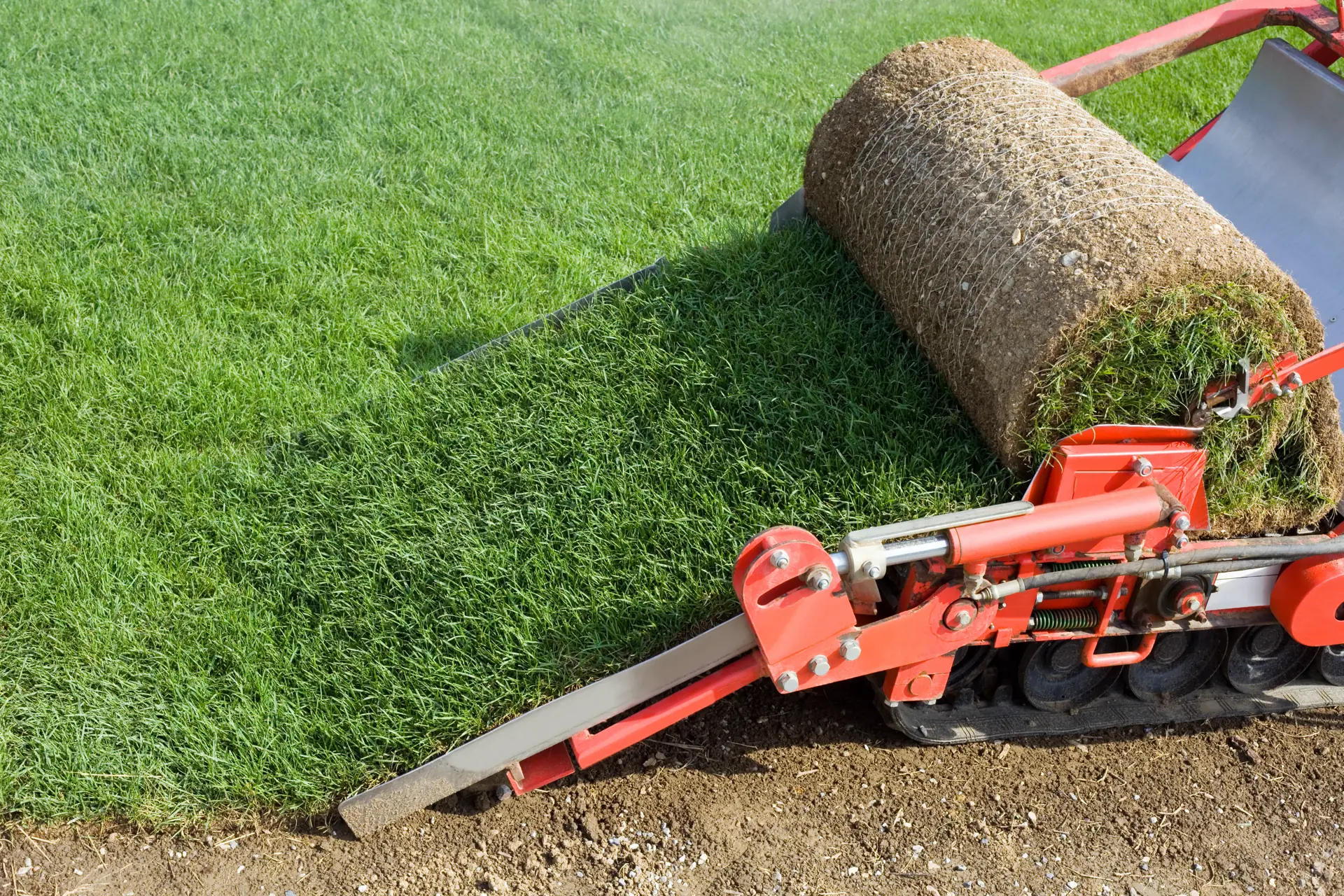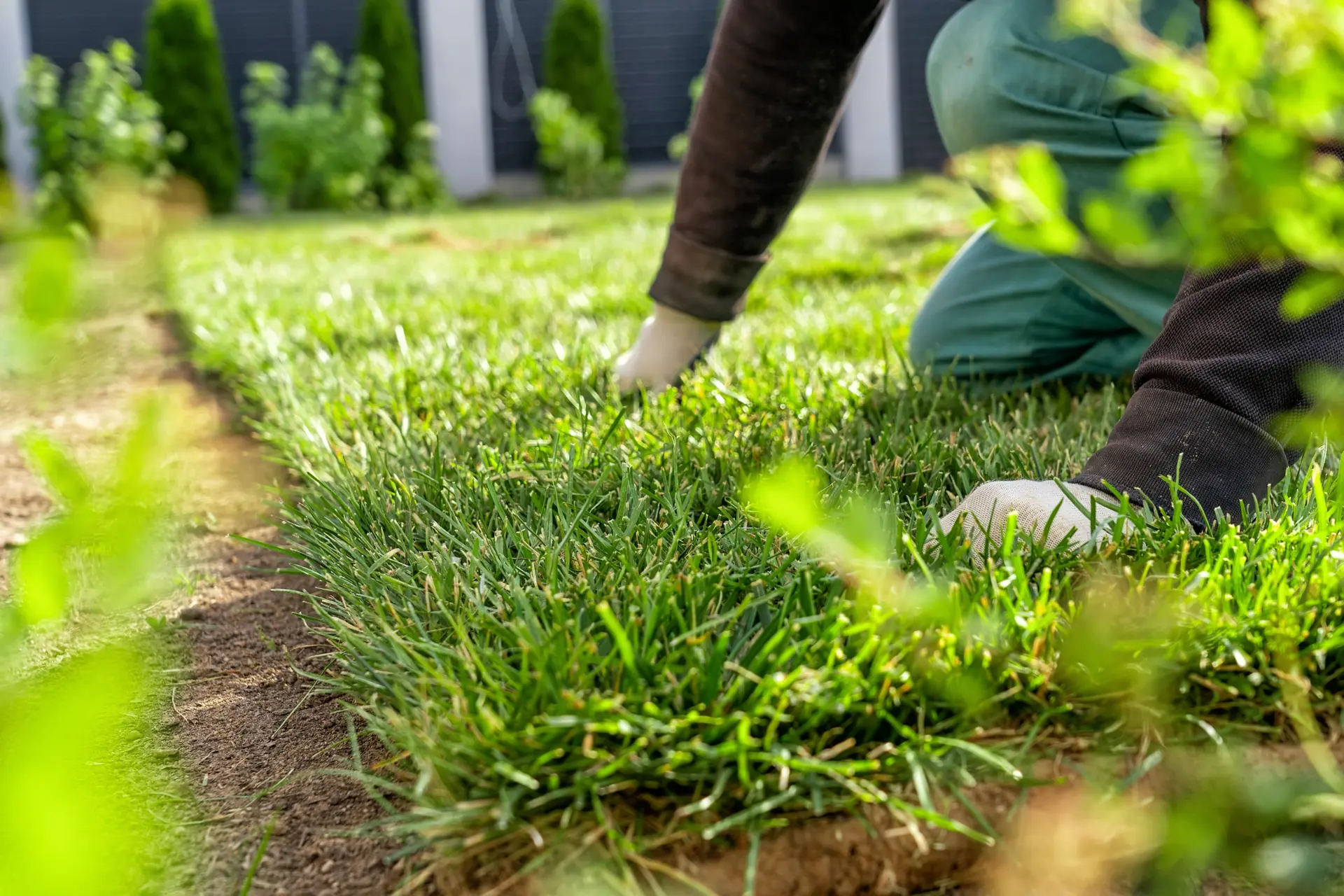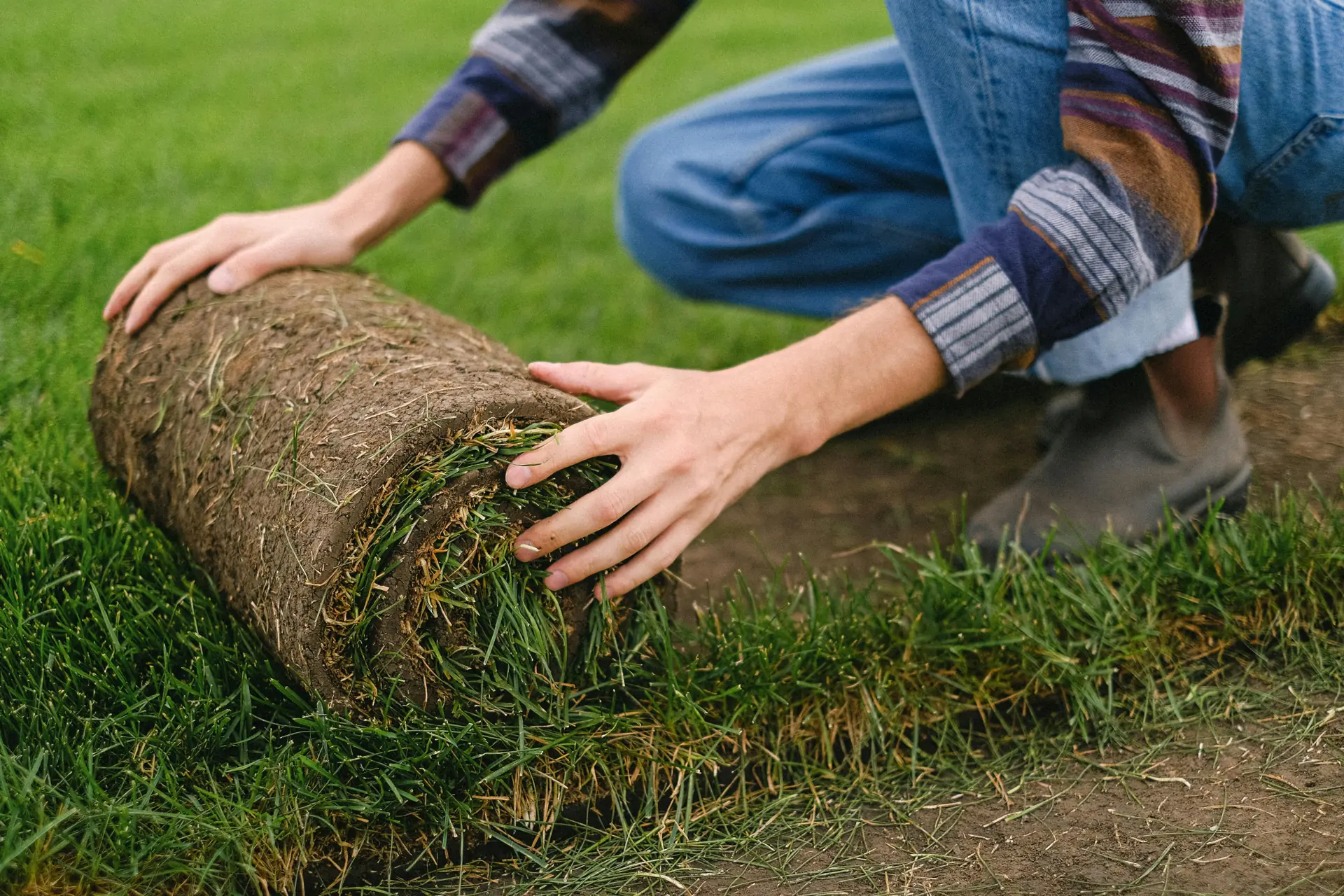
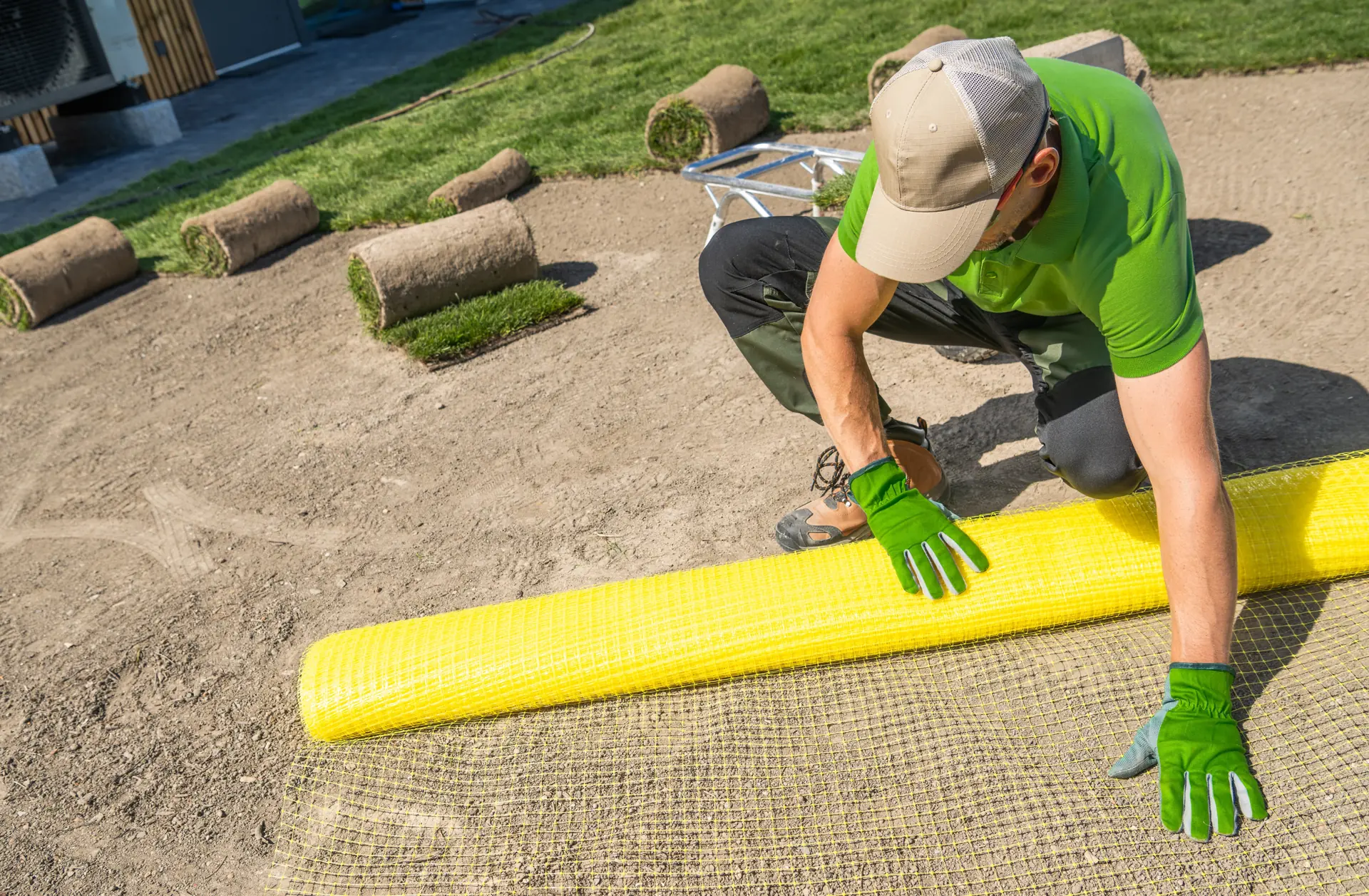
Artificial turf should not be installed directly over existing grass because the surface will break down, shift, and drain poorly. Proper turf grass installation requires removing old grass, preparing the base, and creating a stable foundation before the turf is placed.
Skipping preparation may seem convenient, but it usually causes more problems than it solves. Existing grass, roots, weeds, and soft soil can create uneven areas beneath the turf. That can shorten the life of the installation and lead to costly corrections. A durable turf surface starts below the visible grass layer.
Do You Need To Remove Old Grass Before Installing Turf?
Yes, old grass should be removed before artificial turf is installed.
Existing grass is organic material. It decomposes after being covered, which creates voids under the turf. Those voids can cause sinking, wrinkles, odors, and uneven surfaces.
A clean base allows the installer to control drainage, grade, compaction, and surface stability.
Why Grass Removal Matters
Removing the existing lawn creates room for the base materials that support artificial turf.
A typical turf base may include compacted aggregate, grading material, weed barrier, and infill. These layers help the turf stay level and drain correctly.
Without removal, the turf sits on unstable ground.
What Should Be Removed?
The old grass, root layer, weeds, loose soil, and organic debris should be cleared.
This process creates a cleaner working surface and reduces the chance of future movement.
For a professional project, removal is not an optional step. It is part of building a long-lasting system. In many lawn renovation projects, a proper sod tear-out process is the first step toward creating a stable foundation.
Can Any Grass Stay Behind?
Small root fragments may remain in the soil after excavation, but the visible grass and active root mat should be removed.
The goal is not cosmetic cleanup. The goal is structural preparation.
A firm, properly compacted base gives artificial turf the support it needs.
Can Artificial Turf Be Installed Over Soil Or Concrete?
Artificial turf can be installed over prepared soil or concrete, but each surface requires a different approach.
The key is not the surface type alone. The key is whether that surface is stable, level, and able to manage water properly.
Installing Turf Over Soil
Soil is common for residential yards, play areas, and pet spaces.
However, turf should not be placed directly on loose soil. The soil must be excavated, graded, and compacted before base materials are installed.
A compacted aggregate base improves drainage and prevents soft spots.
This is especially important in areas with heavy rainfall or clay-based soil.
Proper grading and leveling can help create a stable base that supports long-term performance.
Installing Turf Over Concrete
Concrete can support artificial turf when it is clean, level, and structurally sound.
This type of installation is often used for patios, rooftops, balconies, and small outdoor areas.
Drainage remains important. If water collects on the concrete, the turf may hold moisture, odor, or debris.
Padding may also be added for comfort and improved shock absorption.
Choosing The Right Surface
Prepared soil offers a more traditional landscape installation.
Concrete works well for hardscape conversions, but it may require adhesive, drainage planning, and edge securing.
Both methods can succeed when installed correctly.
What Happens If Turf Is Installed Over Existing Lawn?
Trying to install turf over existing grass can lead to several avoidable problems.
The surface may look acceptable at first, but the issues usually appear as the natural grass begins to die and decompose underneath.
Uneven Surface Movement
Old grass and roots break down over time.
As that layer collapses, the turf above can sink in certain areas. This creates dips, bumps, and an unstable walking surface.
For pets, children, and high-traffic areas, this can become a safety concern.
Drainage Problems
Existing lawns are not designed to function as a turf base.
When artificial turf is placed over grass, water may not drain evenly. Moisture can become trapped between layers.
That can create odors, mildew concerns, and soft areas beneath the surface.
Weed And Pest Issues
Covering grass does not automatically stop weed growth.
Some weeds may continue pushing upward, especially around seams and edges. Organic material under the turf can also attract insects as it breaks down.
Proper removal and base preparation reduce these risks.
Shorter Turf Lifespan
Artificial turf is only as reliable as the base beneath it.
When the foundation fails, the turf surface wears unevenly and may need early repairs or replacement.
Saving time during installation often leads to higher costs later.
Is It Cheaper To Install Turf Over Grass?
Installing turf over grass may seem cheaper at first because it avoids removal and base preparation.
However, it is rarely cheaper when long-term performance is considered.
Lower Upfront Cost
Skipping excavation can reduce labor time and disposal costs.
That is why some property owners consider this shortcut.
The problem is that the installation is not built to last. A lower initial price can come with higher repair costs.
Higher Future Costs
Poorly installed turf may require lifting, regrading, drainage correction, weed treatment, and full reinstallation.
Those repairs can cost more than doing the job correctly from the beginning.
A failed base often means the turf itself must be disturbed or replaced.
Value Comes From Durability
A proper installation protects the turf investment.
It improves drainage, appearance, safety, and usable life. That is where the real value comes from.
For homeowners comparing options for turf installation in Charlotte, NC, proper soil preparation before installation should be treated as essential, not extra.
When Budget Matters
If budget is a concern, it is better to adjust project size, turf type, or timeline than to skip foundation work.
A smaller properly installed area is usually better than a larger area installed over grass.
Will Weeds Grow Through Artificial Turf?
Weeds can grow around artificial turf, but a proper installation greatly reduces the risk.
Most weed issues come from poor preparation, contaminated base material, exposed edges, or airborne seeds.
Weeds From Below
If existing grass and weeds are not removed, they may continue trying to grow under the turf.
Strong weeds can push upward through seams, edges, or weak spots.
This is one reason old grass removal is important.
Weeds From Above
Some weeds do not grow from below the turf.
Seeds can land on top of the surface from wind, birds, nearby plants, or trees. If organic debris collects in the turf fibers, seeds may germinate.
Regular cleaning helps prevent this.
Weed Barrier Protection
A weed barrier can help reduce growth from below.
It should be installed as part of a complete system, not used as a substitute for removing grass.
Weed barriers work best when paired with excavation, grading, compaction, and clean base materials.
Edge And Seam Control
Edges and seams are common areas for weed growth.
Proper securing, trimming, and finishing reduce gaps where weeds can appear.
Ongoing inspection helps catch small issues before they spread.
Plan Your Lawn The Right Way
A successful turf project starts with correct preparation, not shortcuts. At MainStreet Sod Company, we believe every lawn deserves a stable foundation, proper drainage, and a clean installation process. Whether you are comparing natural sod, artificial turf, or planning a complete lawn upgrade, we help property owners choose solutions that fit their space and long-term expectations.
We focus on practical guidance, reliable installation standards, and outdoor results that hold up over time. If your existing lawn is uneven, worn, or difficult to maintain, our team can help you understand the right next step before any turf is installed. Learn more about our professional sod preparation services and installation standards.
Final Thoughts
Artificial turf should not be installed over existing grass because the old lawn will decompose, shift, and create drainage problems. Proper installation requires removing grass, preparing the soil, compacting the base, and controlling weeds before the turf is secured. While skipping removal may lower the first cost, it often leads to repairs, uneven surfaces, and shorter turf life.
A stable foundation gives artificial turf better appearance, safety, drainage, and durability. Careful preparation is always the better long-term choice for any turf project.