Professional turf grass installation is a step-by-step process that includes site evaluation, ground preparation, removal of existing grass when needed, base installation, drainage planning, turf placement, securing, finishing, and final cleanup. The goal is to create a smooth, durable, natural-looking lawn surface that performs well over time.
Whether you are replacing a patchy yard, improving curb appeal, or creating a cleaner outdoor space, the quality of the installation matters just as much as the turf itself. A beautiful lawn does not begin when turf is rolled out. It begins underneath the surface, where grading, soil conditions, base materials, and drainage all play a major role.
Many homeowners search for Turf Grass Installation because they want to understand what actually happens during a professional project. This is a smart step. When you know the process, you can better evaluate contractors, compare estimates, and understand why professional installation often produces stronger, longer-lasting results than a rushed DIY job.
For homeowners considering Turf Installation Charlotte, NC, understanding the full Turf Installation Process can also help you prepare your property before the work begins. From the first ground inspection to the final brushing and edging, every step affects how the finished lawn looks and performs.
How Do Professionals Prepare The Ground For Turf?
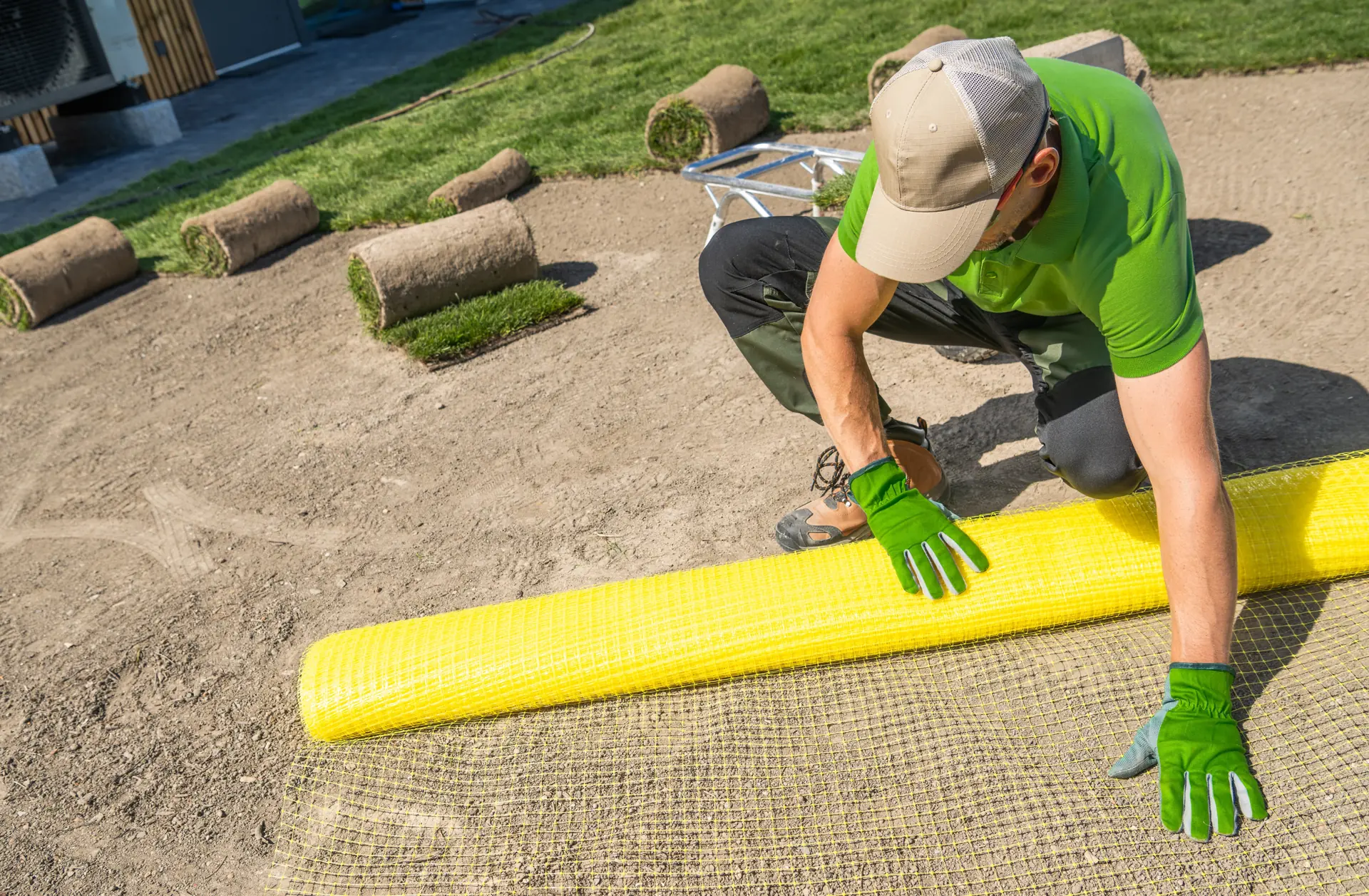
Professional installers prepare the ground by clearing the area, evaluating soil or surface conditions, grading the space, removing debris, compacting the base, and creating a smooth foundation for the turf. This preparation is one of the most important parts of the entire Turf Installation Process.
A turf project can fail if the ground is not prepared correctly. Even high-quality turf may look uneven, drain poorly, shift, wrinkle, or wear out faster if the surface underneath is unstable.
Site Evaluation Comes First
Before the actual installation begins, professionals inspect the project area. They look at the current lawn condition, slope, drainage patterns, sun exposure, soil quality, access points, and any surrounding features such as walkways, driveways, patios, fences, and planting beds.
This step helps determine what type of preparation is needed. A flat, open backyard may require a simpler process than a sloped front yard with drainage issues or compacted clay soil. In Charlotte, many properties have different soil textures and drainage challenges, so local experience can make a noticeable difference.
For homeowners searching for Turf Installation Charlotte, NC, this early inspection helps ensure the installation plan fits the actual yard rather than using a one-size-fits-all approach.
Clearing The Work Area
The area must be cleared before turf can be installed. This may include removing sticks, rocks, weeds, roots, old mulch, loose soil, debris, and other materials that could interfere with the turf surface.
If these materials are left under the turf, they can create bumps, dips, weak spots, or uneven areas. Professional crews take time to create a clean working surface so the final lawn looks smoother and feels more stable underfoot.
Grading And Leveling
Grading is the process of shaping the ground so water moves properly and the finished turf surface looks even. This may involve filling low spots, shaving down high areas, and creating a slight slope away from structures.
Poor grading can cause water to pool, which may lead to soft areas, odor problems, muddy spots around the edges, or premature turf wear. A professional installer understands that turf should not simply be placed on top of the existing surface without checking how water will move.
Proper grading and leveling is often one of the most important steps in creating a durable lawn surface.
Compacting The Surface
Once the ground is shaped, the surface is usually compacted. Compaction helps stabilize the base and reduce settling after installation. If the ground is too loose, the turf may sink or develop uneven areas over time.
The installer must also avoid over-compaction in situations where drainage and root support are important. The right balance depends on whether the project involves natural sod, artificial turf, or a specific site condition.
Proper preparation is what separates a clean, lasting sod installation from a quick surface-level job.
Do Installers Remove Existing Grass Before Installation?
Yes, professional installers usually remove existing grass before installation, especially when installing artificial turf or replacing a damaged natural lawn. Removing old grass helps create a clean, stable surface and prevents unevenness, weed growth, poor drainage, and weak turf performance.
In some cases, minor lawn repairs may not require full removal, but for most complete turf installation projects, removing the existing grass is the better option.
Why Existing Grass Should Usually Be Removed
Old grass may look harmless, but it can create problems under new turf. If turf is installed directly over existing grass, the surface may become uneven as the old grass decomposes. This can create dips, soft spots, and drainage issues.
Existing grass can also contain weeds, roots, insects, thatch, and organic matter that may interfere with the new installation. For artificial turf, placing turf over living grass is especially problematic because organic material can break down beneath the surface and cause odor, instability, and poor drainage.
For natural sod installation, old grass competes with the new turf and prevents proper soil contact. New sod needs direct contact with prepared soil so the roots can establish properly.
How Professionals Remove Existing Grass
Installers may use hand tools, sod cutters, shovels, or equipment depending on the size of the project. The goal is to remove the grass layer cleanly while preserving or preparing the grade underneath.
After removal, the crew will usually clear roots, loose clumps, and debris. They may also address compacted soil or reshape the area before moving forward.
When Full Removal Is Especially Important
Full removal is especially important when the yard has:
- Heavy Weed Growth
Weeds can continue causing problems if the area is not properly cleared. - Uneven Or Patchy Grass
Poor existing lawn conditions can transfer into the new installation if not corrected. - Drainage Problems
Removing grass allows installers to correct slope, base depth, and water movement. - Artificial Turf Installation
Artificial turf needs a properly built base, not a layer of old grass underneath. - Natural Sod Replacement
New sod needs direct soil contact to support strong rooting.
This step is a major part of the Turf Installation Process because it gives the new lawn a clean foundation. When homeowners consider Turf Installation Charlotte, NC, they should ask whether sod tear-out services are included in the estimate and how the company handles disposal.
Professional turf grass installation is not just about covering up a bad lawn. It is about correcting the base conditions so the new lawn has the best chance to look and perform well.
What Base Materials Are Used Under Artificial Turf?
The base materials used under artificial turf usually include crushed stone, decomposed granite, gravel, or a similar compactable aggregate. These materials create a stable, drainable foundation that supports the turf and helps prevent shifting, sinking, and water buildup.
The base is one of the most important parts of artificial turf installation. Without the right base, the turf may look good at first but develop problems over time.
Why The Base Matters
Artificial turf does not grow roots into the soil, so it depends on the base below for support. The base must be firm enough to hold the turf in place, smooth enough to prevent visible bumps, and porous enough to allow water to move through.
A poor base can lead to wrinkles, puddles, uneven areas, odor issues, loose edges, and premature wear. That is why professionals carefully select and install base materials based on the project’s needs.
Common Base Materials
Crushed Stone
Crushed stone is commonly used because it compacts well while still allowing drainage. It creates a firm foundation and helps keep the turf surface stable.
Decomposed Granite
Decomposed granite can create a smooth and compact surface. It is often used in turf installations where a firm but workable base is needed.
Gravel
Certain gravel blends may be used to support drainage and stability. The exact type depends on the site conditions and the turf system being installed.
Screening Or Fines
Fine aggregate materials may be used as part of the finishing layer to create a smooth surface before turf placement.
Weed Barrier Fabric
Some installations include a weed barrier fabric. This can help reduce weed growth while still allowing water to pass through, depending on the product used.
Infill Materials
Although infill is placed on top of the turf rather than under it, it is still part of the artificial turf system. Infill helps blades stand upright, adds weight, improves feel, and can support drainage and durability.
How Professionals Build The Base
Installers usually excavate the existing surface to the required depth, add the base material in layers, compact each layer, and shape the surface for proper drainage. The base must be level and firm, but it should also be graded correctly so water does not collect in the wrong areas.
The base depth can vary depending on use. A decorative lawn may need a different base than a pet area, playground, putting green, or high-traffic backyard.
When discussing Turf Grass Installation, it is important to ask what base materials the contractor uses and why. A good installer should be able to explain the materials, depth, compaction method, and drainage plan clearly.
For homeowners comparing options for Turf Installation Charlotte, NC, base construction is one of the biggest signs of professional workmanship. The visible turf surface matters, but the hidden base determines how well the lawn holds up.
How Is Drainage Handled During Installation?
Drainage is handled during installation by grading the surface correctly, using drainable base materials, creating proper slope, addressing low spots, and sometimes adding drainage solutions when the yard needs extra support. Good drainage prevents puddling, odor, soil movement, and turf damage.
Drainage is one of the most important parts of the Turf Installation Process because water must have somewhere to go. If water becomes trapped under or around the turf, the lawn can develop serious problems.
Why Drainage Is Important
Water that sits on or under turf can create soft spots, unpleasant smells, uneven surfaces, and long-term wear. In natural sod installations, poor drainage can suffocate roots and contribute to disease. In artificial turf installations, poor drainage can cause water buildup below the surface and reduce the lifespan of the installation.
A professional installer should evaluate drainage before installation begins. This includes watching where water naturally flows, identifying low spots, and checking whether the yard slopes toward or away from the home.
Surface Grading
The first drainage solution is proper grading. The surface should usually be shaped so water moves away from the house, garage, patio, or other structures. Even a slight slope can make a difference.
If the yard is flat or uneven, the crew may need to reshape the base to prevent pooling. Low spots should be filled and compacted. High spots may need to be cut down. The finished surface should guide water naturally instead of trapping it.
For more information, homeowners can review how lawn leveling improves drainage issues.
Drainable Base Materials
For artificial turf, the base material plays a major role in drainage. Crushed stone and similar aggregates allow water to pass through more effectively than compacted soil alone. This helps prevent water from sitting directly beneath the turf.
Professionals may use different material sizes or layers depending on the site. The goal is to create a base that is stable but not sealed off.
Perimeter Drainage
Some yards need extra attention around edges, fences, patios, and walkways. Water can collect near hard surfaces if the turf is not finished properly. Installers may shape edges, adjust base height, or create pathways for water to escape.
Additional Drainage Solutions
In more challenging yards, drainage may require additional solutions such as drain lines, rock channels, French drains, or soil correction. Not every project needs these features, but a professional should recognize when they are necessary.
For Turf Installation Charlotte, NC, drainage planning is especially important because lawns can experience heavy rain, compacted soil, and uneven terrain. A turf installation that ignores drainage may look fine at first but create problems after the first major storm.
Good drainage is one reason homeowners choose professional Turf Grass Installation rather than trying to complete the project without expert guidance.
How Is Turf Secured And Finished?
Turf is secured and finished by carefully positioning the material, trimming edges, joining seams, fastening the turf, applying infill when needed, brushing the fibers, watering natural sod if applicable, and cleaning the project area. This final stage gives the lawn its finished appearance and helps it perform properly.
The finishing process is where professional detail becomes easy to see. Clean edges, tight seams, smooth transitions, and proper securing all contribute to a lawn that looks polished and lasts longer.
Turf Placement
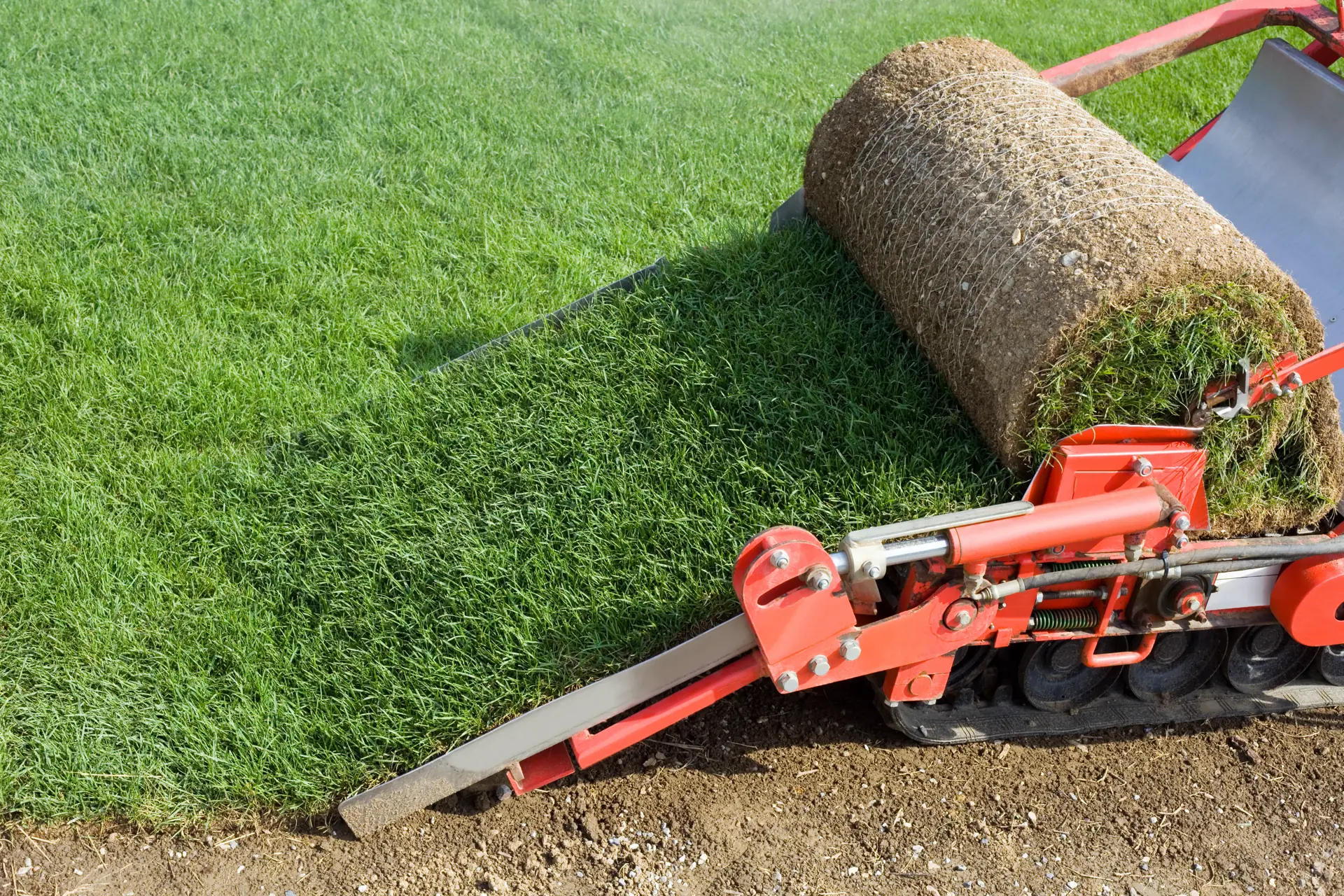
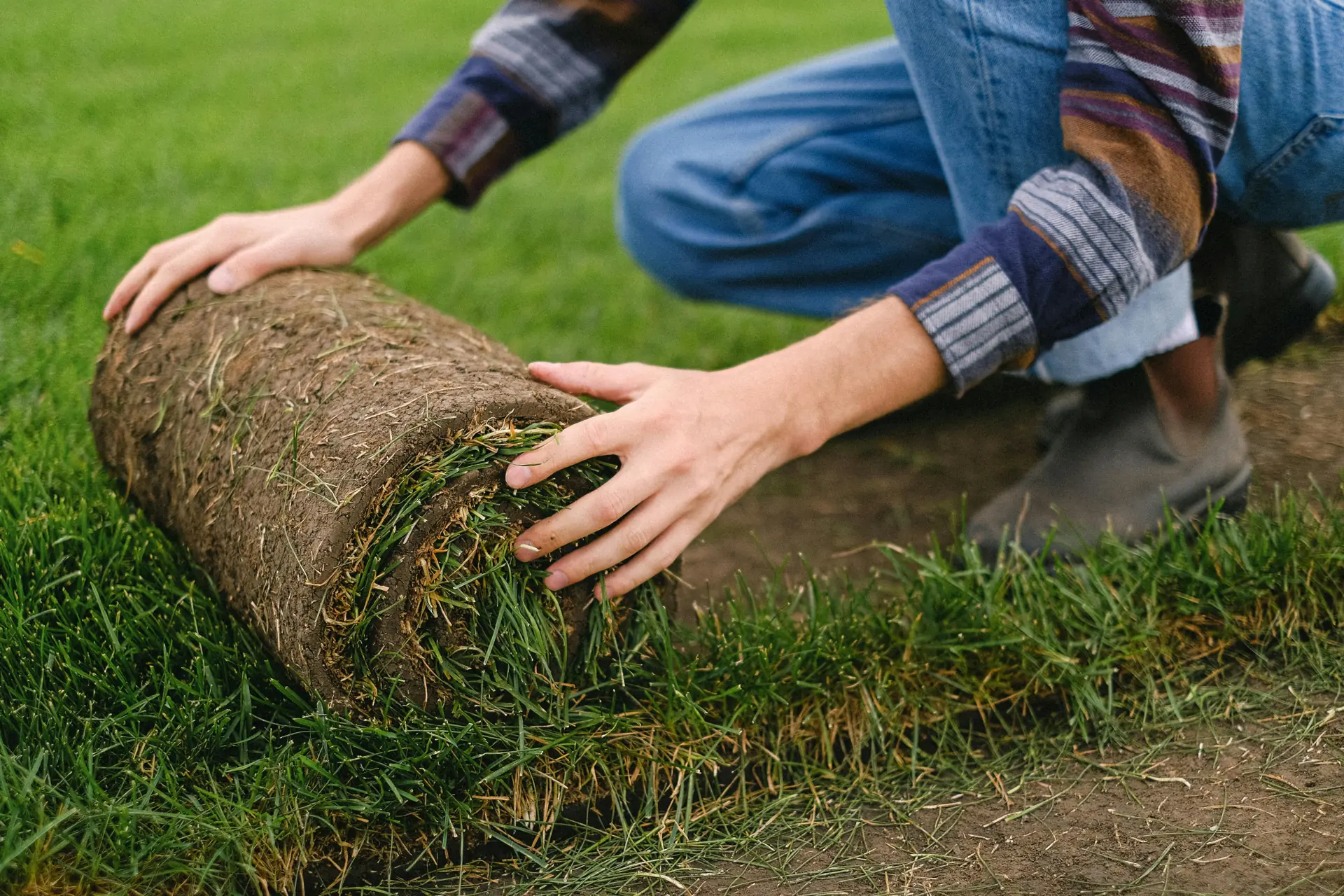
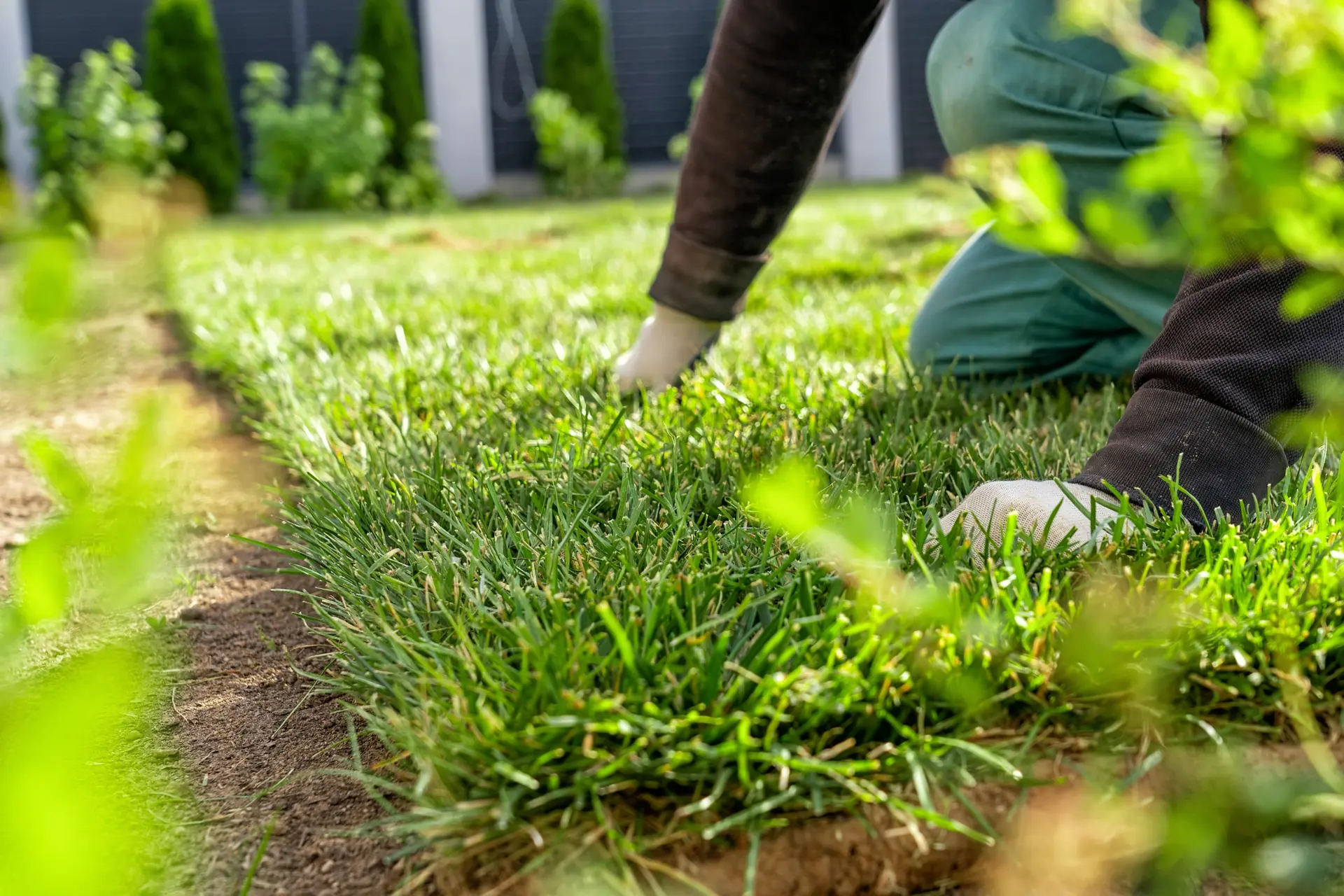
Installers begin by positioning the turf carefully across the prepared base. For artificial turf, the grain or blade direction should be consistent so the lawn has a uniform appearance. For natural sod, pieces are usually laid tightly together in a staggered pattern to reduce visible seams and support healthy establishment.
Placement must be done with care. If turf is stretched too tightly, installed loosely, overlapped, or misaligned, it can create wrinkles, gaps, or uneven spots.
Seaming Turf Sections
Large areas often require multiple turf pieces. Professionals join these sections using seam tape, adhesive, nails, staples, or other fastening methods depending on the turf type and installation system.
Seams should be tight but not forced. Poor seams are one of the most noticeable signs of low-quality installation. A well-done seam blends into the surface and avoids raised or separated edges.
Trimming And Edging
Edges around walkways, patios, fences, planting beds, and driveways are trimmed for a clean fit. This step requires precision. Rough cuts or uneven edges can make the whole lawn look unfinished.
Professional installers use sharp tools and careful measurements to create a clean border. Edging also helps keep the turf secure and reduces the chance of lifting.
Securing The Turf
Artificial turf may be secured with nails, staples, perimeter fasteners, adhesive, or other methods based on the site. Natural sod is secured through soil contact, rolling, watering, and root establishment.
The goal is to keep the turf stable while maintaining a natural look and feel. Proper securing helps prevent shifting, wrinkles, lifted corners, and seam movement.
Applying Infill
Artificial turf often requires infill. Infill helps weigh the turf down, supports blade structure, improves cushioning, and helps the lawn look fuller. Different infill materials may be used depending on the purpose of the area.
Pet areas, play areas, putting greens, and decorative lawns may require different infill choices.
Brushing And Final Grooming
After infill is applied, the turf is brushed to help the fibers stand upright. This creates a more natural appearance and helps distribute the infill evenly.
For natural sod, the finishing stage usually includes rolling the surface, watering thoroughly, and providing instructions for the first few weeks of care.
Final Cleanup And Care Instructions
A professional crew should remove scraps, debris, excess materials, and equipment from the site. They should also explain how to care for the turf after installation.
This may include watering schedules, mowing guidance, traffic limits, pet care recommendations, cleaning instructions, and maintenance tips.
The final step of the Turf Installation Process is not just about appearance. It is about helping the new lawn settle, perform, and stay attractive over time.
Build A Cleaner, Greener Lawn With MainStreet Sod Company
Professional turf grass installation is a detailed process that starts long before the turf is placed. It involves evaluating the site, preparing the ground, removing old grass when needed, building the right base, planning drainage, securing the turf, finishing seams and edges, and providing proper aftercare guidance.
The most important takeaway is that a successful lawn depends on the foundation. If the ground is uneven, drainage is ignored, or the base is poorly built, the finished turf may not last as expected. Professional installers know how to prepare the area properly so the lawn looks better, feels more stable, and performs well over time.
For homeowners considering Turf Grass Installation, understanding the process makes it easier to choose the right company. Ask how they prepare the ground, whether they remove existing grass, what base materials they use, how they handle drainage, and how they finish the turf. These questions can help you feel more confident before starting your project.
At MainStreet Sod Company, we help homeowners create fresh, attractive lawns with a careful and reliable Turf Installation Process. If you are planning Turf Installation Charlotte, NC, our team provides professional sod preparation, installation, and support from preparation to final cleanup with local experience.