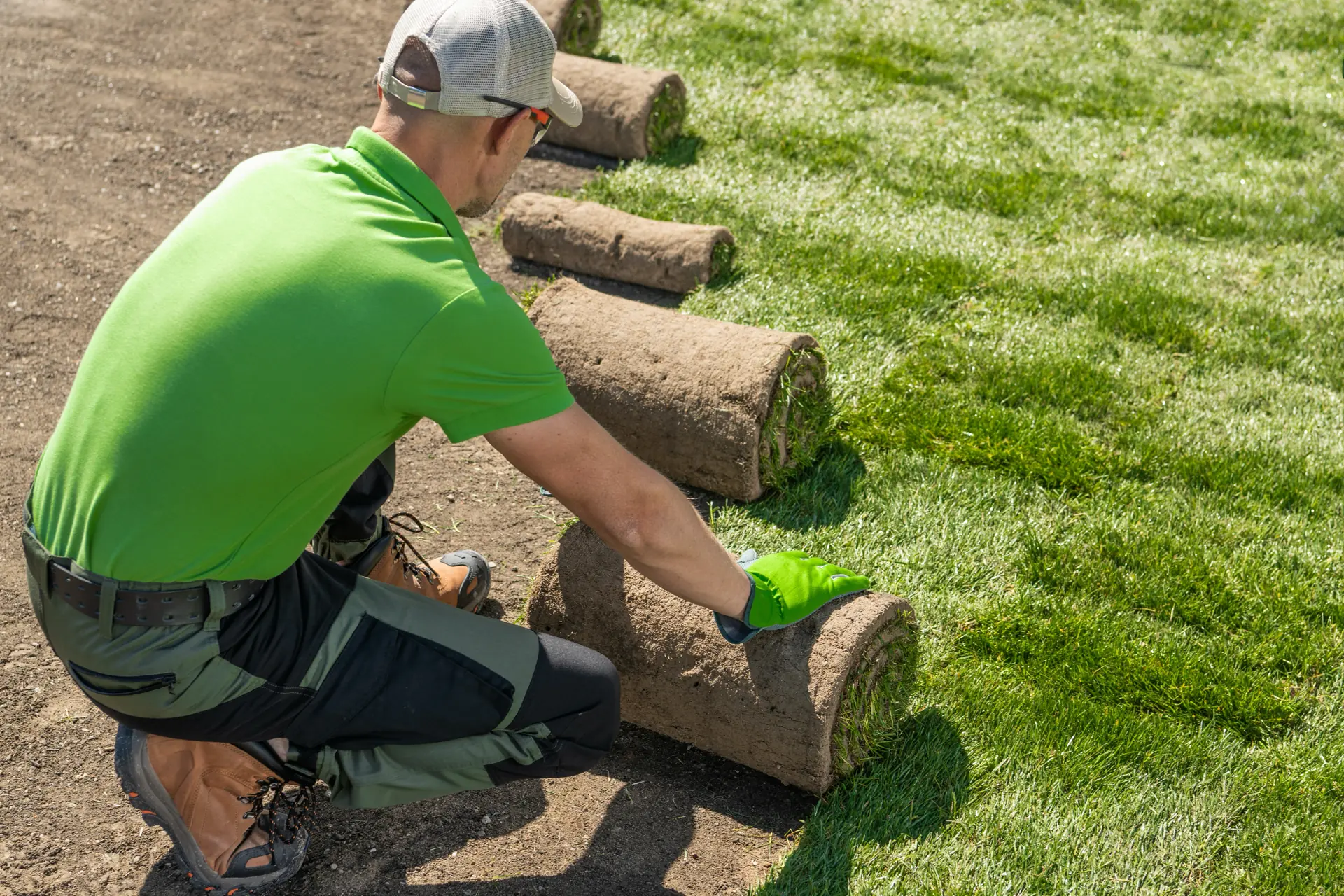
Professional sod companies prepare soil by testing conditions, removing old growth, grading the surface, improving drainage, and applying the right starter nutrients before installation. Proper soil preparation for sod gives new roots direct contact with healthy, level, workable soil.
A beautiful lawn depends on what happens before the sod arrives. If the ground is compacted, uneven, acidic, or filled with old roots, premium sod can struggle. Preparation helps sod establish faster, absorb water correctly, and resist stress. The soil beneath the lawn often determines whether the installation succeeds long-term.
Do Sod Installers Test Soil Before Laying Sod?
Many sod installers evaluate soil before installation, and some projects require formal testing.
Testing shows whether soil can support strong roots.
Why Soil Testing Matters
Soil testing reveals hidden surface conditions.
It can identify pH, nutrients, organic matter, and texture. These details affect water and nutrient absorption.
Without this information, installers may guess what amendments are needed.
What Installers Look For
Installers usually check for compaction, drainage, clay content, sand content, and visible debris.
They may also look for standing water, hardpan layers, or weak existing grass.
These observations guide preparation.
pH and Nutrient Balance
Grass performs best within a suitable soil pH range.
If the pH is too high or too low, sod may struggle to access nutrients even if fertilizer is applied. Lime, sulfur, compost, or other amendments may be recommended based on test results.
When Formal Testing Is Recommended
Formal soil testing is useful for large lawns, commercial properties, problem areas, and repeated turf failure.
For homeowners scheduling sod installation in Charlotte, NC, testing can help match the preparation strategy to local soil conditions and lawn goals.
How Is Soil Graded Before Sod Installation?
Grading shapes the soil surface before sod is installed.
This step improves drainage and root contact.
Creating a Level Surface
Installers remove high spots, fill low areas, and smooth sections.
A level surface helps sod pieces sit tightly against the soil. Good contact encourages faster rooting.
Uneven ground can leave air pockets under the sod.
Managing Water Flow
Grading is not only about making the yard look flat.
The soil must direct water away from foundations, patios, walkways, and low areas. Poor grading causes puddling, erosion, and root disease.
A slight slope is often better.
Loosening Compacted Soil
Before final grading, compacted soil may need to be loosened.
This allows roots to penetrate easily. It also helps water move through the root zone.
Tilling, raking, or aeration may be used depending on soil condition.
Removing Rocks and Debris
Rocks, sticks, debris, old roots, and trash should be removed.
Debris can block rooting and create bumps.
Clean soil gives the sod a better, more dependable foundation for rooting.
Final Raking
After grading, installers often rake the area to create a smooth, slightly loose surface.
The soil should be firm enough to support sod but not so compacted that roots cannot enter it.
For drainage concerns and uneven terrain, professional grading and leveling services can help create the ideal foundation.
What Fertilizers Are Used Before Laying Sod?
Fertilizer selection depends on soil, grass type, and nutrient needs.
Most sod projects benefit from starter nutrients.
Starter Fertilizer
Starter fertilizer is commonly used before or during sod installation.
It often contains phosphorus, which supports early root development. Nitrogen and potassium may also be included, but the balance should match the lawn’s needs.
Applying too much fertilizer can harm young sod.
Soil Amendments
Fertilizer feeds the grass, but amendments improve the soil.
Common amendments include compost, topsoil, lime, or organic matter. These materials improve structure, moisture retention, and nutrient availability.
The right amendment depends on existing soil quality.
Compost and Organic Matter
Compost can improve poor soil by adding beneficial organic material.
It helps sandy soil hold moisture and helps clay soil become more workable.
A thin, properly blended layer can improve rooting conditions without creating drainage problems.
Lime or pH Adjustments
If soil is too acidic, lime may be applied to raise pH.
If soil is too alkaline, other corrective steps may be needed. Treatments should be based on testing.
Balanced pH helps fertilizer work more effectively during early root establishment.
Professional Application
Experienced installers apply nutrients at appropriate rates and times.
This prevents overfeeding, burning, or uneven growth. Proper fertilizer use supports establishment without stressing new sod.
In some cases, additional topsoil installation may be recommended to improve soil structure before sod is laid.
Do Companies Remove Old Grass Before Installing Sod?
Yes, reputable companies usually remove old grass before laying new sod.
New sod needs direct soil contact to root properly.
Why Old Grass Must Be Removed
Existing grass, weeds, thatch, and roots create a barrier.
If sod is placed over old growth, the roots may not penetrate deeply. The lawn can dry out, shift, or develop weak patches.
Removal gives new sod a clean start.
Removing Weeds
Weeds should be controlled before installation.
If weeds remain under or around the sod, they may compete for water, nutrients, and space.
Some weeds can return quickly if roots or seeds are left behind.
Clearing Thatch
Thatch is a layer of dead stems, roots, and organic material.
A thick thatch layer can block water and prevent rooting. Removing it helps create direct contact between sod and prepared soil.
Disposal and Cleanup
Old grass and debris should be removed from the site or properly handled.
Leaving piles nearby can reintroduce weed seeds or pests.
Clean preparation supports a cleaner, smoother installation.
Better Long-Term Results
Removing old grass may add labor, but it improves the performance of the finished lawn.
A clean, prepared base helps sod establish evenly and reduces early lawn failure risks.
Many professionals perform a complete sod tear-out before installing new turf to ensure optimal root-to-soil contact.
How Important Is Soil Preparation for Sod Success?
Soil preparation is one of the most important steps in any successful sod installation project.
The sod itself is only part of the project. The soil beneath it determines how well the lawn establishes.
Root Establishment
New sod must grow roots into the soil below.
If the soil is compacted, dry, nutrient-poor, or covered with debris, rooting slows down. Weak rooting makes the lawn vulnerable to heat, drought, traffic, and disease.
Water Absorption
Prepared soil accepts water more evenly.
Poorly prepared soil may create runoff, puddles, or dry spots. These problems can stress sod within the first few weeks.
Good soil preparation helps irrigation reach the root zone.
Lawn Appearance
Surface preparation affects how the finished lawn looks.
Uneven soil can create bumps, dips, seams, and mowing problems. Proper grading produces a smoother and more professional result.
Disease and Weed Prevention
Healthy, prepared soil supports stronger grass.
Strong sod competes better against weeds and recovers more effectively from stress. While preparation cannot prevent every issue, it reduces many common problems.
Long-Term Value
Skipping preparation may save time at first, but it often leads to repairs later.
Poor establishment can require patching, regrading, reseeding, or replacement. Preparing the soil correctly protects the investment and improves long-term performance.
Build Your Lawn From the Ground Up
A strong lawn starts with the soil, not the sod roll. At MainStreet Sod Company, we believe preparation is the difference between a lawn that looks good on installation day and one that continues improving after roots establish. We focus on grading, cleanup, soil condition, and proper installation because each step affects long-term performance.
When homeowners choose us, we help them understand what their lawn needs before sod is placed. Our goal is to create a healthier foundation, better drainage, and a cleaner finish that supports lasting curb appeal.
Final Thoughts
Soil preparation determines how sod roots, drains, and matures after installation. Professional installers often test soil, remove old grass, grade the yard, correct drainage, apply starter nutrients, and clear debris before laying sod. These steps create direct soil contact and reduce problems such as dry patches, weeds, puddling, and uneven growth.
While preparation adds effort to the project, it protects the investment and improves long-term lawn performance. A properly prepared base gives new sod the best chance to establish quickly, grow evenly, remain resilient, and stay healthy.