Hiring a sod company is often the better choice when you want immediate results, faster establishment, and a professionally installed lawn. While seeding can cost less upfront, sod delivers instant coverage and reduces many of the risks associated with growing grass from seed.
Choosing between sod and seed depends on budget, timeline, property conditions, and long-term goals. Both methods can create healthy lawns, but they follow very different paths. Understanding the advantages and limitations of each option helps homeowners make informed decisions that support appearance, durability, and overall lawn success.
Is Sod Better Than Grass Seed?
The answer depends on the priorities of the property owner.
For many homeowners, sod offers benefits that make it a preferred solution.
Immediate Lawn Coverage
One of the biggest advantages of sod is instant results.
Once installed, the property immediately has a green, finished appearance. There is no waiting for seeds to germinate and fill in.
This is especially valuable for new homes, commercial properties, and landscape renovations.
Reduced Erosion Risks
Bare soil is vulnerable to erosion caused by rain and wind.
Sod acts as an immediate protective layer, helping stabilize the soil while roots establish.
This can be particularly beneficial on slopes and drainage-prone properties. In many cases, professional erosion control services work hand-in-hand with sod installation to protect vulnerable landscapes.
More Predictable Results
Seed success depends heavily on weather, watering consistency, soil quality, and timing.
Sod provides a more controlled outcome because the grass is already mature when installed.
This reduces uncertainty during establishment.
When Seed May Be Better
Seeding can still be an excellent choice for large properties, budget-conscious projects, and lawns where immediate results are not necessary.
The decision should balance cost, timeline, and desired outcomes.
How Fast Does Sod Grow Compared to Seeding?
Speed is one of the most significant differences between sod and seed.
Sod Establishment Timeline
Sod provides instant visual coverage.
Although the roots still need time to establish, most sod begins rooting within two weeks when properly watered and maintained.
Many lawns become usable within several weeks.
Grass Seed Germination
Seed requires more patience.
Depending on the grass variety, germination can take anywhere from one to four weeks.
After germination, the grass must continue growing and thickening before it resembles a mature lawn.
Full Lawn Development
A seeded lawn may require several months to reach full density.
Factors such as weather, irrigation, soil conditions, and weed competition can affect progress.
Sod eliminates much of this waiting period.
Faster Functional Use
Families with children, pets, or outdoor entertainment areas often prefer sod because it creates a usable lawn much sooner.
The shorter establishment period can be a major advantage.
For homeowners looking for rapid transformation, professional sod installation provides immediate visual impact and faster usability.
Which Is More Cost-Effective: Sod or Seed?
Cost is often one of the primary factors when comparing sod versus seeding lawn options.
The answer depends on whether you focus on short-term expenses or long-term value.
Initial Installation Costs
Seeding typically costs less upfront.
The materials are generally less expensive, and installation can require fewer immediate resources.
This makes seeding attractive for large properties or projects with strict budgets.
Sod Investment
Sod costs more because it includes mature grass, harvesting, transportation, labor, and installation.
The higher initial investment often reflects the convenience and immediate results provided.
Potential Additional Costs With Seeding
Seeded lawns may require:
- Multiple watering cycles
- Weed control treatments
- Reseeding bare areas
- Erosion repair
- Extended maintenance
These factors can increase total project costs over time.
Long-Term Value Considerations
A professionally installed sod lawn often reaches maturity faster and experiences fewer early-stage challenges.
While the upfront cost is higher, many homeowners find the improved appearance and reliability worth the investment.
Evaluating Overall Return
Cost-effectiveness should include appearance, labor, maintenance, risk reduction, and time.
The cheapest option initially is not always the least expensive over the life of the lawn.
Does Sod Require Less Maintenance Than Seed?
Both sod and seed require maintenance, but the early maintenance requirements differ significantly.
Early Care Requirements for Sod
New sod requires:
- Consistent watering
- Limited foot traffic
- Monitoring for rooting
- Proper mowing schedules
These tasks are important during the establishment phase.
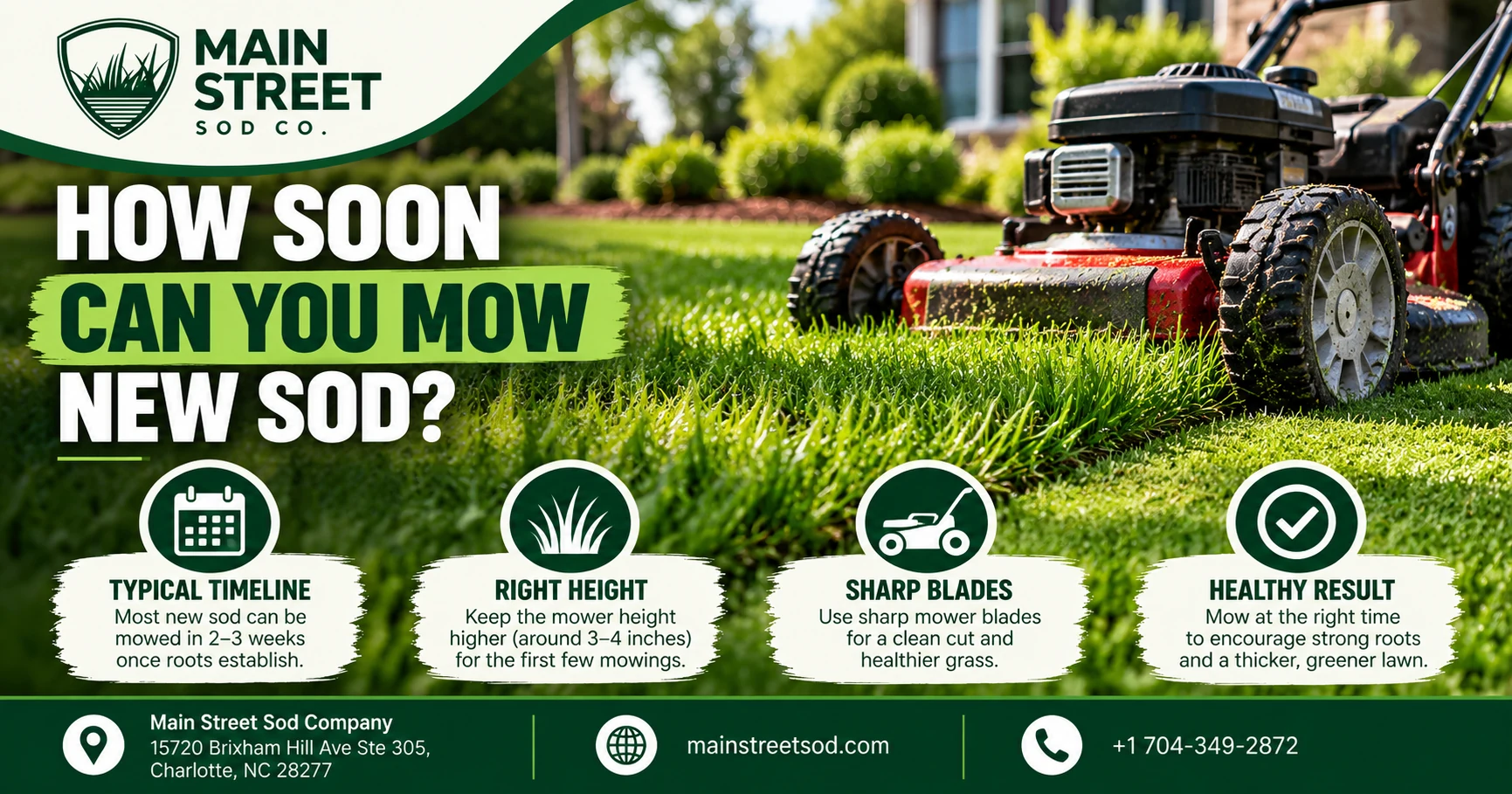
For best results, homeowners should follow proper watering, mowing, and fertilization practices during the first several weeks.
Early Care Requirements for Seed
Seed often demands more attention during the first several weeks.
The soil must remain consistently moist for successful germination.
Dry conditions can delay or prevent growth entirely.
Weed Competition
Seeded lawns frequently face weed competition while young grass is developing.
Because sod arrives as a dense surface, it generally provides better weed suppression from the beginning.
Establishment Risks
Heavy rainfall, wind, birds, and uneven watering can affect seeded lawns.
Sod is less vulnerable to many of these early-stage challenges.
Long-Term Maintenance
After establishment, both sod and seeded lawns require similar ongoing care.
This includes:
- Watering
- Mowing
- Fertilization
- Aeration
- Weed control
The primary maintenance difference occurs during the establishment period.
When Should You Choose Sod Over Seeding?
Certain situations make sod the more practical option.
Understanding these scenarios can help guide the decision-making process.
When Immediate Results Matter
Sod is ideal when a finished lawn is needed quickly.
This may include:
- Home sales
- New construction
- Commercial properties
- Special events
- Landscape renovations
Instant curb appeal is one of sod’s strongest advantages.
When Erosion Is a Concern
Properties with slopes or drainage issues often benefit from sod’s immediate soil stabilization.
Seed may take too long to provide adequate protection.
When Lawn Failure Is Not an Option
Some projects require dependable results.
Professional sod installation services provide a more predictable path to lawn establishment compared to seed.
This can reduce uncertainty and improve project outcomes.
When Time Is Limited
Many homeowners prefer not to spend months waiting for a lawn to develop.
Sod shortens the timeline dramatically.
When Professional Installation Adds Value
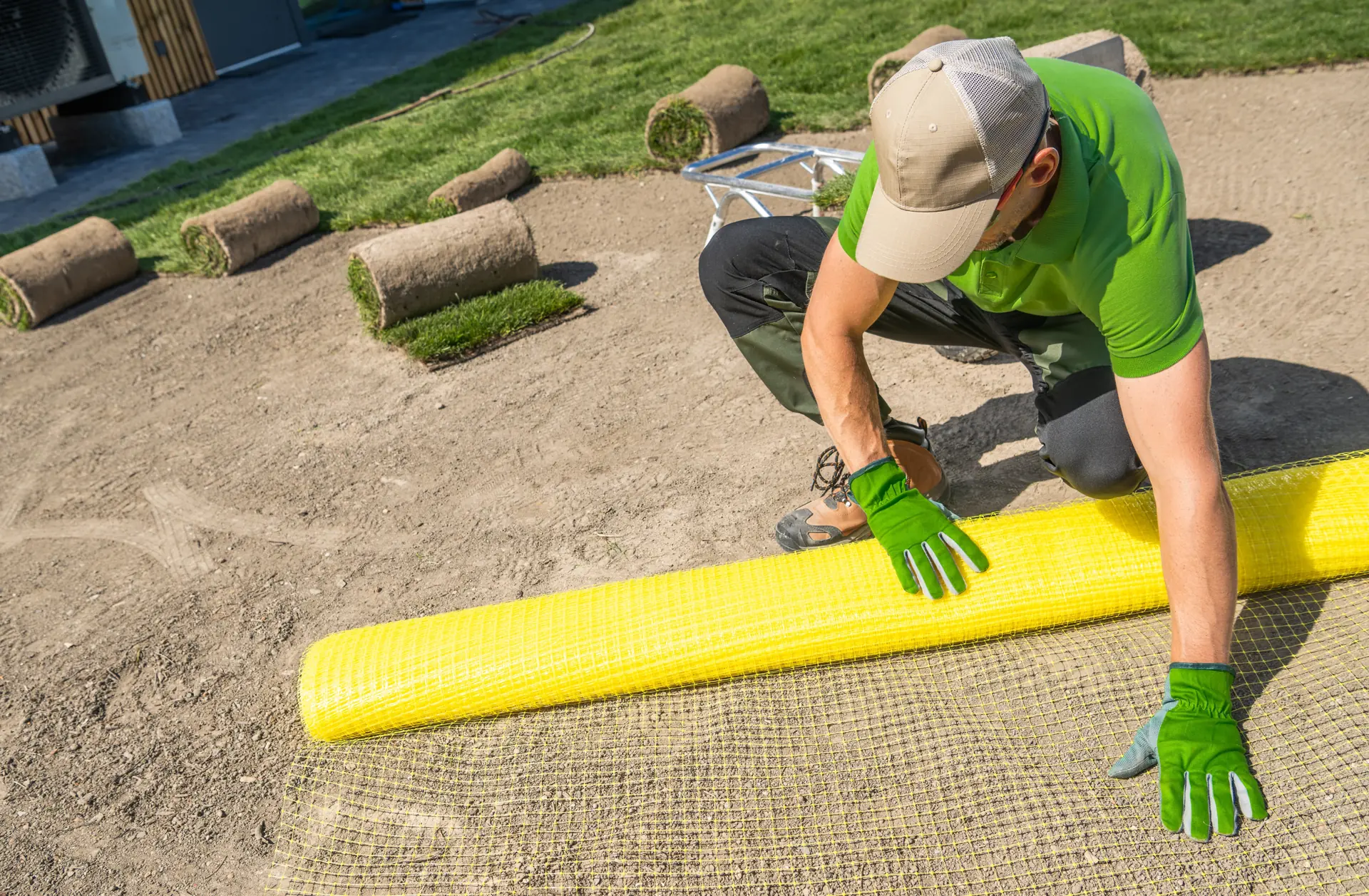
Working with a professional sod company often includes sod preparation, grading, installation expertise, and establishment guidance.
These services contribute to a stronger, healthier lawn from the beginning.
Situations Where Seed May Still Work
Seeding remains a viable option when budgets are limited, timelines are flexible, and property conditions support successful germination.
Both methods have a place depending on the project.
Create a Stronger Lawn From Day One
Choosing between sod and seed is about more than cost. It is about selecting the solution that best fits your property, timeline, and long-term expectations. At MainStreet Sod Company, we help homeowners evaluate their lawn goals and determine whether sod is the right investment for their situation.
We believe a successful lawn begins with proper preparation, quality materials, and expert installation. Our team focuses on creating healthy, durable lawns that establish quickly and provide lasting curb appeal. Whether you are replacing an aging lawn or starting fresh, we are here to help you make a confident decision.
Final Thoughts
Sod and seed can both produce attractive lawns, but they differ significantly in speed, cost, risk, and establishment requirements. Sod provides immediate coverage, faster usability, and more predictable results, while seed offers a lower upfront investment and flexibility for larger projects. The right choice depends on budget, timeline, property conditions, and personal priorities. Homeowners seeking rapid results and reduced establishment challenges often prefer sod. By understanding the benefits and limitations of each method, property owners can choose the solution that best supports long-term lawn health, appearance, and overall value.