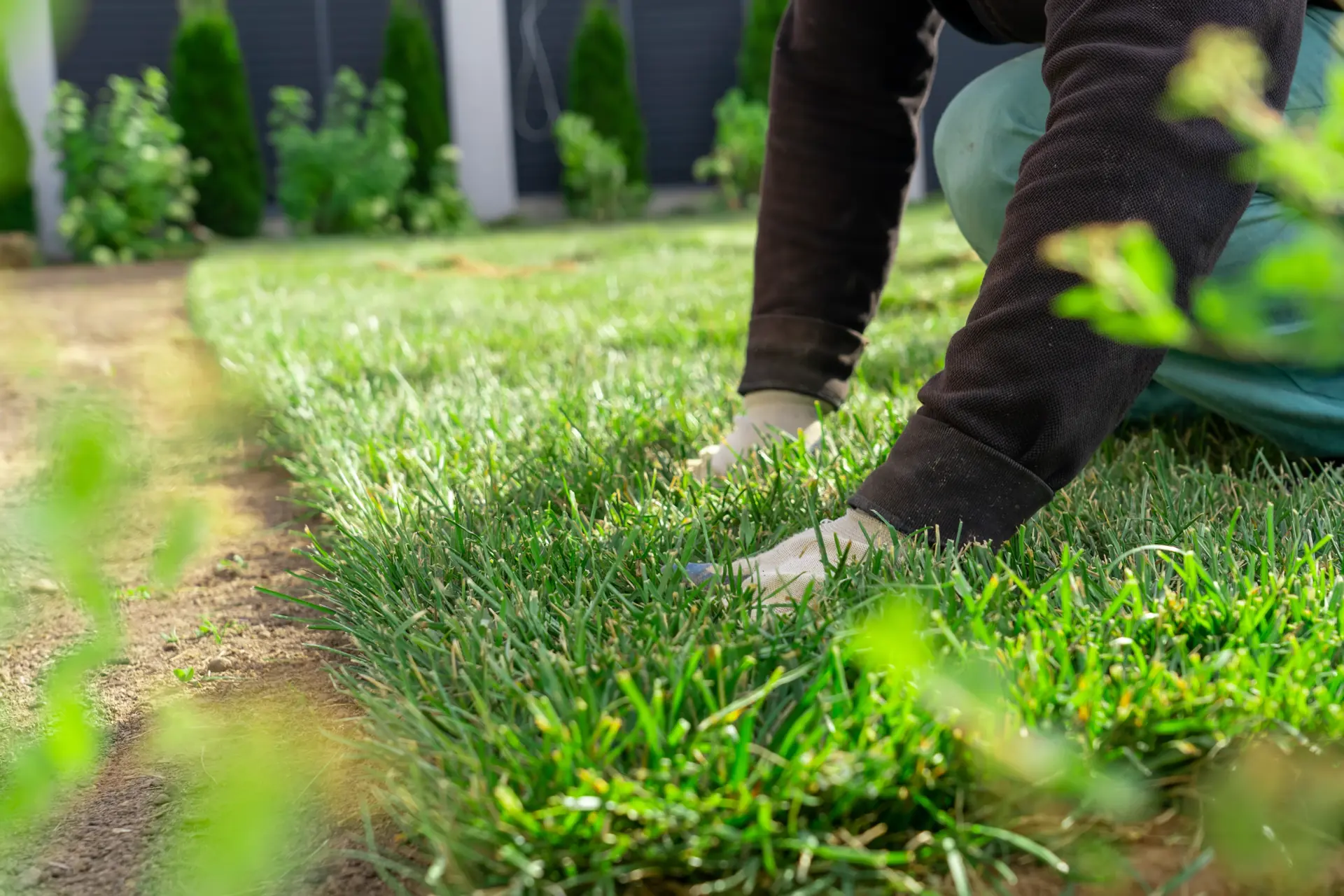
For a long time, sod replacement lived firmly in the “curb appeal” category. Homeowners replaced grass because it looked tired, patchy, or embarrassing from the street. If the lawn was green enough to pass a quick glance, most people considered it a success.
That way of thinking has changed.
Today, sod replacement is being driven by factors that go far beyond appearance. Water use, durability, soil health, property value, and how people actually use their outdoor space are all reshaping expectations. A lawn isn’t just something nice to look at anymore. It’s expected to hold up, drain properly, and support real life.
Sod replacement has quietly become a strategic decision, not a cosmetic one.
Why is Sod Replacement Becoming More Important Beyond Lawn Appearance?
Modern homeowners are asking very different questions than they did years ago.
Instead of:
“Does it look green?”
They’re asking:
“Can we actually use this space?”
“Why is it always muddy or uneven?”
“Why does it never fully recover?”
“How much water are we wasting trying to keep this alive?”
Older lawns often fail not because homeowners neglect them, but because the turf and soil have simply reached their limits. Years of foot traffic, shallow root growth, compacted soil, and poor drainage slowly take their toll. At a certain point, no amount of fertilizer or patching can fix what’s underneath.
Sod replacement has become more important because it solves problems that surface-level treatments can’t.
Beyond appearance, sod replacement helps:
- Reset compacted or damaged soil
- Improve drainage and surface stability
- Create consistent, usable ground
- Reduce ongoing maintenance struggles
A lawn that looks fine from a distance but fails under foot isn’t doing its job anymore. That’s where replacement, not repair, becomes the smarter option.
What Factors are Increasing Demand For Sod Replacement in Residential Areas?
The growing demand for sod replacement isn’t random. It reflects how people live today and what they expect from their outdoor spaces.
Several key factors are pushing homeowners toward replacement rather than endless patchwork fixes.
- Increased Outdoor Living
Backyards are no longer decorative. They’re used daily for play, gatherings, pets, and relaxation. That kind of use demands durable, resilient turf. - Water Awareness and Restrictions
Homeowners are far more aware of water usage and local restrictions. Lawns that constantly struggle often require excessive irrigation just to survive. Replacing sod with healthier grass reduces that demand. - Climate Stress
Hotter summers, unpredictable rainfall, and longer dry spells put older lawns under constant pressure. Many grass types simply weren’t designed for today’s conditions. - Soil Fatigue
Years of construction runoff, compaction, and neglect leave soil dense and nutrient-poor. Proper sod replacement resets the growing environment. - Higher Property Standards
As neighborhoods update, worn lawns stand out more. Replacement becomes about maintaining standards, not showing off.
Together, these factors have shifted sod replacement from an optional upgrade to a practical solution.
How Does Sod Replacement Improve Property Value and Outdoor Usability?
A lawn isn’t just scenery. It’s usable square footage.
When sod is healthy, level, and dense, it changes how a property feels and functions. Buyers notice immediately, but so do homeowners who live there every day.
Sod replacement improves property value by:
- Creating immediate visual impact
- Signaling proper maintenance and care
- Reducing future work for new owners
- Enhancing the perceived size of usable outdoor space
Usability is where the biggest difference shows up.
Fresh sod:
- Supports foot traffic without turning muddy
- Levels uneven or eroded areas
- Makes yards safer for kids and pets
- Encourages outdoor use instead of avoidance
A lawn that people avoid because it’s patchy or unstable is wasted space. Sod replacement turns that space back into something functional and enjoyable, which naturally increases perceived value.
What Environmental Benefits are Influencing the Rise in Sod Replacement Projects?
It may sound counterintuitive, but sod replacement is increasingly viewed as an environmentally responsible choice.
Struggling lawns are resource drains.
An unhealthy lawn often requires:
- More water
- More fertilizer
- More weed control
- More maintenance
Replacing failing grass with healthy, well-rooted sod reduces the need for constant intervention.
Environmental benefits influencing sod replacement include:
- Improved water absorption and reduced runoff
- Stronger root systems that prevent erosion
- Lower water consumption over time
- Reduced chemical usage due to healthier turf
- Better cooling effect around the home
Healthy sod acts as a natural filter, helping rainwater soak into the ground instead of flowing into storm drains. From an environmental standpoint, replacement is often more sustainable than repeated attempts to prop up a failing lawn.
The Shift From Lawn Repair to Lawn Reset
There’s a clear mindset change happening.
Homeowners are realizing that constant repair is often more expensive and frustrating than starting fresh. Overseeding, patching, fertilizing, and watering can drag on for years without delivering consistent results.
Sod replacement offers a clean reset.
That reset allows:
- Proper soil preparation
- Correct grading and leveling
- Selection of grass suited to current conditions
- Immediate, predictable results
In a world where time and resources are limited, predictability matters.
Why “Good Enough” Lawns No Longer Satisfy
Uneven grass and thin patches used to be tolerated. Lawns were background features.
Now, they’re front and center.
People spend more time at home. Outdoor spaces are used daily, photographed often, and expected to perform. A lawn that looks “good enough” but feels frustrating underfoot no longer meets expectations.
Sod replacement delivers consistency, and consistency is what modern homeowners value most.
Sod Replacement as a Long-Term Cost Decision
Another major driver behind increased demand is financial clarity.
Struggling lawns are expensive in quiet ways:
- Higher water bills
- Repeated service calls
- Ongoing product purchases
- Time spent troubleshooting
Sod replacement consolidates those costs into a single, planned investment.
Over time, many homeowners find:
- Water usage stabilizes
- Maintenance becomes simpler
- The lawn needs less intervention
- Unexpected expenses decrease
Replacement is no longer viewed as wasteful. It’s viewed as cost control.
Why Sod Replacement Reflects Changing Homeowner Priorities
At its core, this shift reflects how people view their homes today.
Homes are investments, workplaces, and lifestyle spaces. Lawns are no longer decorative extras. They’re functional surfaces.
Sod replacement aligns with priorities like:
- Efficiency
- Durability
- Environmental responsibility
- Quality of life
That alignment explains why demand keeps growing.
Building Lawns for the Way People Live Now
A Fresh Lawn That Does More Than Look Good
At MainStreet Sod Company, sod replacement is about more than appearance. It’s about creating outdoor spaces that function, last, and match how homeowners live today. Their sod solutions are selected and installed with durability, performance, and long-term value in mind.
If your lawn is no longer keeping up with your needs or expectations, it may be time for a reset instead of another repair. Contact MainStreet Sod Company and discover how modern sod replacement can turn your yard into a space you actually use and enjoy.