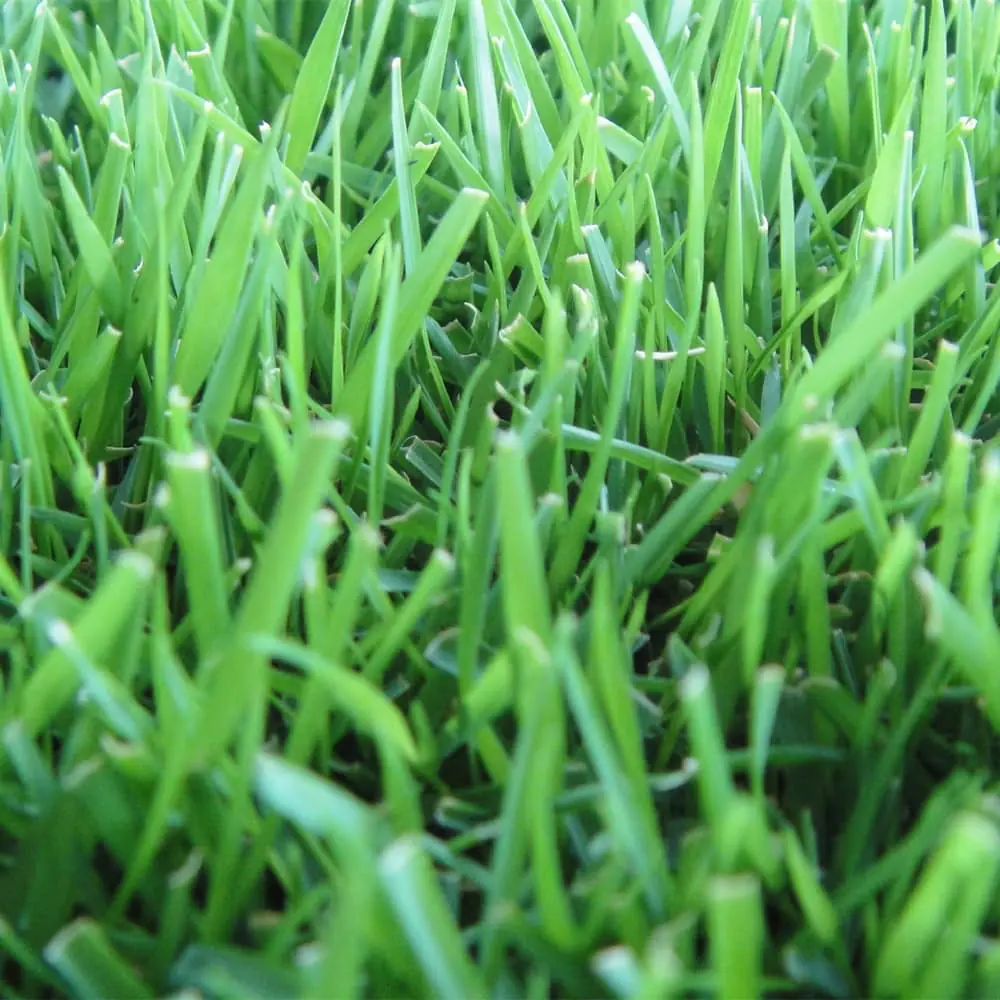
Artificial turf typically lasts 15 to 20 years, while natural sod can remain healthy for decades when properly maintained. The lifespan of any turf grass installation depends on the quality of materials, installation methods, climate conditions, and ongoing care.
Property owners often want to know how long their investment will continue looking attractive and performing well. Whether you are considering artificial turf for a low-maintenance landscape or natural sod for a lush lawn, understanding durability expectations helps you make informed decisions. Knowing what affects turf longevity can also help maximize your investment and reduce future replacement costs.
What Is the Lifespan of Artificial Turf?
Artificial turf is designed for long-term performance. Most high-quality systems last between 15 and 20 years before replacement becomes necessary.
The answer to how long artificial turf lasts depends on several factors, including product quality, installation standards, foot traffic, and environmental exposure.
Quality Matters
Premium artificial turf products use stronger fibers, advanced UV protection, and durable backing materials. These features help resist fading, matting, and wear over time.
Lower-quality products may begin showing signs of deterioration much sooner, especially in high-traffic areas.
Traffic Levels Influence Lifespan
A residential lawn used occasionally may remain in excellent condition for two decades or more.
Commercial properties, playgrounds, pet areas, and sports fields experience heavier use, which can shorten the turf’s lifespan.
Environmental Conditions
Sun exposure, weather patterns, and drainage quality all play a role in longevity. Turf installed with proper drainage and UV-resistant materials typically performs better over the years.
Although artificial turf does not require mowing or watering, routine maintenance remains important for preserving appearance and function.
How Long Does Sod Take to Establish?
Natural sod follows a different timeline than artificial turf. While sod looks complete immediately after installation, it requires time for root development and full establishment.
Initial Root Development
Most sod begins developing roots within 10 to 14 days when properly watered.
During this period, avoiding excessive foot traffic is important because the roots are still attaching to the soil below.
Full Establishment Timeline
Most lawns become moderately established within four to six weeks.
However, complete root integration often takes several months depending on grass type, soil conditions, weather, and maintenance practices.
Seasonal Differences
Warm-season grasses generally establish faster during active growing periods.
Cool-season grasses may require additional time, particularly during periods of slower growth.
Long-Term Longevity
Unlike artificial turf, natural sod does not have a fixed expiration date. A healthy lawn can last indefinitely when properly maintained.
Routine mowing, fertilization, aeration, irrigation, and weed control all contribute to long-term success.
When installed correctly and cared for consistently, sod provides a natural landscape solution that can remain attractive for many years.
What Factors Affect Turf Durability?
Several factors determine how long turf will remain functional, healthy, and visually appealing.
Understanding these variables helps homeowners protect their investment and achieve maximum lifespan.
Installation Quality
The installation process is one of the most important factors affecting durability.
Improper grading, inadequate soil preparation, poor drainage, or incorrect compaction can create long-term problems.
Professional sod installation helps ensure the turf performs as intended and avoids premature failure.
Drainage Performance
Water management directly impacts both natural and artificial turf.
Poor drainage can lead to:
- Soil erosion
- Root diseases
- Standing water
- Turf displacement
- Surface deterioration
Effective drainage systems extend turf life and improve overall performance. In some cases, proper grading and leveling may be necessary to correct drainage concerns before installation.
Climate Conditions
Regional weather patterns influence durability.
Extreme heat, prolonged drought, heavy rainfall, and freezing temperatures can all affect turf differently.
Selecting grass varieties and materials suitable for local conditions supports longer-lasting results. Homeowners can explore various turf options to find the best match for their environment.
Soil Quality
For natural sod, healthy soil serves as the foundation for growth.
Compacted or nutrient-deficient soil can weaken root systems and reduce turf performance.
Regular soil testing helps identify deficiencies before they become serious issues. Proper topsoil installation can improve soil conditions and support healthier turf development.
Foot Traffic
Heavy use creates wear regardless of turf type.
Areas near patios, walkways, playgrounds, and entry points often experience faster deterioration.
Distributing traffic patterns and addressing worn spots promptly can extend lifespan.
Product Selection
Not all turf products are created equally.
Choosing high-quality materials suited for the intended use often leads to better durability and lower long-term costs.
Investing in superior products typically results in fewer repairs and longer service life. For natural lawns, selecting the right grass variety is equally important. Resources such as The Ultimate Guide to Choosing the Right Sod for Your Lawn can help homeowners make informed decisions.
Does Maintenance Impact How Long Turf Lasts?
Maintenance plays a major role in determining turf longevity.
Even the highest-quality installation can experience premature wear if routine care is neglected.
Maintaining Natural Sod
Natural grass requires consistent attention to remain healthy.
Proper Watering
Deep, infrequent watering encourages stronger root growth.
Overwatering can increase disease risks and weaken turf health.
Regular Mowing
Maintaining the recommended mowing height promotes healthy growth and reduces stress.
Removing too much grass at one time can damage the lawn.
Fertilization
Nutrients support vigorous growth and improve resistance to pests, diseases, and environmental stress.
Following a seasonal fertilization program helps maintain turf quality.
Aeration
Aeration reduces soil compaction and improves oxygen movement to roots.
This practice promotes stronger growth and healthier lawns.
For more maintenance guidance, homeowners can review How to Maintain Your Sod: Watering, Mowing, and Fertilization Tips.
Maintaining Artificial Turf
Artificial turf requires less maintenance but should not be ignored.
Debris Removal
Leaves, branches, and organic material should be removed regularly.
Accumulated debris can affect drainage and appearance.
Brushing Fibers
Periodic brushing helps keep fibers upright and maintains a natural appearance.
This is especially important in high-traffic areas.
Cleaning Surfaces
Occasional rinsing removes dust, dirt, and pet-related contaminants.
Routine cleaning preserves appearance and functionality.
Preventative Care Pays Off
Addressing minor issues early prevents larger problems later.
Whether maintaining natural sod or synthetic turf, consistent care can significantly extend lifespan and reduce replacement costs.
When Should Turf Be Replaced?
Eventually, all turf systems reach a point where replacement becomes the most practical option.
Recognizing the signs early helps property owners plan accordingly.
Signs Artificial Turf Needs Replacement
Common indicators include:
- Significant fiber wear
- Matting that cannot be restored
- Visible backing material
- Persistent drainage issues
- Fading from UV exposure
- Loose seams or damaged sections
When repairs become frequent and widespread, replacement often provides a better long-term solution.
Signs Natural Sod May Need Replacement
Although natural lawns can last indefinitely, severe damage sometimes warrants renovation or replacement.
Warning signs include:
- Extensive bare patches
- Chronic weed infestations
- Repeated disease outbreaks
- Severe soil compaction
- Poor drainage problems
- Weak root systems
In some situations, correcting underlying soil issues and installing new sod may be the most effective approach. Property owners experiencing these issues may benefit from reading When Sod Replacement Isn’t Optional: The Silent Signs Your Lawn Is Beyond Repair.
Professional Assessment
A professional evaluation helps determine whether repairs, renovation, or complete replacement offers the best value.
Early intervention often saves money and prevents larger landscape problems.
Growing Stronger Lawns Starts Here
A long-lasting lawn begins with expert planning, quality materials, and proper installation. At MainStreet Sod Company, we understand that every property has unique soil conditions, drainage requirements, and performance expectations. Whether you are considering natural sod or researching options related to turf installation in Charlotte, NC, we help property owners make informed decisions that support long-term success.
Our team focuses on creating healthy, durable lawns designed to thrive in local conditions. We believe the right installation today leads to fewer repairs, stronger growth, and better curb appeal for years to come. If you’re ready to improve your outdoor space, we’re here to help through our professional sod installation services.
Final Thoughts
The lifespan of turf depends on the type of installation, environmental conditions, usage levels, and maintenance practices. Artificial turf generally lasts 15 to 20 years, while natural sod can remain healthy for decades when properly cared for. Quality installation, effective drainage, routine maintenance, and prompt attention to minor issues all contribute to longer-lasting performance. Whether choosing synthetic turf or natural grass, understanding durability factors helps maximize value and protect your investment. With proper planning and ongoing care, a professionally installed turf system can provide beauty, functionality, and reliability for many years.