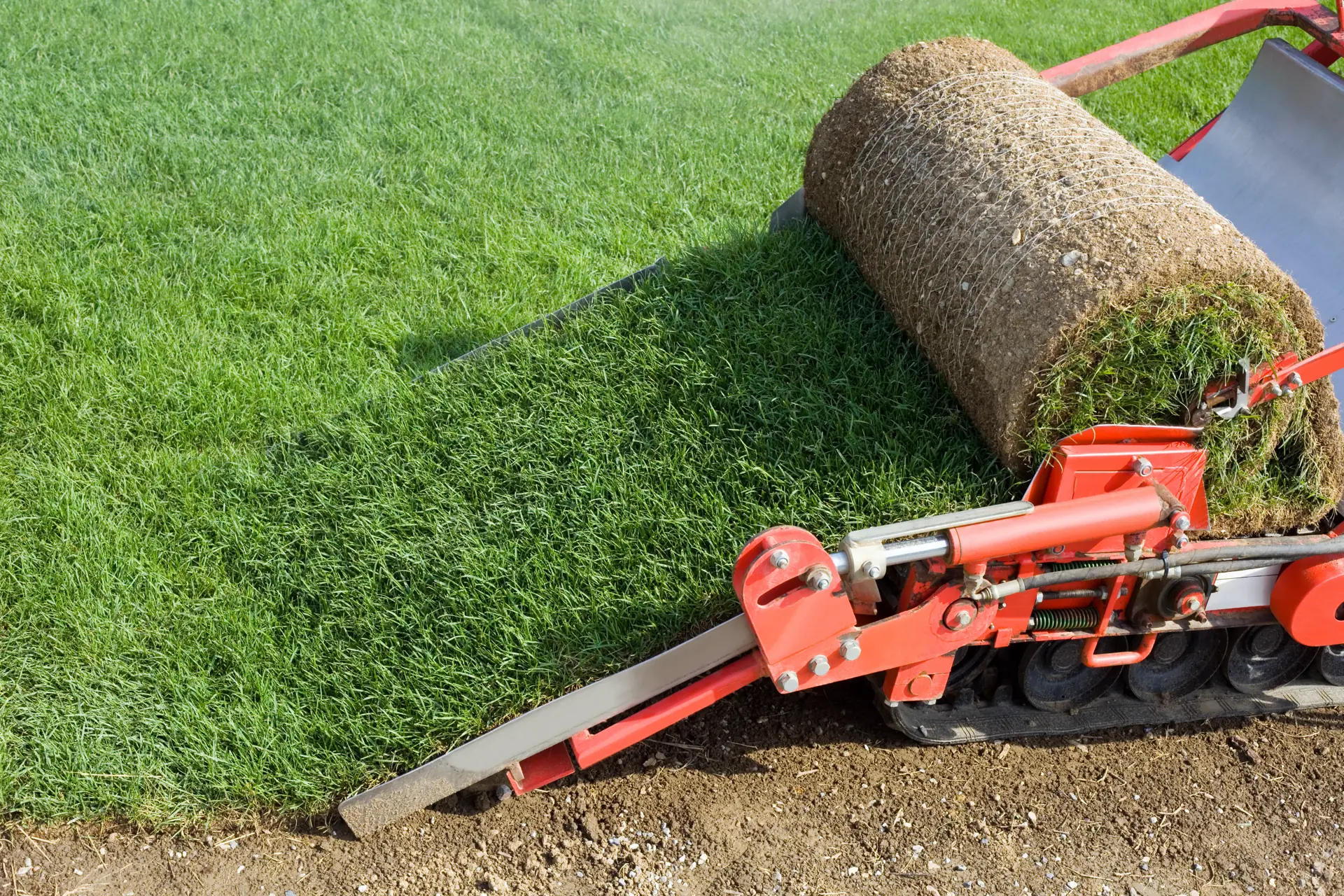
Artificial turf offers long-term durability, low maintenance requirements, and year-round curb appeal, but it also comes with higher upfront costs and certain environmental considerations. Understanding the pros and cons of artificial turf helps homeowners determine whether synthetic grass is the right investment for their property.
Many property owners are looking for alternatives to traditional lawns that require constant mowing, watering, fertilizing, and upkeep. Artificial turf has become increasingly popular because it provides a consistently green appearance with less maintenance. However, like any landscape solution, it comes with advantages and limitations. Evaluating both sides can help you make a confident decision that aligns with your budget, lifestyle, and long-term property goals.
What Are the Benefits of Artificial Turf?
Artificial turf offers several advantages that attract homeowners, businesses, schools, and recreational facilities.
Its popularity continues to grow because it addresses many common lawn maintenance challenges.
Reduced Maintenance Requirements
One of the biggest advantages of synthetic grass is the significant reduction in routine lawn care.
Unlike natural grass, artificial turf does not require:
- Weekly mowing
- Fertilizing
- Seeding
- Weed treatments
- Regular irrigation
This can save both time and money throughout the year.
Consistent Appearance
Natural lawns can develop bare spots, weeds, discoloration, and seasonal stress.
Artificial turf maintains a uniform green appearance regardless of weather conditions.
Property owners appreciate having a lawn that looks professionally maintained throughout every season.
Water Conservation
Water restrictions and rising utility costs have made conservation a priority in many communities.
Artificial turf dramatically reduces outdoor water consumption because it does not require irrigation for growth.
This benefit can contribute to long-term savings while supporting environmental conservation efforts.
Improved Durability
Modern turf products are engineered to withstand heavy foot traffic.
Families, pet owners, and commercial property managers often choose synthetic grass because it remains functional even in frequently used areas.
High-quality systems can perform well for 15 to 20 years when properly maintained.
Fewer Lawn-Related Expenses
While installation costs are higher initially, ongoing maintenance expenses are often lower.
Reduced spending on lawn equipment, fertilizers, pesticides, irrigation repairs, and landscaping services can offset part of the initial investment over time.
Homeowners comparing synthetic grass to natural lawns may also benefit from understanding the long-term value of professional sod installation and how maintenance requirements differ over time.
What Are the Disadvantages of Synthetic Grass?
Although artificial turf offers numerous benefits, it is important to consider the potential drawbacks before making a decision.
Every landscape solution involves trade-offs.
Higher Initial Investment
The upfront cost of turf installation is typically higher than installing natural sod.
Professional site preparation, drainage systems, materials, and labor all contribute to the overall project cost.
Many property owners view this as a long-term investment rather than a short-term expense.
Surface Heat Retention
Synthetic grass can become warmer than natural grass during periods of intense sunlight.
This is particularly noticeable during hot summer months.
Surface temperatures may require occasional cooling measures in some environments.
Limited Natural Benefits
Natural grass contributes to oxygen production, carbon absorption, and soil health.
Artificial turf does not provide these environmental benefits.
Homeowners who prioritize ecological functions may prefer maintaining portions of natural landscaping alongside turf.
Replacement Costs
Although synthetic grass lasts many years, it will eventually require replacement.
Depending on usage levels and environmental conditions, replacement may become necessary after 15 to 20 years.
Planning for future replacement costs is part of long-term ownership.
Installation Quality Matters
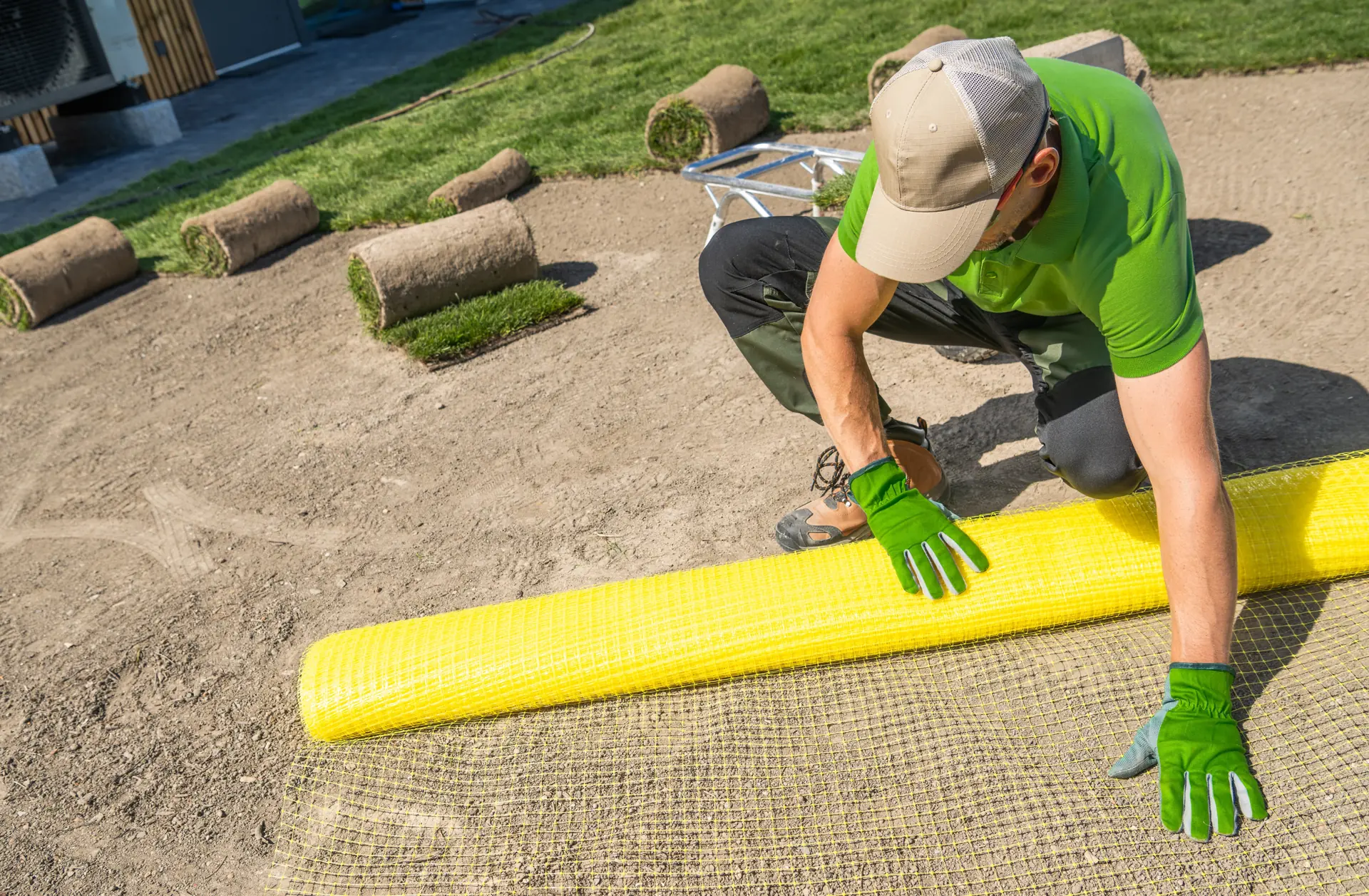
Poor installation can create problems such as uneven surfaces, drainage issues, shifting materials, and premature wear.
Working with experienced professionals helps minimize these risks and improve overall performance. Proper soil preparation before installing sod is equally important when considering natural grass alternatives.
Does Turf Increase Property Value?
Artificial turf can contribute positively to property value under the right circumstances.
However, the impact varies depending on local market preferences and buyer expectations.
Enhanced Curb Appeal
A well-maintained landscape creates a strong first impression.
Because artificial turf remains green year-round, it often improves visual appeal compared to neglected or struggling natural lawns.
This enhanced appearance may attract potential buyers.
Lower Maintenance Appeal
Many buyers appreciate properties that require less routine upkeep.
Artificial turf appeals to homeowners seeking convenience, especially those with busy schedules or limited time for lawn care.
Reduced maintenance can be a valuable selling point.
Regional Considerations
Market response often depends on climate conditions.
In areas where drought conditions or water restrictions are common, synthetic grass may be viewed as a practical feature.
In regions where lush natural lawns are highly valued, buyer preferences may differ.
Return on Investment
Artificial turf should not be viewed solely as a property value enhancement.
Its greatest benefits often come from long-term maintenance savings, durability, and convenience.
When installed professionally and maintained properly, it can contribute positively to overall property appeal.
Homeowners evaluating lawn investments may also find value in understanding how sod delivery can impact curb appeal and property value.
Is Artificial Turf Safe for Pets and Kids?
Safety is one of the most common concerns among homeowners considering artificial turf.
Modern turf products are generally designed with family use in mind.
Child-Friendly Surfaces
Many synthetic grass systems include cushioning layers that help reduce impact during play.
This makes them popular for:
- Playgrounds
- Daycare centers
- Schools
- Residential backyards
Proper installation enhances safety and surface stability.
Pet-Friendly Features
Artificial turf is widely used in pet areas because it resists digging, mud formation, and wear.
Many systems are specifically designed with efficient drainage to handle pet waste and cleaning requirements.
This helps maintain a cleaner outdoor environment.
Reduced Chemical Exposure
Natural lawns often require fertilizers, herbicides, and pesticides.
Artificial turf eliminates many of these products, reducing potential exposure to lawn chemicals.
This is an appealing benefit for families with children and pets.
Routine Cleaning Remains Important
Although synthetic grass can be safe for regular use, cleanliness still matters.
Periodic rinsing, debris removal, and sanitation help maintain a hygienic environment.
Following manufacturer recommendations ensures optimal performance and safety.
Does Turf Get Too Hot in the Sun?
Heat retention is one of the most frequently discussed concerns regarding artificial turf.
The answer depends on several factors.
Why Turf Gets Warm
Synthetic fibers absorb and retain solar energy differently than natural grass.
As a result, turf surfaces can become noticeably warmer during sunny conditions.
Dark-colored materials often absorb more heat than lighter surfaces.
Factors Affecting Temperature
Several variables influence surface temperature:
- Direct sunlight exposure
- Air temperature
- Turf color
- Infill material
- Wind conditions
- Shade coverage
Each installation performs differently depending on these factors.
Managing Surface Heat
Several strategies can help reduce heat buildup.
Strategic Shade
Trees, pergolas, and shade structures can lower surface temperatures significantly.
Cooling Rinses
A brief water rinse can temporarily cool the turf surface before outdoor activities.
Advanced Turf Technology
Many newer turf products incorporate cooling technologies designed to reduce heat retention.
These innovations continue to improve user comfort.
Practical Expectations
For most homeowners, heat is manageable with proper planning and realistic expectations.
Understanding local climate conditions helps determine whether synthetic turf is a suitable choice for a specific property.
A Smarter Approach to a Better Lawn
Choosing between natural grass and artificial turf requires balancing appearance, maintenance, durability, and long-term goals. At MainStreet Sod Company, we help property owners evaluate the best solution for their landscape needs. Whether you’re researching natural sod options or considering lawn upgrades, we believe every project deserves careful planning and expert guidance.
We focus on helping homeowners create outdoor spaces that remain attractive, functional, and manageable throughout the year. Our team is committed to providing solutions that fit your property, lifestyle, and expectations without unnecessary complexity.
For homeowners considering natural grass, our professional sod installation services provide an efficient way to achieve a healthy, attractive lawn with long-term performance benefits.
Final Thoughts
Artificial turf offers numerous advantages, including reduced maintenance, water conservation, durability, and year-round curb appeal. At the same time, property owners should consider factors such as higher installation costs, heat retention, and eventual replacement needs.
The best choice depends on your budget, property goals, climate conditions, and maintenance preferences. Understanding both the benefits and limitations allows for a more informed decision. Whether selecting natural grass or synthetic turf, professional installation and proper planning remain critical to achieving long-term performance, appearance, and overall satisfaction with your landscape investment.