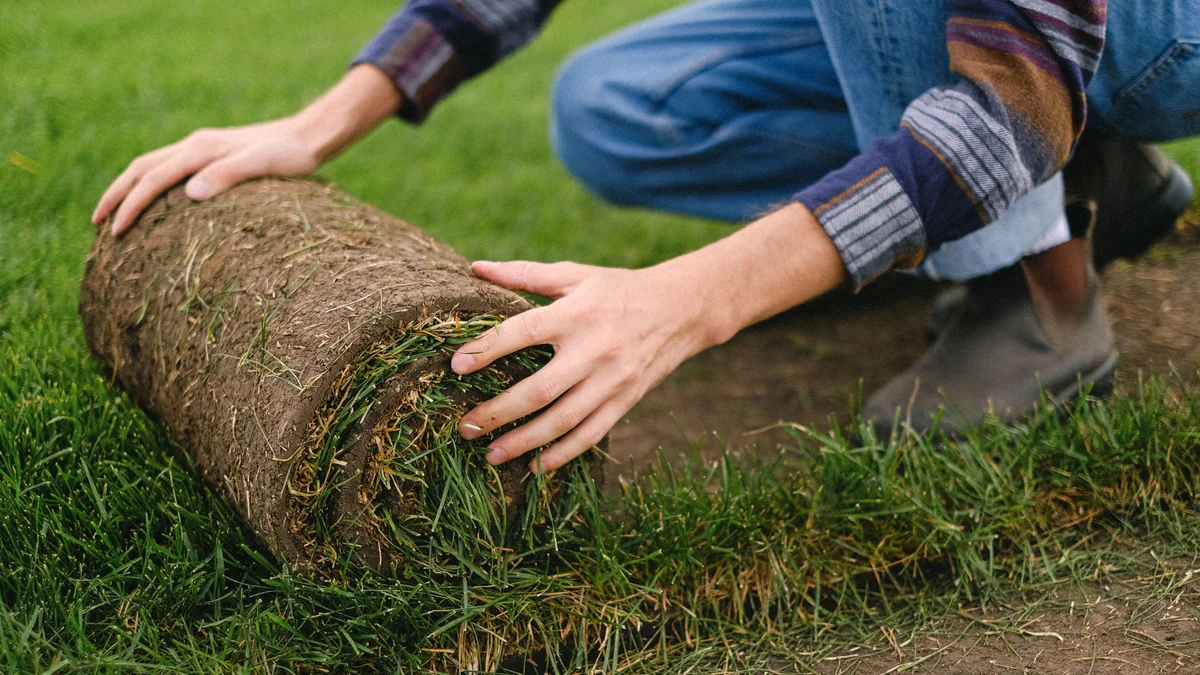
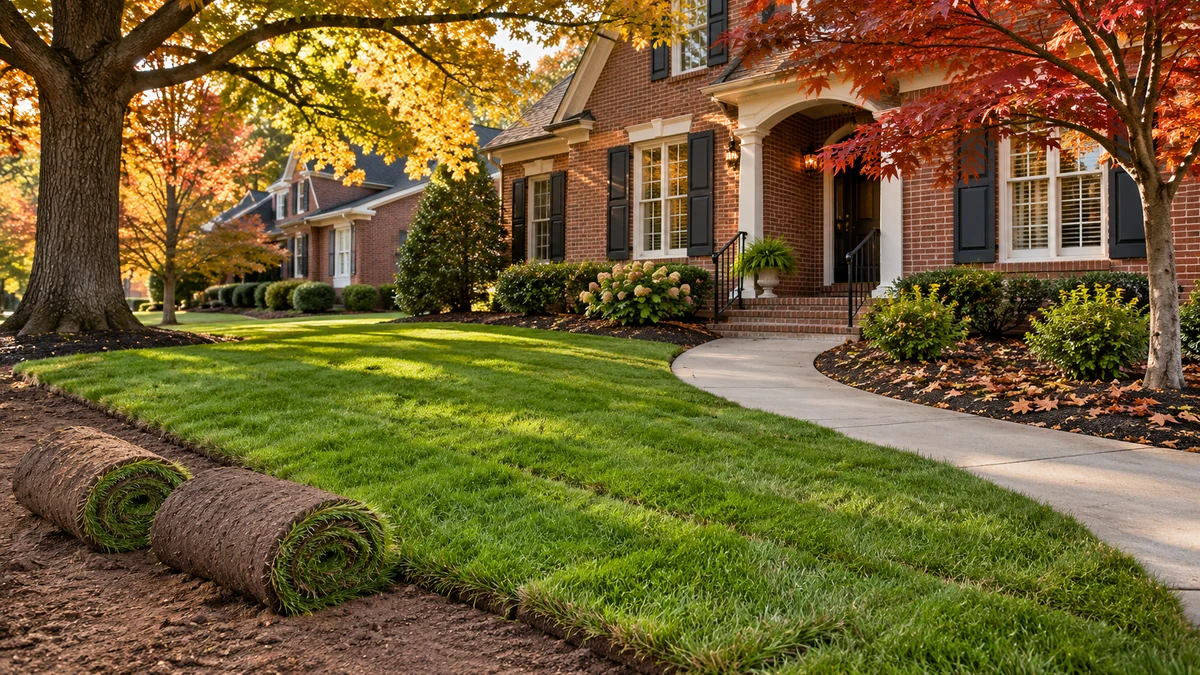
Freshly installed sod can transform a Charlotte yard almost overnight, but extreme summer temperatures can quickly put that beautiful new lawn under stress. To protect new sod during a heat wave, homeowners need to maintain consistent soil moisture, adjust irrigation according to weather conditions, limit foot traffic, and watch for early signs of heat damage. These steps help developing roots stay hydrated while reducing the risk of drying, browning, and poor establishment.
Charlotte’s hot, humid summers can be especially challenging for recently installed grass. Even when sod looks healthy immediately after installation, its roots may not yet be connected to the underlying soil. Knowing how to respond when temperatures climb can help homeowners protect their investment and give their new lawn a better opportunity to recover from summer stress.
Quick Answer: How Do You Protect New Sod During a Heat Wave?
The best way to protect new sod during a heat wave is to keep the sod and underlying soil consistently moist without creating waterlogged conditions. Homeowners should inspect the lawn frequently, pay extra attention to exposed edges and sunny areas, and adjust watering based on how quickly the soil dries.
New sod is particularly vulnerable during its early establishment period because its root system has not fully developed into the soil beneath it.
Unlike an established lawn, freshly installed turf cannot efficiently draw moisture from deeper soil layers.
When extreme temperatures arrive, this limitation becomes more noticeable.
A few practical actions can make a difference.
Heat-wave sod care checklist:
- Check moisture beneath the sod rather than looking only at the grass blades.
- Water early in the morning when possible.
- Increase moisture monitoring during unusually hot or windy weather.
- Check edges, corners, slopes, and areas receiving intense afternoon sunlight.
- Avoid standing water and persistently saturated soil.
- Keep children, pets, and unnecessary foot traffic off the lawn.
- Watch for wilting, curling blades, shrinking seams, and unusual browning.
- Delay unnecessary mowing, fertilizing, and other stressful lawn activities.
- Contact a sod professional if damage spreads or the grass fails to respond to appropriate care.
There is no single watering schedule that works for every Charlotte lawn.
Grass variety, soil drainage, temperature, rainfall, and root establishment all influence how much moisture new sod needs.
How Extreme Heat Stresses Newly Installed Sod
A newly installed lawn may look complete from the sidewalk, but important changes are still happening beneath the surface.
The sod’s existing roots must grow into the prepared soil before the turf becomes firmly established.
Until that happens, the grass has limited access to moisture below its original root layer.
Extreme heat increases the challenge.
Moisture Escapes More Quickly
High temperatures increase evaporation from the soil and water loss from grass through transpiration.
When moisture disappears faster than new roots can absorb it, the grass begins experiencing water stress.
The first signs may be subtle.
Blades may fold or curl, and certain areas may begin losing their normal color.
If the condition continues, the grass can become brown and dry.
The Root System Is Still Limited
Established turf generally has a more developed root system.
Recently installed sod depends heavily on moisture near its original root zone while new roots grow into the underlying soil.
During a heat wave, this shallow rooting makes the grass vulnerable.
Even a short period of excessive drying can affect sensitive areas.
Heat Can Slow Establishment
Root growth depends on suitable soil temperatures and moisture levels.
When conditions become excessively hot, root development may slow.
The grass may direct more of its resources toward surviving stressful conditions rather than expanding its root system.
This can extend the establishment period.
Different Grasses Respond Differently
Charlotte homeowners commonly install Bermuda, Zoysia, and tall fescue sod.
Bermuda and Zoysia are warm-season grasses that generally grow actively during summer.
However, even these varieties can experience stress when roots are newly installed and moisture is insufficient.
Tall fescue is a cool-season grass.
It is particularly vulnerable to Charlotte’s extended periods of summer heat, especially when newly installed.
Understanding these differences is important when deciding how to protect new sod during a heat wave.
How to Adjust Watering Safely During Hot Weather
Watering is often the first thing homeowners think about when summer temperatures climb.
However, increasing irrigation without checking the soil can create another problem.
The goal is to replace moisture lost during hot conditions while maintaining enough oxygen in the soil for healthy root development.
Check the Moisture Beneath the Sod
The appearance of the grass surface does not always reveal what is happening below.
A lawn may look damp while the underlying soil remains dry.
During early establishment, homeowners can carefully lift a small corner of a sod piece to inspect the soil.
The root layer and underlying soil should be moist.
If the soil feels dry, irrigation may need adjustment.
If water is pooling beneath the sod, the area may be receiving too much.
This inspection should be done gently to avoid disturbing developing roots.
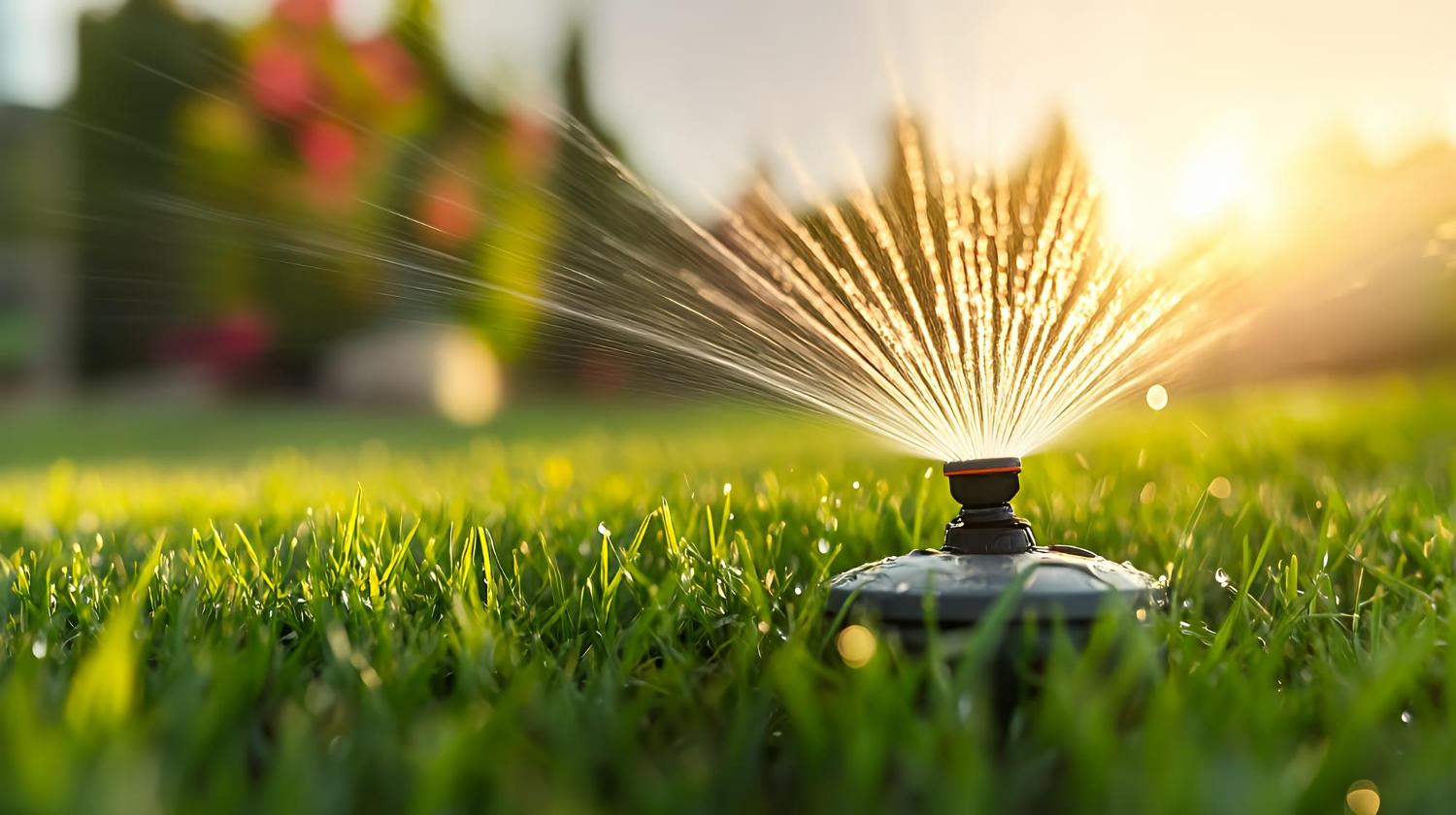
Pay Attention to Irrigation Coverage
Automatic sprinkler systems do not always water evenly.
A misaligned sprinkler head may leave one section dry while another area receives excessive moisture.
This becomes particularly noticeable during extreme heat.
Homeowners should observe sprinkler performance and look for dry patches.
Areas beside driveways, sidewalks, fences, and retaining walls may need additional attention because of exposure and irrigation patterns.
Adjust for Rainfall and Wind
A summer thunderstorm may supply enough water to reduce irrigation needs temporarily.
However, not every storm provides uniform moisture.
Some Charlotte neighborhoods may receive a heavy downpour while nearby areas remain relatively dry.
Wind can also increase moisture loss.
Homeowners should monitor their actual property conditions rather than relying only on the weather forecast.
Water the Root Zone, Not Just the Grass Surface
Lightly spraying the tops of grass blades may make the lawn appear refreshed.
However, the moisture must reach the sod’s root layer and the soil beneath it to support establishment.
A suitable watering approach should provide enough moisture for the developing roots without producing prolonged saturation.
As roots become established, irrigation can gradually shift toward supporting deeper growth.
Why Morning Watering Usually Matters Most
Early morning is generally the preferred time for watering turfgrass.
Temperatures are usually lower, winds may be calmer, and less water is lost to evaporation compared with the hottest part of the afternoon.
For newly installed sod, morning irrigation can help prepare the lawn for the coming day’s heat.
Morning Water Reaches the Soil More Efficiently
When irrigation runs during cooler morning conditions, a greater portion of the applied water may reach the soil.
This can improve watering efficiency.
It also provides an opportunity to inspect the lawn before temperatures rise.
Afternoon Watering May Still Be Necessary
Homeowners sometimes hear that watering during the afternoon will automatically burn grass.
This is a common misconception.
Water droplets do not generally cause turfgrass to burn simply because the sun is shining.
In fact, newly installed sod experiencing severe moisture stress may need supplemental watering during the day.
A homeowner should not allow fresh sod to dry excessively just to follow a preferred morning schedule.
However, repeated light spraying without adequately moistening the root zone may be ineffective.
Avoid Unnecessary Overnight Wetness
Repeated watering late in the evening can leave grass blades wet for extended periods.
Under some conditions, prolonged leaf wetness contributes to an environment favorable to turf diseases.
Charlotte’s humid summer weather can make this concern especially relevant.
Where possible, irrigation should be planned to provide appropriate root-zone moisture without keeping the lawn unnecessarily wet overnight.
Morning Watering Is a Starting Point, Not a Fixed Rule
The best irrigation approach changes as sod establishes.
A lawn installed recently during extreme heat may need different watering adjustments from grass that has already developed roots into the soil.
The key is responding to actual moisture conditions.
Homeowners trying to protect new sod during a heat wave should focus on maintaining suitable moisture rather than following the clock without checking the lawn.
How to Avoid Overwatering While Preventing Dry-Out
It may seem that applying more water is always safer during hot weather.
Unfortunately, that is not the case.
New sod needs water, but its developing roots also require oxygen.
When soil remains saturated for extended periods, oxygen availability decreases.
This can interfere with root development and contribute to turf decline.
Charlotte’s clay-rich soils can make overwatering particularly problematic.
Signs the Sod May Be Too Dry
Homeowners should watch for:
- Grass blades folding or curling.
- A dull, bluish-gray appearance.
- Dry soil beneath the sod.
- Shrinking or separating sod seams.
- Grass that remains wilted after cooler temperatures return.
- Brown patches developing in highly exposed areas.
These signs may indicate that moisture is insufficient, although some symptoms can also result from other problems.
Signs the Lawn May Be Receiving Too Much Water
Excessive irrigation may produce:
- Standing water after sprinklers stop.
- Persistently muddy soil.
- Soft, unstable ground beneath the sod.
- Water running across sidewalks or driveways.
- Grass declines in areas that remain constantly wet.
- Poor rooting despite frequent irrigation.
Some of these symptoms may also indicate existing drainage problems.
A Practical Moisture Check
Homeowners can inspect the soil beneath a sod edge or use a soil probe in an accessible area.
The soil should feel moist without being continuously saturated.
A small amount of moisture near the surface may not be sufficient if the underlying root zone remains dry.
Likewise, standing water does not mean the grass is receiving healthier care.
Remember That Different Areas Dry at Different Rates
One side of the yard may receive full afternoon sunlight.
Another may remain shaded by trees or buildings.
A sloped section may lose water through runoff, while a low area may collect excess moisture.
Applying identical amounts of water everywhere may create uneven results.
Irrigation should reflect these differences whenever possible.
Why Foot Traffic Should Be Limited During Heat Stress
A new lawn can be tempting.
After watching bare soil transform into green grass, families may immediately imagine backyard games, outdoor gatherings, or pets running across the yard.
However, newly installed sod needs time to develop roots before handling regular activity.
During extreme heat, limiting foot traffic becomes even more important.
Walking Can Disturb Developing Roots
Fresh sod may not yet be firmly anchored to the underlying soil.
Repeated walking can shift pieces, disturb seams, and interfere with new root growth.
This is particularly concerning when the soil is either very soft from watering or excessively dry.
Heat-Stressed Grass Has Less Capacity to Recover
Grass already experiencing water or temperature stress may be more vulnerable to additional physical damage.
Foot traffic can bend, crush, or tear blades.
Repeated activity in the same location may contribute to thinning areas.
Pets Can Create Additional Challenges
Dogs running, digging, or repeatedly using the same area can disturb new sod.
Urine concentration may also contribute to localized turf injury.
During establishment, families may need to designate another suitable area for pets.
Avoid Heavy Lawn Equipment
Wheelbarrows, riding mowers, and other heavy equipment can compact the soil or disturb sod before rooting is complete.
Unnecessary equipment traffic should be postponed.
When Can Normal Activities Resume?
There is no universal number of days.
The appropriate timing depends on grass variety, temperature, moisture, and how well the sod has rooted.
Once the turf is firmly attached to the underlying soil and showing healthy growth, light activity can gradually resume.
Heavy traffic should wait until establishment is sufficient.
Protecting the lawn during this period helps reduce setbacks that could require additional repairs.
What Signs of Heat Damage Should You Watch For?
Early detection is one of the most useful ways to protect new sod during a heat wave.
Heat stress does not always begin with obvious brown patches.
Some symptoms appear before major damage develops.
Recognizing these changes allows homeowners to review moisture conditions and respond before the problem becomes more extensive.
Wilting or Folded Grass Blades
One of the earliest signs of moisture stress is grass that begins folding or curling.
This response helps the plant reduce water loss.
If wilting appears during the hottest part of the day but improves overnight, the turf may be experiencing temporary stress.
Persistent wilting deserves closer attention.
Bluish-Gray or Dull Color
Healthy grass usually maintains a characteristic color for its variety.
When moisture becomes limited, some turfgrass species develop a dull or bluish-gray appearance.
This may occur before significant browning.
Brown Edges and Corners
Sod edges are particularly vulnerable because they have more exposed surfaces.
When moisture becomes insufficient, corners and seams may begin drying first.
Homeowners should inspect these areas during periods of extreme heat.
Shrinking Sod Seams
As sod dries, pieces may contract.
This can create visible gaps between sections.
Shrinking seams often indicate that moisture conditions need attention.
However, improper installation or poor soil contact may also contribute.
Brown or Straw-Colored Patches
Browning can indicate severe heat or moisture stress.
However, color alone does not determine whether the grass is dead.
Some turf may recover if its growing points remain alive.
Other patches may have suffered permanent damage.
Grass That Pulls Away Easily
During early establishment, sod may still lift because roots have not developed sufficiently.
However, areas that remain completely unrooted or deteriorate over time may require evaluation.
Homeowners should avoid repeatedly pulling at sod to test it.
A gentle inspection is usually enough.
Heat Stress or Another Problem?
Not every brown patch results from heat.
Improper irrigation coverage, fungal disease, insect activity, poor soil contact, and drainage problems can create similar symptoms.
A professional assessment may be necessary when the cause is unclear.
Can Brown or Wilted Sod Recover?
Yes, some brown or wilted sod can recover after a heat wave.
Recovery depends on how severe the damage is, whether the plant’s growing points remain alive, and whether suitable moisture and growing conditions are restored.
A brown appearance does not always mean the grass is permanently dead.
However, recovery is not guaranteed.
Temporary Wilting May Improve Quickly
Grass that folds or wilts during the afternoon may regain a healthier appearance when temperatures decrease and adequate moisture becomes available.
This response is more encouraging when the turf remains rooted and no severe tissue damage has occurred.
Browning Requires Closer Evaluation
Brown patches may indicate damaged leaf tissue.
Some grasses can produce new growth from surviving crowns or other growing structures.
Warm-season grasses such as Bermuda and Zoysia may recover through continued growth when conditions become favorable.
However, recently installed sod may have fewer established roots and less ability to recover from serious stress.
Tall Fescue Needs Special Attention
Tall fescue is a cool-season grass that can struggle during Charlotte’s hot summers.
It may experience greater stress during prolonged periods of high temperature.
Severe thinning or dead areas may require repair when more favorable growing conditions return.
Unlike spreading warm-season grasses, tall fescue generally has limited ability to fill large bare areas through lateral growth.
What Homeowners Should Do First
When browning appears, the first step is to examine the soil.
If the root zone is dry, irrigation may need correction.
If the soil remains waterlogged, adding more water could worsen the condition.
The next step is to review sunlight exposure, sprinkler coverage, and rooting progress.
Homeowners should avoid immediately applying heavy fertilizer or other treatments without identifying the cause.
When Replacement May Be Necessary
Sod that has completely dried out, lost viable growing tissue, or failed to establish may not recover.
If patches remain dead despite appropriate care and favorable growing conditions, replacement may be required.
An assessment can help determine whether continued recovery is realistic.
When New Sod Needs Professional Attention
Some heat-related problems can be corrected through irrigation adjustments and reduced traffic.
Others involve underlying issues that are difficult to identify without experience.
Professional attention may be useful when symptoms continue despite appropriate care.
Brown Patches Keep Expanding
If discoloration spreads even though the soil has suitable moisture, the problem may involve more than ordinary heat stress.
Disease, poor rooting, or other conditions should be considered.
The Sod Remains Loose
New sod should gradually develop roots into the underlying soil when growing conditions are favorable.
If large areas remain unattached or begin separating, poor soil contact, moisture problems, or installation-related issues may be contributing.
Water Collects Beneath the Grass
Persistent pooling can interfere with root development.
If the site has drainage problems, simply reducing irrigation may not completely resolve the issue.
Large Areas Dry Unevenly
A sprinkler system that fails to provide adequate coverage can create recurring dry patches.
A professional may help identify irrigation distribution problems or site conditions affecting moisture.
The Grass Is Deteriorating Despite Corrected Watering
When a lawn continues declining after moisture adjustments, additional evaluation is appropriate.
A sod professional can assess the installation, grass variety, soil conditions, and visible symptoms.
Homeowners can also consult local turfgrass extension resources when diagnosis is uncertain.
For newly installed lawns, contacting the original installer can be especially helpful because the team may already understand the property’s conditions and installation details.
New Sod Care in Charlotte
Charlotte’s summer conditions can be demanding for recently installed turf.
High temperatures, humid weather, occasional dry periods, and heavy thunderstorms may occur within the same season.
Properties throughout the Charlotte area also differ in soil texture, slopes, sunlight, and drainage.
A lawn in Ballantyne receiving direct afternoon sunlight may require different moisture management from a shaded yard in Myers Park.
Similarly, properties in Matthews, Mint Hill, and Huntersville may experience different irrigation and runoff challenges.
These differences explain why professional aftercare recommendations should account for the individual site.
At Main Street Sod Company, we help homeowners understand the conditions that influence sod establishment and long-term lawn health.
Our professional sod installation services include guidance on the initial care needed to support healthy rooting.
For homeowners still planning a future project, our article on installing sod before heat waves explains why installation timing matters.
This guide focuses on a different situation: protecting sod that is already on the ground when extreme temperatures arrive.
Our team serves Charlotte and surrounding North Carolina and South Carolina communities. Homeowners can review our service areas to learn more about available locations.
Whether the concern involves dry seams, uneven watering, or patches that are struggling to establish, understanding the cause is the first step toward appropriate care.
FAQs About Protecting Sod During Heat Waves
How often should new sod be watered during a Charlotte heat wave?
New sod may require more frequent watering during extreme heat, but the correct schedule depends on grass type, soil, drainage, and rooting progress. Homeowners should keep the root zone appropriately moist without creating standing water or continuously saturated conditions.
Can new sod survive temperatures above 90°F?
Yes, new sod can survive temperatures above 90°F when moisture and growing conditions are properly managed. However, high temperatures increase stress, especially before roots are established. Grass variety and duration of heat exposure also affect the outcome.
Should new sod be watered during the hottest part of the day?
Early morning is generally preferred, but supplemental daytime watering may be necessary if newly installed sod is experiencing severe moisture stress. Homeowners should not allow the root zone to dry excessively simply to avoid afternoon watering.
Does watering new sod every day cause root rot?
Daily watering does not automatically cause root rot. The concern is prolonged soil saturation and insufficient oxygen around developing roots. Irrigation should be adjusted according to actual moisture conditions, drainage, and establishment stage.
Will brown sod turn green again after a heat wave?
Some brown sod can recover if its growing points remain alive and appropriate conditions return. However, severely dried or dead turf may require replacement. Persistent browning should be evaluated rather than assuming recovery is guaranteed.
Should new sod be fertilized during a heat wave?
Heavy fertilization during severe heat stress is generally not recommended without a specific need identified through appropriate evaluation. Fertilizer may increase stress or create additional problems when water availability is inadequate. Homeowners should follow grass-specific care recommendations.
Don’t Let the Summer Heat Undo a Fresh Start for Your Lawn
A newly installed lawn represents an investment in the appearance and usability of a property. When Charlotte temperatures rise, protecting that investment requires more than simply turning on the sprinklers.
Consistent soil moisture, careful irrigation adjustments, limited foot traffic, and early recognition of heat stress can help new sod establish successfully.
At Main Street Sod Company, we help homeowners make informed decisions about sod installation and the care needed afterward.
Our team understands the challenges that Charlotte’s hot summers can create, particularly when grass is still developing roots.
We provide professional sod installation, turf selection guidance, and recommendations based on the property’s soil, sunlight, drainage, and seasonal conditions.
Homeowners experiencing unusual browning, shrinking seams, or uneven establishment can contact our team to discuss their concerns and determine whether further evaluation is appropriate.
Knowing how to protect new sod during a heat wave can make the difference between addressing a manageable moisture problem and allowing preventable damage to spread.
Contact Main Street Sod Company at (704) 349-2872 to request assistance or a free sod estimate. Our team is ready to help Charlotte homeowners plan for healthier lawns and make informed decisions when summer heat puts new turf to the test.