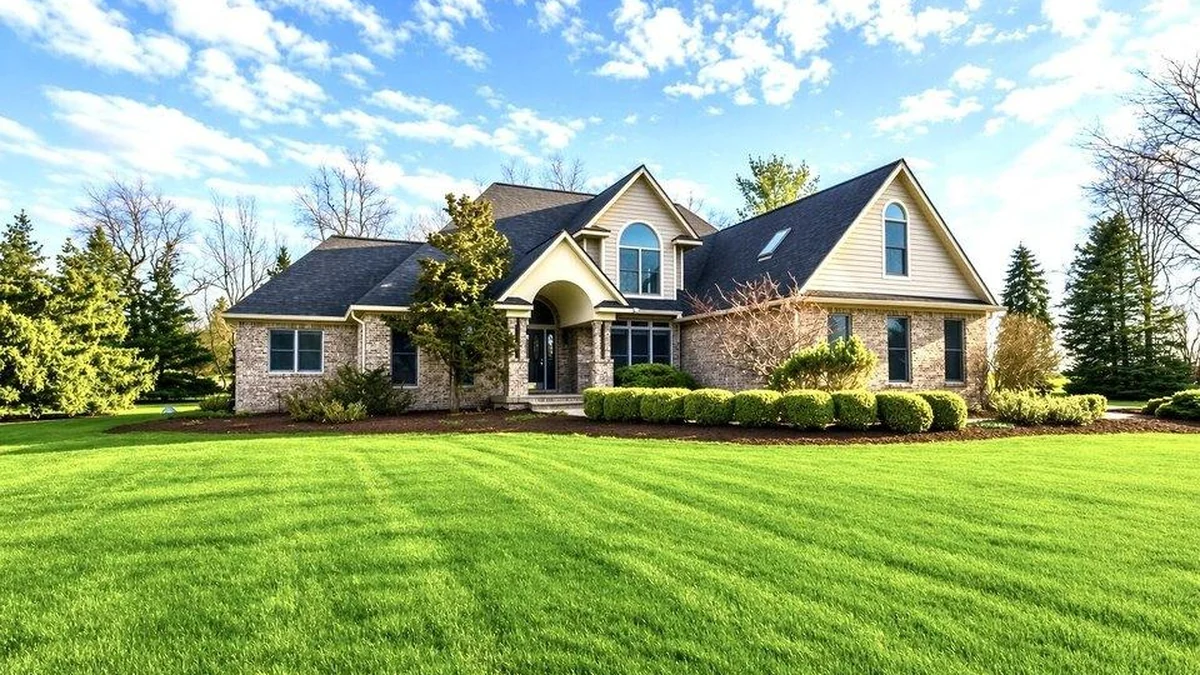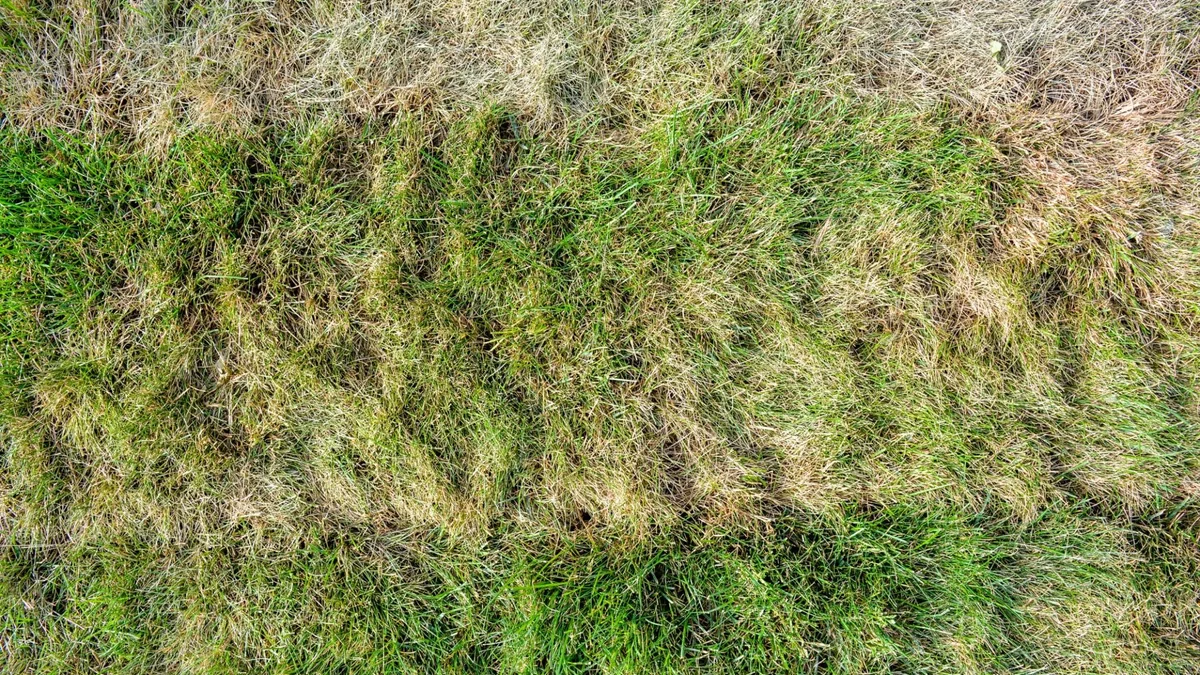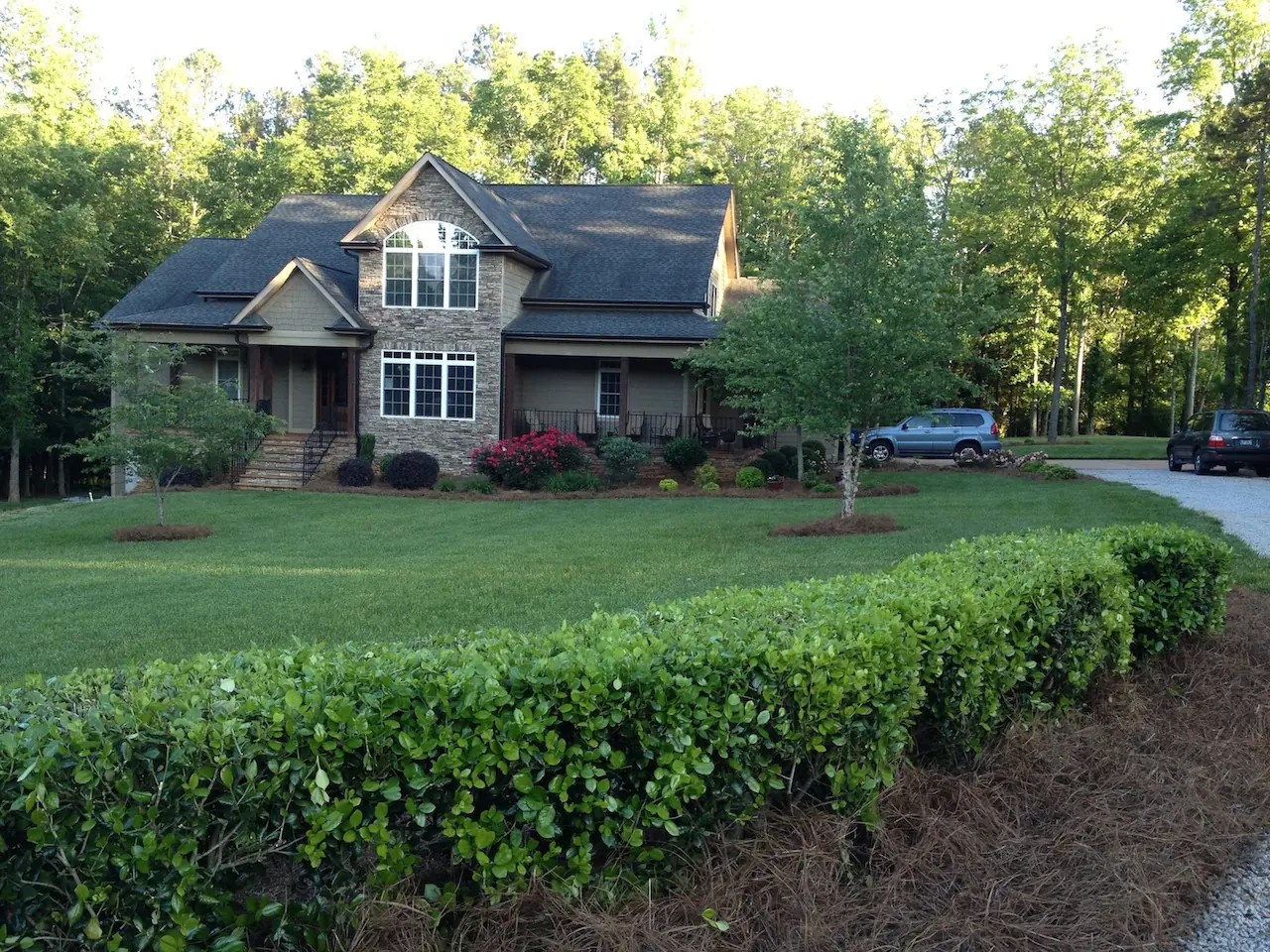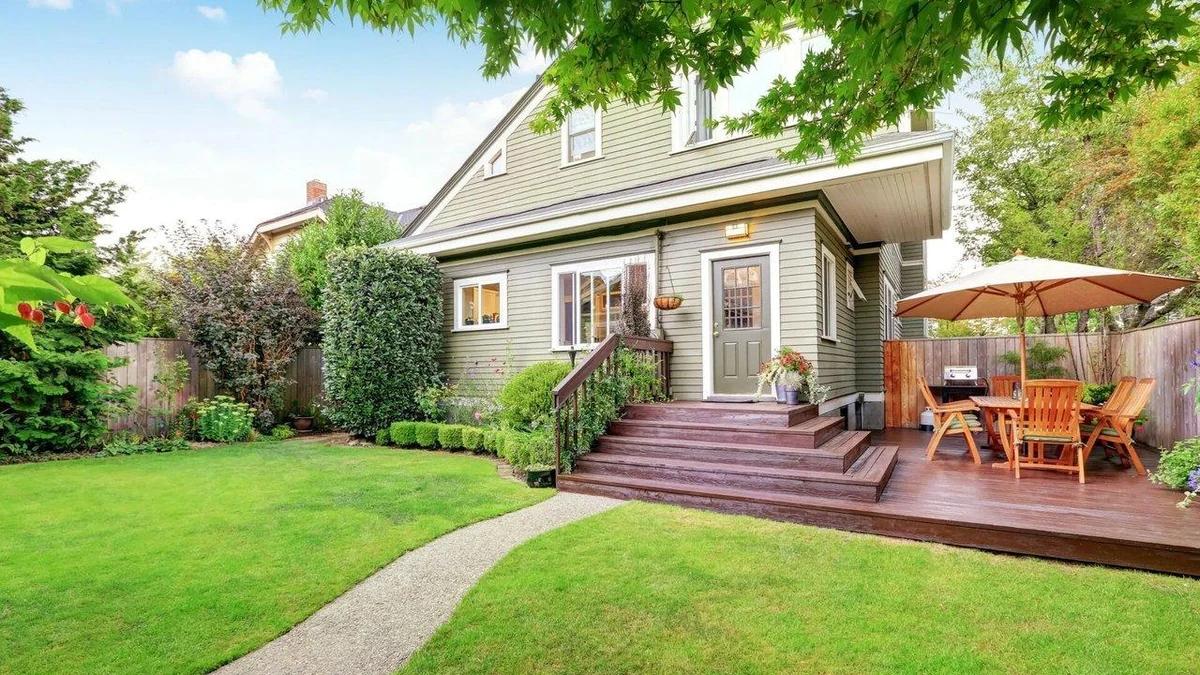
The best low-maintenance sod for busy homeowners often comes down to Zoysia and Centipede grass. Both grow more slowly than many other turf varieties, potentially reducing mowing and fertilization demands. Zoysia offers dense coverage and better tolerance for everyday activity, while Centipede requires relatively little fertilizer and suits lawns with lighter foot traffic. The right choice depends on sunlight, soil conditions, watering needs, and how the yard is used.
For homeowners in Charlotte and surrounding communities, spending every weekend mowing, watering, and troubleshooting lawn problems probably isn’t the dream. A beautiful lawn should complement a busy lifestyle, not consume every free afternoon. Understanding the differences between Zoysia and Centipede can help homeowners select turf that fits their schedules while providing attractive, practical outdoor space.
What Is the Best Low-Maintenance Sod?
Zoysia and Centipede are among the most practical options for homeowners seeking attractive lawns with manageable maintenance requirements.
However, they offer different advantages.
Zoysia is often the better choice for homeowners who want dense grass, moderate traffic tolerance, and relatively infrequent mowing. Its slower growth habit can reduce mowing demands compared with faster-growing grasses such as Bermuda.
Centipede is particularly appealing for homeowners who want minimal fertilization and less frequent mowing. Its slow growth and relatively low nutrient requirements make it suitable for certain low-traffic landscapes.
Neither grass is maintenance-free.
Both need appropriate watering, mowing, weed management, and seasonal attention.
Their performance also depends on whether the property provides suitable growing conditions.
For a quick comparison:
| Feature | Zoysia grass | Centipede grass |
| Growth rate | Slow to moderate, depending on cultivar | Slow |
| Mowing frequency | Generally low to moderate | Generally low |
| Fertilization | Moderate to low, based on cultivar and soil | Very low |
| Drought tolerance | Generally good once established | Limited to moderate |
| Foot traffic | Moderate to good | Poor to fair |
| Shade tolerance | Some varieties tolerate partial shade | Light to moderate shade |
| Winter appearance | Typically dormant and brown | Typically dormant and brown |
| Best fit | Active residential lawns with manageable upkeep | Lower-traffic lawns with suitable acidic soil |
The best low-maintenance sod is ultimately the variety that stays healthy with the least unnecessary intervention under a property’s actual conditions.
What Makes a Sod Variety Low Maintenance?
A grass variety does not become low maintenance simply because it grows slowly.
Several characteristics determine how much effort a lawn requires throughout the year.
Slower Growth Can Reduce Mowing
Some turf varieties grow rapidly during warm weather and require frequent cutting.
Others produce new growth more slowly.
Zoysia and Centipede generally fall into the slower-growing category.
This can reduce mowing frequency, especially compared with aggressively growing Bermuda lawns.
However, mowing requirements still depend on weather, fertilizer applications, and the desired appearance.
Lower Fertilizer Requirements Save Work
Different grass species have different nutrient needs.
Centipede is particularly well known for requiring relatively little nitrogen fertilizer.
Zoysia also has moderate nutrient requirements compared with some intensively maintained turf varieties.
Applying excessive fertilizer can increase growth, thatch, and maintenance demands.
Drought Performance Influences Watering
A grass that tolerates temporary dry conditions may require less supplemental irrigation once established.
However, drought survival and maintaining a consistently green appearance are different goals.
Even drought-tolerant turf may need water during prolonged dry periods.
Newly installed sod also requires more attentive watering until roots establish.
Natural Density Can Help Limit Weeds
Healthy, dense turf occupies space that weeds might otherwise use.
Zoysia is particularly known for its dense growth.
Centipede can also provide effective coverage under suitable conditions.
However, neither grass completely prevents weed growth.
Recovery Ability Matters
A lawn that gets damaged easily may create more maintenance work than one requiring slightly more mowing.
This is particularly important for families with children or pets.
The best low-maintenance sod should be judged by the amount of work required over time, not simply by how often the mower comes out.
How Much Maintenance Does Zoysia Require?
Zoysia is a popular warm-season grass for homeowners who want a dense, attractive lawn without the aggressive growth associated with Bermuda.
Its slower growth can make regular upkeep more manageable.
However, its actual maintenance needs depend on the cultivar and growing conditions.
Mowing Zoysia
Zoysia generally requires less frequent mowing than Bermuda.
During active summer growth, it still needs to be cut when its height exceeds the recommended range.
Different Zoysia cultivars have different textures and mowing requirements.
Fine-textured varieties may perform best at lower mowing heights, while broader-bladed varieties can be maintained somewhat higher.
Sharp mower blades are important because dull blades can tear the leaves and leave the lawn looking uneven.
Watering Established Zoysia
Established Zoysia has good drought tolerance.
During dry conditions, it may slow its growth or become less green.
Some lawns recover when adequate moisture returns.
However, extended drought can still cause damage.
Homeowners who prefer a consistently green summer lawn may need supplemental irrigation.
The frequency should reflect rainfall, temperature, soil drainage, and actual turf conditions rather than a rigid watering schedule.
Fertilizing Zoysia
Zoysia generally requires moderate to low nitrogen inputs.
Applying more fertilizer than necessary can encourage excessive growth and contribute to thatch accumulation.
Soil testing can help determine whether additional nutrients are needed.
Weed and Thatch Management
Dense Zoysia can help limit weed establishment once the lawn is healthy and fully covered.
However, thin or damaged areas may still allow weeds to develop.
Zoysia can also accumulate thatch under some conditions.
Thatch is a layer of organic material between living grass and the soil surface.
Excessive accumulation may interfere with water movement and turf health.
Appropriate mowing and fertilization help reduce unnecessary buildup.
Where Zoysia Fits Best
Zoysia can be a practical choice for decorative front lawns, family backyards, and residential properties with moderate activity.
It is not immune to damage, and its relatively slow recovery should be considered in heavily used areas.
Homeowners can explore the available Zoysia sod varieties offered by Main Street Sod Company to compare specific options.
How Much Maintenance Does Centipede Grass Require?
Centipede grass has earned a reputation for being one of the easier warm-season turfgrasses to maintain under suitable conditions.
Its slow growth and low nitrogen requirements appeal to homeowners who prefer a simpler lawn care routine.
However, Centipede is sensitive to several environmental factors.
Choosing it for the wrong property can create more problems than it solves.
Mowing Centipede Grass
Centipede grows slowly and typically requires less frequent mowing than fast-growing warm-season grasses.
It is generally maintained at a relatively low height, often around one to two inches, depending on conditions and recommendations.
Allowing the grass to become excessively tall can create problems with mowing quality and thatch.
Fertilization Requirements
One of Centipede’s greatest advantages is its low fertilizer requirement.
It typically needs substantially less nitrogen than Bermuda and often less than Zoysia.
However, additional fertilizer does not necessarily make Centipede healthier.
Excessive nitrogen can encourage unwanted growth and contribute to turf stress.
A soil test is useful for determining nutrient needs and avoiding unnecessary applications.
Watering Centipede
Centipede does not have the same drought tolerance as some other warm-season grasses.
During extended dry weather, it may experience moisture stress.
Its relatively shallow root system makes proper soil moisture management important.
Homeowners should avoid both prolonged drought and continuously saturated conditions.
Soil Preferences
Centipede generally prefers acidic soils.
It can struggle when soil pH is too high or when conditions involve excessive phosphorus, compaction, or poor drainage.
This is particularly important around Charlotte, where soil conditions vary between properties.
Centipede should not be chosen solely because it requires less mowing.
The soil must also support healthy growth.
Traffic Limitations
Centipede has relatively poor tolerance for concentrated foot traffic.
Repeated walking, running, or playing can create worn areas.
Because it grows slowly, those areas may take time to recover.
It is often more appropriate for lawns with light recreational use than for heavily used family backyards.
Main Street Sod Company offers Centipede grass sod for homeowners seeking a lower-input turf option where site conditions are suitable.
Zoysia vs. Centipede Grass for Busy Homeowners
When comparing these two grasses, the most important question is not which one requires the fewest minutes of maintenance in an ideal setting.
It is which one is most likely to stay healthy under normal household conditions.
Zoysia Offers More Flexibility for Everyday Use
Zoysia generally tolerates foot traffic better than Centipede.
That can make it more practical for households that use their lawns regularly.
Its dense growth also provides an attractive, uniform appearance.
However, damage recovery is still relatively slow compared with Bermuda.
Centipede Reduces Fertilizer Demands
Centipede’s low nutrient requirements are a major advantage.
For properties with suitable acidic soil and limited foot traffic, it can provide attractive coverage without intensive fertilization.
However, it may need more attention when drought stress, soil compaction, or heavy use becomes a problem.
Appearance Can Influence the Decision
Zoysia generally forms dense turf with textures ranging from fine to medium.
Some cultivars create a lush, carpet-like appearance.
Centipede typically has a lighter, apple-green color and a somewhat coarser texture.
Neither appearance is inherently better.
Homeowners should consider which look they prefer and whether they are comfortable with the turf’s seasonal dormancy.
The Lowest-Maintenance Choice Depends on the Yard
A household with active dogs may find Zoysia easier to maintain because Centipede could experience repeated wear.
A quiet front yard with acidic soil and minimal traffic may be an excellent location for Centipede.
The best low-maintenance sod is the grass that suits both the environment and the homeowner’s lifestyle.
Which Grass Needs Less Frequent Mowing?
For busy homeowners, mowing is often the most noticeable part of lawn maintenance.
Fortunately, both Zoysia and Centipede grow relatively slowly.
However, their mowing requirements are not identical.
Centipede Usually Has the Advantage
Centipede’s slow vertical growth generally allows less frequent mowing.
It is particularly appealing for homeowners who want a lawn that does not demand constant attention during the summer.
However, the grass must still be maintained at an appropriate height.
Waiting too long between mowing sessions can create excessive clippings and uneven cutting.
Zoysia Still Reduces Mowing Compared With Fast-Growing Turf
Zoysia typically requires less frequent mowing than Bermuda.
Its exact growth rate depends on cultivar, fertilization, rainfall, and temperature.
Some varieties grow more quickly than others.
Grass Height Matters
Homeowners should follow recommended mowing heights for their specific turf variety.
Cutting grass too short can increase stress and expose the soil to additional sunlight.
Allowing grass to grow excessively tall can also create problems when a large amount of leaf tissue is removed at once.
A useful general principle is to avoid removing more than approximately one-third of the grass blade during a single mowing.
Winter Dormancy Reduces Mowing
Both Zoysia and Centipede are warm-season grasses.
They generally stop active growth and turn brown during Charlotte’s colder months.
Mowing becomes minimal or unnecessary during much of dormancy.
This seasonal break can appeal to homeowners who want fewer maintenance responsibilities during winter.
How Watering Needs Compare
Watering requirements can make a significant difference in how manageable a lawn feels.
A grass that needs constant attention during dry weather may not fit the lifestyle of someone who travels frequently or has limited time for yard work.
However, watering should be evaluated realistically.
Established Zoysia Has Good Drought Tolerance
Zoysia is generally better adapted to temporary drought conditions than Centipede.
Its dense growth habit and physiological characteristics help it tolerate periods of limited moisture.
However, severe drought can still cause stress or damage.
Centipede Can Struggle With Extended Dry Conditions
Centipede is relatively sensitive to drought compared with some other warm-season grasses.
When soil moisture remains insufficient, it may develop discoloration or thinning.
This limitation can increase irrigation responsibilities during hot, dry periods.
New Sod Needs More Water Initially
Neither grass should be treated as low-water immediately after installation.
Fresh sod needs adequate moisture while roots grow into the underlying soil.
The required frequency varies by temperature, weather, soil, and establishment stage.
Homeowners should monitor moisture rather than relying on an identical schedule for every property.
Drainage Is Just as Important
Too much water can create problems.
Charlotte’s clay-rich soils may retain moisture longer than sandy soils.
In poorly drained areas, excessive watering can restrict oxygen around roots and contribute to turf decline.
The most manageable lawn is one with suitable irrigation and drainage.
Less Watering Does Not Mean No Watering
Both Zoysia and Centipede may require supplemental irrigation during extended dry periods.
Homeowners who want consistently green turf throughout summer may need more water than those who are comfortable with temporary drought-related discoloration.
How Fertilization and Weed Control Affect Maintenance
Fertilization and weed control can become recurring chores when turf is poorly matched to the property.
Choosing an appropriate grass variety helps reduce unnecessary intervention.
Centipede Requires Less Fertilizer
Centipede generally has the lowest nitrogen requirement among commonly used lawn grasses.
NC State Extension emphasizes that excessive fertilizer can damage Centipede and contribute to management problems.
Homeowners should avoid assuming that more fertilizer always produces a healthier lawn.
Zoysia Also Benefits From Moderate Fertilization
Zoysia generally requires less intensive fertilization than heavily maintained Bermuda.
However, nutrient needs vary with cultivar, soil conditions, and desired appearance.
A soil test can help prevent unnecessary applications.
Dense Turf Helps Limit Weeds
Healthy grass can reduce open spaces where weeds become established.
Zoysia’s dense growth may provide an advantage in this area.
Centipede can also suppress some weed growth when properly established.
However, gaps caused by traffic, drought, or poor soil conditions can allow weeds to spread.
Herbicide Selection Matters
Not every weed control product is suitable for every grass.
Centipede is particularly sensitive to certain herbicides.
Incorrect applications may damage the lawn.
Homeowners should always follow product labels and use treatments appropriate for their turf variety.
Preventing Problems Is Easier Than Repairing Them
Maintaining suitable mowing heights, avoiding excessive fertilizer, and managing irrigation can help reduce weed pressure.
These habits often require less work than repeatedly repairing thinning or damaged turf.
How Sun, Shade, and Soil Conditions Affect Your Choice
Even a grass marketed as low maintenance can become demanding when planted in unsuitable conditions.
Charlotte properties vary considerably in sunlight, soil texture, drainage, and landscape design.
Full Sun
Zoysia and Centipede can both grow in sunny locations.
Zoysia generally handles strong summer conditions well once established.
Centipede also performs well in suitable sunny areas but can be more vulnerable to drought stress.
Partial Shade
Some Zoysia cultivars tolerate partial shade.
Centipede may perform adequately under light shade when other growing conditions are favorable.
However, neither is appropriate for deep shade.
Homeowners should evaluate actual sunlight during the growing season.
Dense Tree Cover
Mature trees can create competition for water and nutrients.
They also reduce available sunlight.
A lawn beneath heavy tree cover may require a different landscape approach rather than another attempt to establish unsuitable turf.
Acidic Soil
Centipede generally prefers acidic soil.
This makes soil pH an especially important consideration.
Zoysia tolerates a broader range of soil conditions, although it still requires suitable drainage and nutrient availability.
Compaction
Compacted soil can restrict root development and reduce water infiltration.
Centipede is particularly sensitive to heavy compaction.
Zoysia may tolerate certain conditions better, but severe compaction can affect both grasses.
Drainage
Neither grass performs well in persistently waterlogged soil.
Low spots, standing water, and poor grading should be evaluated before sod installation.
The best low-maintenance sod should be selected according to the property’s existing conditions instead of expecting the grass to overcome every site problem.
Which Sod Is Better for Different Yard Uses?
The way homeowners use their yards influences how much maintenance will be required.
A lawn designed primarily for appearance has different needs from a backyard used for outdoor games and pets.
For Busy Families With Children
Zoysia is often the more practical choice.
It generally tolerates more foot traffic than Centipede and forms dense coverage under suitable growing conditions.
However, extremely heavy activity can damage any turfgrass.
For Homes With Dogs
Zoysia may be preferable for households with pets because of its greater traffic tolerance.
Still, repeated running along fence lines, digging, and concentrated urine exposure can create problems.
Centipede’s slow recovery and limited traffic tolerance may make it less suitable for highly active pets.
For Decorative Front Yards
Both grasses can be attractive options.
Zoysia offers dense coverage and a refined appearance.
Centipede provides a lighter green color and relatively simple maintenance when the soil and traffic conditions are suitable.
A front lawn that receives little activity may be an excellent setting for Centipede.
For Homeowners Who Travel Frequently
Established Zoysia may offer more flexibility during occasional dry periods.
However, no lawn should be expected to thrive indefinitely without appropriate care.
Centipedes may require closer attention during extended drought.
For Retirees Seeking Easier Yard Care
A lower-maintenance lawn can reduce the physical demands of regular upkeep.
Centipede may be attractive for a lightly used property with suitable soil.
Zoysia may be preferable when the homeowner wants more versatile turf with better traffic tolerance.
For Rental Properties
Maintenance requirements and traffic patterns deserve careful consideration.
Zoysia may handle ordinary residential use better.
Centipede could work on properties with low traffic and appropriate soil conditions.
However, neither grass eliminates the need for regular care.
For Small Residential Lawns
Either grass may work well when the site is suitable.
On smaller properties, sunlight, drainage, and surrounding trees often matter more than the overall lawn size.
How to Choose the Right Low-Maintenance Sod
The easiest way to reduce long-term lawn work is to select grass that matches the property before installation.
Homeowners can begin by evaluating several practical factors.
Step 1: Measure Sunlight Exposure
Observe the yard during the growing season.
Record which areas receive direct sunlight and which remain shaded.
This helps determine whether Zoysia or Centipede is likely to perform well.
Step 2: Consider Foot Traffic
Think about how often the lawn will be used.
A decorative yard with little activity may be suitable for Centipede.
A family backyard with frequent activity may benefit from Zoysia’s greater wear tolerance.
Step 3: Review Soil Conditions
Soil pH, drainage, and compaction can influence turf performance.
Centipede’s preference for acidic soil makes this step particularly important.
A soil test may help identify conditions that should be addressed before installation.
Step 4: Evaluate Irrigation
Determine whether the lawn has reliable access to water during establishment and extended dry periods.
Homeowners should not assume a low-maintenance variety will survive without watering.
Step 5: Decide How Much Mowing Is Acceptable
Centipede generally offers less frequent mowing.
Zoysia also reduces mowing demands compared with rapidly growing Bermuda.
The final choice depends on how much maintenance the homeowner is willing to perform.
Step 6: Consider Long-Term Appearance
Both grasses enter winter dormancy.
Homeowners should be comfortable with seasonal browning.
They should also consider differences in color, texture, and growth habits.
Step 7: Ask About Specific Cultivars
Not every Zoysia variety has identical characteristics.
Different cultivars may vary in mowing requirements, shade tolerance, texture, and cold tolerance.
Professional guidance can help narrow the options.
At Main Street Sod Company, we help homeowners compare grass varieties based on their lawn conditions and everyday needs.
Our team serves Charlotte and surrounding communities throughout North Carolina and South Carolina.
Homeowners can review our service areas to learn more about where we provide sod delivery and installation services.
Choosing the best low-maintenance sod is not about finding grass that never needs attention. It is about selecting turf that performs well with a realistic level of care.
FAQs About Low-Maintenance Sod
What is the easiest sod to maintain?
Zoysia and Centipede are two common lower-maintenance options. Zoysia offers dense turf and better traffic tolerance, while Centipede generally requires less fertilization and infrequent mowing. The easiest choice depends on soil, sunlight, and yard use.
Does Zoysia require less mowing than Bermuda?
Yes, Zoysia generally grows more slowly than Bermuda and often needs less frequent mowing. However, mowing requirements vary with cultivar, fertilizer use, rainfall, and temperature.
Is Centipede grass good for busy homeowners?
Centipede can be an excellent option for lightly used lawns with suitable acidic soil. It grows slowly and requires relatively little fertilizer. However, it has limited tolerance for heavy traffic, compaction, and prolonged drought.
Which low-maintenance grass needs the least water?
Established Zoysia generally has better drought tolerance than Centipede. However, both may need supplemental irrigation during extended dry periods. Newly installed sod requires consistent moisture until roots establish.
Is Zoysia or Centipede better for shade?
Some Zoysia varieties tolerate partial shade, while Centipede can perform in light shade. Neither is suitable for dense shade. The best choice depends on the amount of sunlight and the specific cultivar.
Can low-maintenance sod stay green all year?
Zoysia and Centipede are warm-season grasses that typically turn tan or brown during winter dormancy. They resume active green growth when temperatures become favorable in spring.
Spend More Weekends Enjoying the Yard, Not Maintaining It
A beautiful lawn should provide a place to relax, gather with family, and enjoy time outdoors without requiring constant attention.
For busy homeowners, choosing the right grass can make everyday lawn care more manageable.
Zoysia and Centipede both offer advantages, but they serve different needs.
Zoysia combines dense growth, good drought tolerance, and greater resistance to foot traffic. Centipede provides slow growth and very low fertilizer requirements for properties with suitable soil and limited activity.
At Main Street Sod Company, we help Charlotte homeowners choose turf that fits their property conditions and lifestyle.
Our team provides premium sod, professional installation, and guidance on selecting grass varieties suited to local soil, sunlight, and seasonal conditions.
Whether a homeowner wants to replace a high-maintenance lawn, improve a backyard, or establish a fresh landscape, we can help compare practical options.
The best low-maintenance sod is not necessarily the slowest-growing grass. It is the one that stays healthy, attractive, and functional without demanding more work than the homeowner wants to provide.
Contact Main Street Sod Company at (704) 349-2872 to request a free sod estimate and discuss whether Zoysia, Centipede, or another turf variety is the right fit for the property.