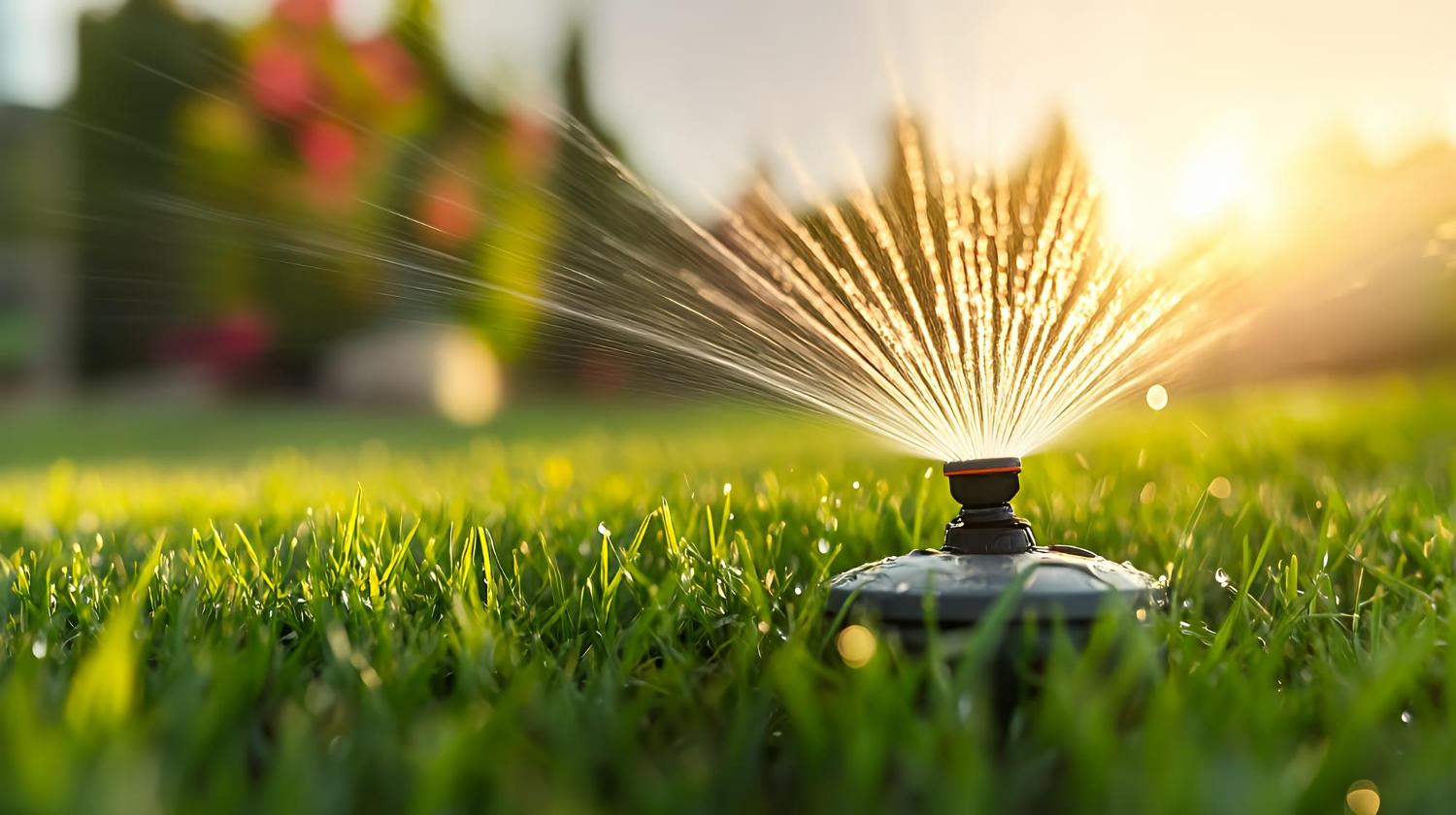
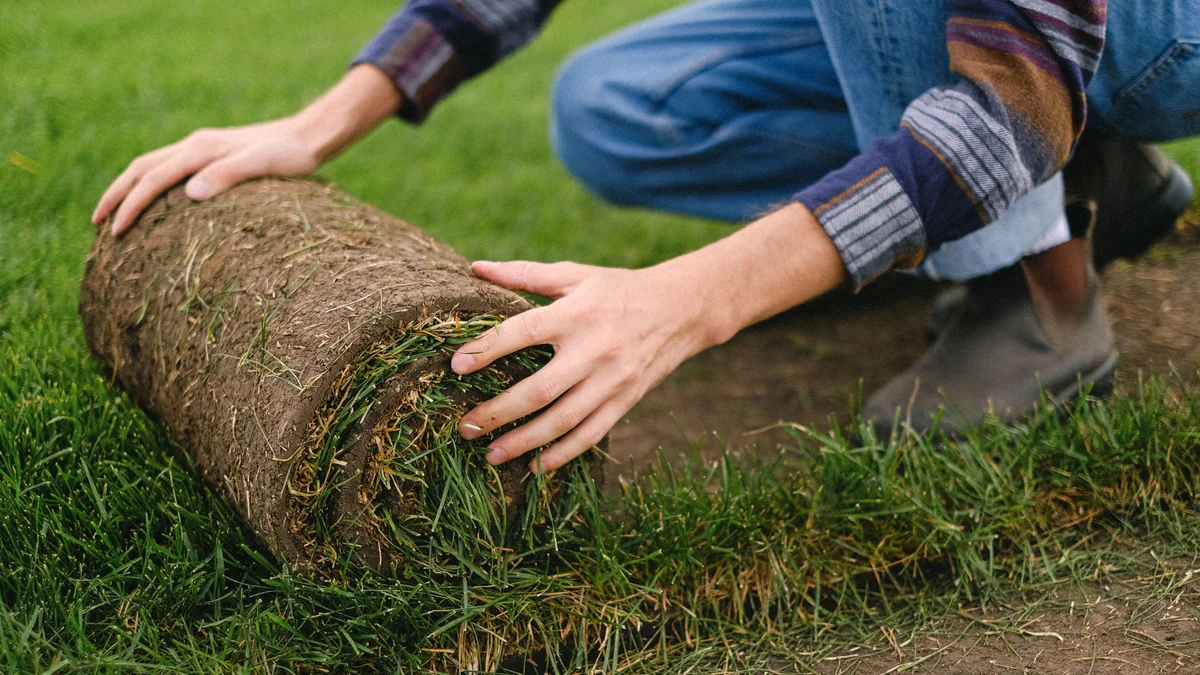
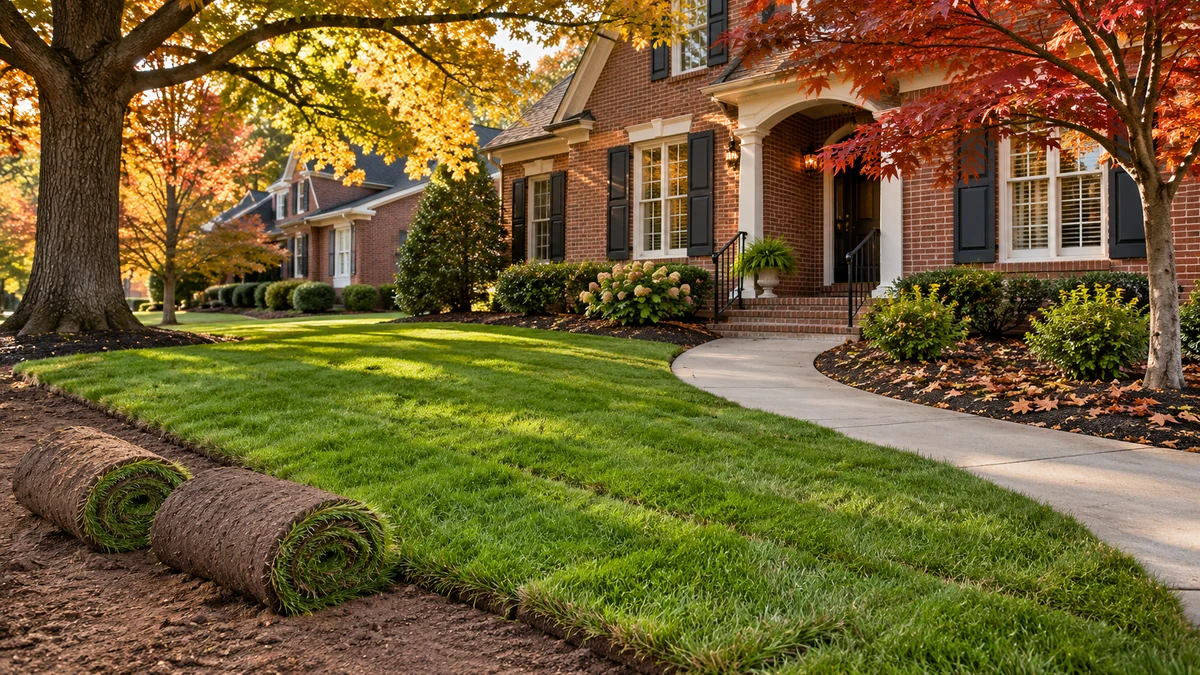
The best sod for pool areas is typically Zoysia or Bermuda grass, depending on how homeowners use their outdoor spaces. Zoysia provides dense, comfortable turf for poolside lounging and casual gatherings, while Bermuda offers excellent heat tolerance and faster recovery from frequent foot traffic. Both can perform well around swimming pools when sunlight, drainage, maintenance, and occasional pool-water exposure are properly managed.
For Charlotte homeowners, a backyard pool is often the centerpiece of summer entertainment. Between weekend barbecues, pool parties, and children racing from the patio to the water, the surrounding lawn experiences plenty of activity. Choosing suitable sod helps create an attractive outdoor space that can handle everyday use without becoming a constant maintenance project.
What Is the Best Sod for Pool Areas?
Zoysia and Bermuda are two strong choices for poolside lawns in Charlotte, North Carolina.
Both are warm-season grasses that tolerate summer heat and can form dense turf when properly established. However, each offers different advantages for swimming pool landscapes.
Zoysia is often better for decorative poolside areas, casual lounging, and homeowners who prefer less frequent mowing. Its dense growth creates a relatively uniform surface that complements patios, seating areas, and outdoor entertainment spaces.
Bermuda is often better for pool areas with frequent running, playing, and heavy foot traffic. Its aggressive growth helps it recover from wear more quickly during the active growing season.
The decision should also consider how much direct sunlight the lawn receives, how water drains away from the pool deck, and whether the grass will experience frequent splashing.
Homeowners comparing the best sod for pool areas should evaluate:
- Direct sunlight and surrounding shade.
- Expected foot traffic from swimmers and guests.
- Heat reflected by concrete, pavers, or stone.
- The amount of pool water reaching the grass.
- Soil drainage and runoff patterns.
- Watering and mowing requirements.
- Available space between the pool and surrounding landscaping.
Neither grass is completely resistant to chlorine, standing water, or repeated physical damage.
The most successful poolside lawn is one designed around the actual conditions of the backyard.
What Challenges Does Grass Face Around Pools?
Poolside lawns experience environmental conditions that differ from ordinary residential yards.
A front lawn may receive regular sunlight and occasional walking.
Grass surrounding a swimming pool can experience concentrated activity, reflected heat, chemical exposure, and unpredictable moisture.
These conditions affect how well turf establishes and performs over time.
Heat From Pool Decks
Concrete, stone, brick, and certain pavers absorb heat during sunny weather.
These materials can become extremely warm during Charlotte’s summer afternoons.
Heat radiating from surrounding hardscape may contribute to stressful conditions for nearby grass, especially along exposed edges.
Newly installed sod is particularly vulnerable because its roots have not fully developed into the underlying soil.
Frequent Foot Traffic
Swimmers rarely follow carefully planned walking routes.
Children may repeatedly cross the same section of grass between the pool and patio.
Guests may gather near lounge chairs, outdoor kitchens, or shaded seating areas.
Repeated activity can compact soil and wear down turf.
Pool-Water Splash
Ordinary pool use often sends water onto surrounding grass.
Small amounts of properly balanced pool water may not cause obvious damage.
However, repeated exposure, unusually high sanitizer concentrations, or chemical spills can injure turf.
Drainage Problems
Pool decks and surrounding hardscape influence how water moves across the yard.
If runoff collects in low areas, the grass may remain saturated.
Poor drainage can restrict oxygen around roots and contribute to turf decline.
Maintenance Challenges
Poolside landscaping often includes narrow grass strips, curved edges, and obstacles.
These areas may be difficult to mow or irrigate evenly.
Choosing the right grass is important, but thoughtful landscape planning matters just as much.
What Grass Traits Matter Most for Poolside Lawns?
The best sod for pool areas should provide a practical balance of appearance, comfort, and resilience.
A grass variety that looks attractive in photographs may not perform well under heavy swimming pool traffic.
Several characteristics deserve particular attention.
Heat Tolerance
Poolside grass often receives direct sunlight and additional heat from nearby surfaces.
Warm-season turfgrasses are generally better adapted to these summer conditions than cool-season varieties.
Both Zoysia and Bermuda grow actively during warm weather.
Traffic Tolerance
Some turfgrasses withstand repeated walking better than others.
Bermuda has excellent traffic tolerance.
Zoysia also handles moderate activity well, although recovery from damage is usually slower.
Recovery Speed
Damage is almost inevitable in highly used outdoor spaces.
Grass that spreads quickly can fill small worn areas during favorable growing conditions.
Bermuda generally has an advantage in this category.
Comfortable Texture
Poolside lawns are often used barefoot.
Homeowners may prefer grass that feels comfortable when walking between the pool and seating areas.
Different Zoysia and Bermuda cultivars have different blade textures, so the specific variety matters.
Manageable Growth
Grass growing beside pool coping, pavers, or landscape beds requires edging.
Bermuda spreads aggressively and may demand more frequent attention.
Zoysia generally spreads more slowly, which can make some maintenance tasks easier.
Suitable Drainage
Even heat-tolerant grass can struggle when roots remain waterlogged.
The surrounding soil must provide adequate drainage while retaining enough moisture for healthy growth.
The best choice balances all these characteristics rather than focusing on one feature.
How Zoysia Performs Around Pools
Zoysia is a popular warm-season turfgrass for residential landscapes where appearance and manageable maintenance are important.
Its dense growth and relatively slow spreading habit can make it attractive around swimming pools.
Dense Coverage Creates a Finished Appearance
Zoysia forms closely packed turf when established under suitable conditions.
This creates a uniform surface that can complement pool decks, landscaping beds, and outdoor entertaining areas.
Depending on the cultivar, the grass may have a fine, medium, or relatively broad leaf texture.
Some varieties provide the carpet-like appearance many homeowners associate with upscale backyard landscapes.
Comfortable for Casual Outdoor Activities
Zoysia can be suitable for lawns used for relaxing, walking, and normal family activities.
It offers a relatively dense surface that may feel pleasant underfoot.
However, no grass is automatically soft for every person.
Leaf stiffness and texture vary among Zoysia cultivars.
Homeowners who prioritize barefoot comfort should compare actual turf samples.
Good Summer Heat Performance
Established Zoysia generally tolerates Charlotte’s hot summer conditions well.
It also has good drought tolerance, although extended dry weather may affect appearance and growth.
Newly installed Zoysia requires consistent moisture while roots establish.
Slower Growth Reduces Some Maintenance
Zoysia grows more slowly than Bermuda.
This often means less frequent mowing and edging during the summer.
However, its slower growth also means worn or damaged areas can take longer to recover.
Where Zoysia Makes Sense
Zoysia is often a practical option for:
- Poolside lawns used mainly for lounging.
- Decorative spaces beside patios.
- Backyards with moderate guest activity.
- Properties where mowing frequency matters.
- Areas receiving full sun or suitable partial shade.
Homeowners can explore Main Street Sod Company’s Zoysia sod options to compare available varieties.
The right cultivar should reflect sunlight, soil conditions, maintenance preferences, and expected activity.
How Bermuda Grass Performs Around Pools
Bermuda is another strong candidate for sunny poolside lawns.
It is known for its vigorous warm-season growth, excellent traffic tolerance, and ability to recover from damage.
These characteristics can make it particularly useful around active family swimming pools.
Excellent Tolerance for Heavy Activity
Bermuda withstands frequent foot traffic better than many residential turfgrasses.
Its spreading growth helps it recover from worn areas during the active growing season.
This is especially useful when children repeatedly run between the pool and backyard play areas.
However, Bermuda should never be considered indestructible.
Concentrated traffic can still damage the lawn, especially when the soil is saturated or compacted.
Strong Performance in Full Sun
Bermuda thrives in open, sunny locations.
It generally performs best when receiving abundant direct sunlight throughout the growing season.
This can make it an excellent choice for pools surrounded by open lawns.
However, Bermuda has poor shade tolerance.
Properties with mature trees, covered patios, or tall privacy walls may have areas where Bermuda struggles.
Fast Growth Means More Maintenance
Bermuda spreads through aboveground stolons and underground rhizomes.
This aggressive growth supports recovery but can also create additional edging work.
Grass may spread toward landscape beds, pool decking, and walkways.
During peak summer growth, mowing may be required more frequently than with Zoysia.
Good Drought Tolerance
Established Bermuda tolerates heat and drought well.
However, drought tolerance does not mean the lawn will remain green without water during prolonged dry periods.
Adequate moisture supports appearance and growth.
Newly installed Bermuda still requires attentive watering until roots establish.
Where Bermuda Makes Sense
Bermuda is often suitable for:
- Active family pool areas.
- Sunny backyards used for outdoor games.
- Spaces with frequent guest traffic.
- Lawns where rapid wear recovery matters.
- Homeowners are comfortable with regular mowing and edging.
Main Street Sod Company provides Bermuda grass sod for residential and commercial landscapes.
For active poolside areas, Bermuda may offer advantages when sunlight and soil conditions are appropriate.
Zoysia vs. Bermuda for Backyard Entertaining
A backyard entertaining area should be functional as well as attractive.
The right turf depends on whether the space is primarily used for relaxing or frequent physical activity.
| Feature | Zoysia grass | Bermuda grass |
| Full-sun performance | Excellent | Excellent |
| Partial shade tolerance | Some cultivars tolerate partial shade | Generally poor |
| Summer heat tolerance | Very good | Excellent |
| Frequent foot traffic | Good to very good | Excellent |
| Recovery from damage | Relatively slow | Generally fast |
| Mowing frequency | Usually less frequent | Usually more frequent |
| Spreading behavior | Slower | Aggressive |
| Poolside appearance | Dense, carpet-like turf | Dense, actively growing turf |
| Occasional pool splash | Depends on exposure and conditions | Depends on exposure and conditions |
| Best fit | Lounging and moderate entertaining | Active pool parties and play |
For Relaxed Weekend Gatherings
A backyard centered on outdoor dining, lounge chairs, and quiet poolside activities may benefit from Zoysia.
Its dense appearance and slower growth can complement a well-maintained landscape.
For Frequent Pool Parties
A yard regularly hosting children, games, and active gatherings may benefit from Bermuda’s stronger traffic tolerance.
Its faster recovery can be valuable during warm-weather use.
For Smaller Poolside Lawns
In a narrow strip between the pool and fence, maintenance access and drainage may matter more than traffic tolerance.
Zoysia’s slower spreading habit may be easier to manage in some situations.
However, Bermuda can also perform well when sunlight and maintenance needs are appropriate.
For Landscapes With Partial Shade
Zoysia may have an advantage when nearby trees or structures create moderate shade.
Bermuda usually requires more direct sunlight.
The specific amount of shade still needs to be evaluated.
Neither grass is suitable for every heavily shaded location.
The best sod for pool areas should reflect how people actually use the space, not simply the appearance of the grass when first installed.
How Chlorine and Pool Splash Can Affect Grass
Pool-water exposure is one of the most important considerations for homeowners selecting sod around swimming pools.
It is also an area where misunderstandings are common.
No turfgrass should be described as completely chlorine-proof.
Does Normal Pool Splash Kill Grass?
Small amounts of properly balanced swimming pool water do not necessarily cause visible turf damage.
Actual effects depend on the amount of water, sanitizer concentration, water chemistry, frequency of exposure, and soil conditions.
An occasional splash is different from repeatedly draining concentrated pool water onto a lawn.
Concentrated Pool Chemicals Are More Dangerous
Undiluted or improperly handled pool chemicals can injure grass and other plants.
Chlorine products, concentrated sanitizers, and water with extreme pH levels should not be discharged onto lawns.
Chemical handling should follow product labels and applicable local requirements.
Saltwater Pools Also Need Attention
Saltwater pools use dissolved salt as part of their sanitizing systems.
Although their water may feel different from traditionally chlorinated pool water, it still contains sanitizer and dissolved salts.
Repeated application of salty water can contribute to soil salinity problems.
Salt accumulation may interfere with plant water uptake and damage sensitive turf.
The amount of exposure and soil drainage influence the risk.
Repeated Overflow Can Create Problems
During heavy pool use, water may repeatedly splash onto a narrow section of lawn.
If this area remains wet or receives substantial chemical exposure, turf may become stressed.
Poor drainage can make the situation worse.
What Should Homeowners Do After Excessive Splash?
If a lawn receives a large amount of ordinary pool water, homeowners should assess the exposure and soil conditions.
Where appropriate, clean water may help dilute and move residual chemicals through well-drained soil.
However, adding large amounts of water to already saturated ground can worsen drainage problems.
Significant chemical spills require the pool chemical manufacturer’s safety instructions and appropriate professional guidance.
For recurring problems, correcting splash patterns or providing a hardscape transition may be more effective than repeatedly replacing damaged grass.
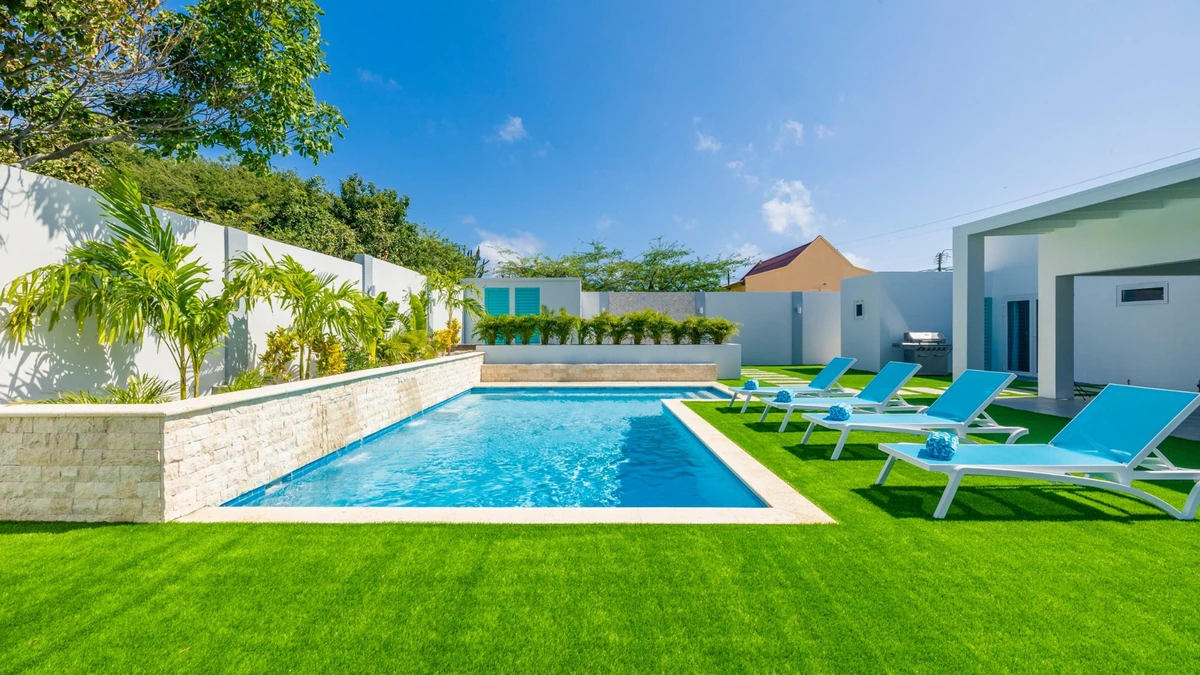
Which Sod Handles Foot Traffic and Heat Better?
Charlotte summers create demanding conditions for poolside turf.
Grass may receive intense afternoon sunlight while people repeatedly cross the same sections of lawn.
Heat tolerance and traffic recovery therefore deserve separate consideration.
Bermuda Has the Traffic Advantage
Bermuda is widely used on athletic fields because of its high wear tolerance and rapid recovery during active growth.
These same characteristics can benefit residential pool areas.
For a backyard with frequent activity, Bermuda may be the stronger option.
Zoysia Still Performs Well Under Normal Use
Zoysia tolerates moderate residential traffic.
However, its slower growth means repeated damage can remain visible longer.
A backyard where people mostly lounge, walk, and socialize may not require Bermuda’s aggressive recovery.
Both Handle Summer Heat
Both grasses are warm-season varieties adapted to hot weather.
Once established, they generally perform well during Charlotte summers.
However, extreme heat can increase moisture stress, particularly near concrete or other heat-absorbing surfaces.
Barefoot Traffic Is Different From Sports Traffic
A poolside lawn may experience many people walking barefoot but relatively little running.
That activity pattern is different from regular backyard sports.
Homeowners should consider whether the space is used for relaxing, playing, or both.
Winter Activity Changes the Equation
Both Zoysia and Bermuda typically become dormant during colder months.
Their ability to recover from traffic decreases significantly during dormancy.
For households using outdoor entertaining spaces year-round, concentrated winter foot traffic can create worn areas that remain until spring.
Selecting a traffic-tolerant grass does not eliminate this seasonal limitation.
Why Drainage Matters Around Pool Areas
Drainage is one of the most important factors affecting the long-term success of poolside turf.
Even a suitable grass variety can struggle when water collects around its roots.
Swimming pools introduce additional drainage considerations because surrounding hardscape can redirect water toward the lawn.
Pool Decks Influence Water Movement
Concrete and paver surfaces often shed water toward adjacent areas.
If a pool deck slopes toward a narrow strip of grass, runoff may collect there.
This can create saturated soil, muddy patches, and uneven turf conditions.
Heavy Charlotte Rainfall Adds Pressure
Summer thunderstorms can bring substantial rainfall in a short period.
Water moving across pool decks, patios, and nearby slopes may accumulate in low areas.
Clay-rich soil may drain slowly when compacted or already saturated.
Roots Need Oxygen
Healthy roots require both moisture and oxygen.
When soil remains waterlogged, oxygen availability decreases.
This can limit root development and contribute to turf decline.
Neither Bermuda nor Zoysia performs well under prolonged saturation.
Drainage Problems Can Look Like Grass Problems
Yellowing, thinning, and poor growth may initially seem related to the turf variety.
However, the underlying issue could be standing water or compacted soil.
Replacing grass without correcting the drainage problem may lead to repeated failure.
Keep Pool Runoff Away From Problem Areas
Homeowners should review where excess water flows during storms, pool overflow, and deck cleaning.
Appropriate grading and drainage features may help direct water away from vulnerable turf.
Any drainage changes should also protect nearby structures and neighboring properties.
Good drainage makes lawn maintenance easier and supports healthier turf over time.
Installation Considerations for Poolside Sod
Installing sod around a swimming pool involves more planning than simply covering bare ground.
Poolside areas often contain narrow planting spaces, curved boundaries, hardscape transitions, and drainage challenges.
The goal should be to create suitable conditions for the turf to establish and remain healthy.
Evaluate the Soil First
Construction activity around swimming pools can compact surrounding soil.
Heavy equipment, excavation, and material storage may leave the ground compressed.
Compacted soil can restrict root growth and reduce water infiltration.
The site should be assessed before new sod is installed.
Review Existing Grading
Areas around pool decks need appropriate drainage.
Low spots may collect splash water and rainfall.
Uneven surfaces can also make mowing difficult.
Significant drainage or grading concerns should be addressed before laying sod.
Check Sunlight Exposure
Pools surrounded by open yards may receive excellent sunlight.
However, privacy fences, covered patios, and neighboring buildings can create shade.
Bermuda generally requires full sun.
Some Zoysia cultivars offer greater flexibility in partially shaded areas.
Plan Irrigation Carefully
Poolside lawns can have unusual irrigation patterns.
Sprinkler heads should be positioned to water the grass effectively without unnecessarily spraying the pool deck or equipment.
New sod requires appropriate moisture while roots establish.
Watering should be adjusted according to temperature, soil, drainage, and establishment stage.
Consider the Width of Grass Strips
Very narrow strips of sod can be difficult to maintain.
They may dry quickly, receive concentrated heat, or become damaged by repeated foot traffic.
In some locations, decorative stone, pavers, or other landscaping materials may provide a more practical transition.
Allow Time for Establishment
Newly installed sod may look complete immediately, but it is not ready for regular entertaining.
Roots need time to grow into the underlying soil.
Frequent walking, running, or placing furniture on fresh sod can interfere with this process.
Pool parties and heavy activity should be limited until the turf is sufficiently rooted.
Maintain Safe Poolside Conditions
Grass can complement a pool, but it should not compromise necessary safety features.
Pool fencing, gates, drainage, slip-resistant walking surfaces, and required clearances must remain functional.
Sod should never block drains, interfere with pool equipment, or replace hardscape where a safe, stable walking surface is needed.
The best sod for pool areas works as part of a thoughtful landscape design rather than as a substitute for proper pool construction and safety planning.
How to Choose Based on Yard Use and Maintenance
The final decision between Zoysia and Bermuda should be based on real-world expectations.
A beautiful lawn is only valuable when it suits the homeowner’s routine.
For Families With Young Children
Bermuda may be the stronger option when the pool area receives frequent running and active play.
Its rapid summer recovery can help repair minor worn areas.
However, poolside safety should always take priority over turf selection.
For Couples Who Enjoy Outdoor Entertaining
Zoysia can provide an attractive setting for casual gatherings, outdoor dining, and relaxed poolside activities.
Its slower growth may reduce mowing demands during summer.
For Homeowners With Dogs
Bermuda generally tolerates concentrated traffic better.
Zoysia can handle ordinary pet activity but may recover more slowly from repeated wear.
Neither grass is immune to digging or concentrated urine damage.
For Low-Maintenance Preferences
Zoysia may be appealing because it generally grows more slowly.
However, the lawn still needs watering, fertilization, mowing, and monitoring.
Bermuda requires more frequent mowing during active growth but may recover more easily from heavy use.
For Sunny, Open Backyards
Both varieties can perform well.
The decision may come down to traffic tolerance, preferred appearance, and mowing frequency.
For Yards With Partial Shade
Some Zoysia cultivars may be more suitable than Bermuda.
However, dense shade can prevent either grass from performing successfully.
For Pool Areas With Poor Drainage
Neither variety should be expected to solve persistent drainage problems.
Correcting the underlying conditions should come before turf selection.
For Homeowners Who Want a Polished Appearance
Zoysia’s dense growth and slower spreading habit may provide the look some homeowners prefer.
Bermuda can also produce an attractive lawn but usually requires more frequent maintenance.
A Practical Final Checklist
Before choosing poolside sod, homeowners should ask:
- How much sunlight does the grass receive?
- How often will people walk or play on it?
- Does water collect after rainfall or pool use?
- Will the lawn experience repeated pool-water exposure?
- How much mowing and edging is acceptable?
- Is irrigation available during dry weather?
- Are narrow planting areas better suited to hardscape?
- Which cultivar best fits the property’s conditions?
At Main Street Sod Company, we help homeowners compare turf varieties based on actual growing conditions and intended lawn use.
Our team serves Charlotte and surrounding North Carolina and South Carolina communities.
Homeowners can explore our service areas to learn more about where sod delivery and installation services are available.
FAQs About Sod for Pool Areas
What is the best grass to install around a swimming pool?
Zoysia and Bermuda are two practical options. Zoysia provides dense turf and generally requires less frequent mowing, while Bermuda offers excellent traffic tolerance and faster recovery from wear. The best choice depends on sunlight, drainage, splash exposure, and activity levels.
Will chlorine from a swimming pool kill sod?
Occasional small splashes of properly balanced pool water may not cause noticeable damage. However, concentrated chemicals, repeated exposure, or large volumes of pool water can harm turf. No grass should be considered completely chlorine-proof.
Is Zoysia or Bermuda better for pool parties?
Bermuda is often better for pool areas with heavy foot traffic and frequent activity because it recovers quickly during active growth. Zoysia may be preferable for more relaxed entertaining spaces where appearance and lower mowing frequency are priorities.
Can sod grow next to concrete pool decking?
Yes, sod can grow beside concrete decking when suitable soil, drainage, sunlight, and irrigation are available. However, reflected heat, runoff, and narrow planting spaces can increase stress. Proper site planning is important.
Which poolside grass needs less mowing?
Zoysia generally requires less frequent mowing than Bermuda because of its slower growth. However, actual maintenance depends on the cultivar, weather, fertilizer use, and preferred lawn appearance.
Does saltwater pool water damage grass?
Repeated exposure to salty pool water can contribute to soil salinity and turf stress. Occasional minor splashes may not cause visible damage, but concentrated discharge and recurring overflow should be avoided.
Build a Poolside Lawn That’s Ready for More Than Just the Next Party
A backyard pool should be surrounded by landscaping that looks attractive, feels inviting, and supports the activities homeowners enjoy most. Whether that means weekend barbecues, quiet afternoons beside the water, or energetic summer gatherings, selecting the right sod can make the outdoor space more functional and easier to maintain.
At Main Street Sod Company, we help Charlotte homeowners compare turf varieties that match their property’s sunlight, soil conditions, drainage, and expected foot traffic.
Our team supplies premium sod and provides professional installation services for residential and commercial landscapes throughout Charlotte and surrounding communities.
For poolside projects, we can help homeowners evaluate the differences between Zoysia and Bermuda, including their growth habits, heat tolerance, maintenance requirements, and recovery from everyday wear.
We understand that pool areas present unique challenges. Reflected heat, concentrated traffic, irrigation coverage, and excess water can all influence how well a lawn performs.
Choosing the best sod for pool areas means considering these conditions before making a decision.
A carefully selected grass variety can complement the pool design while providing an enjoyable space for relaxing and entertaining.
Ready to improve the lawn around a swimming pool or backyard entertainment area? Contact Main Street Sod Company at (704) 349-2872 to request a free sod estimate and discuss the right turf options for the property.