
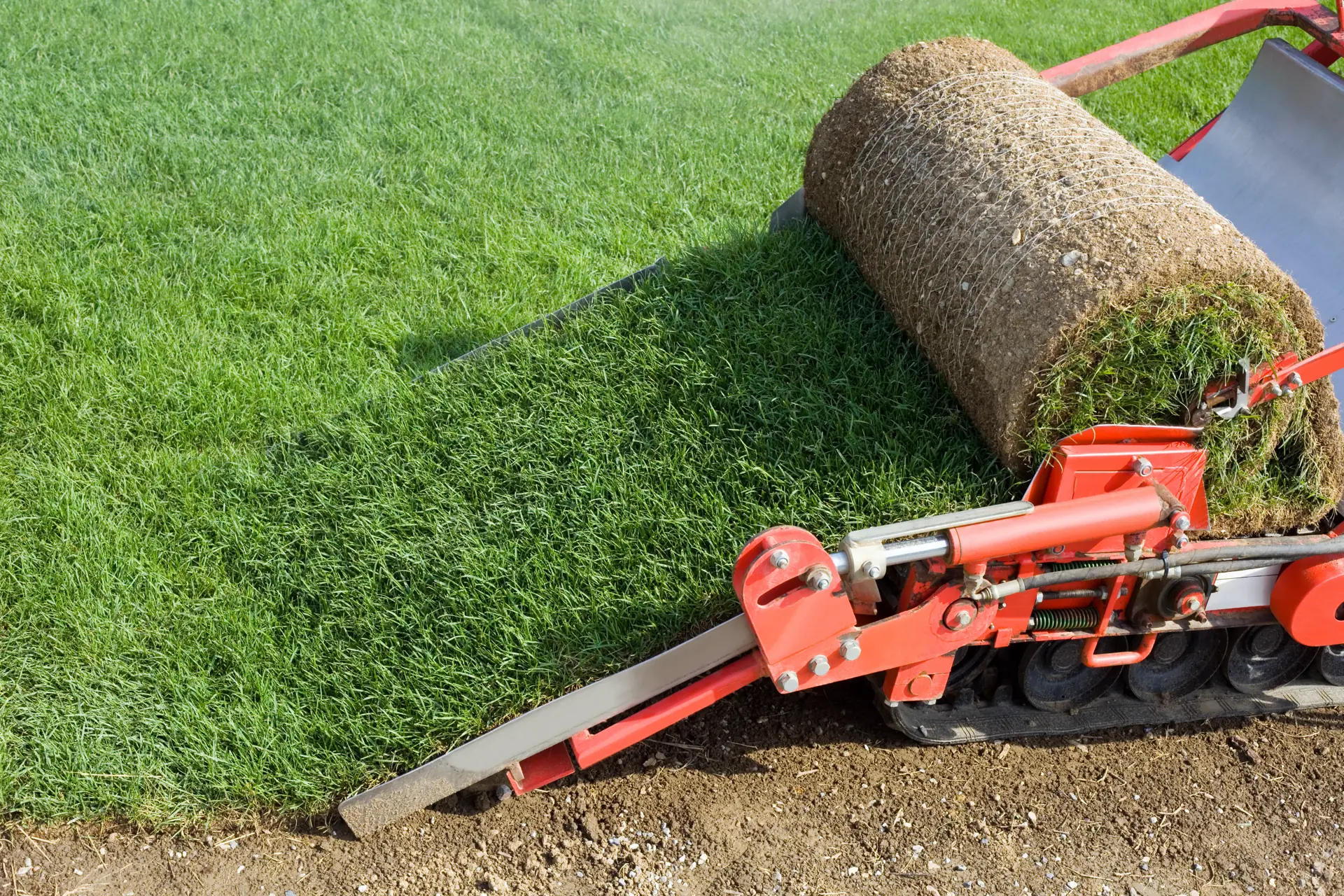
Most sod begins developing shallow roots within the first 10 to 14 days. Full establishment usually takes four to six weeks, although some lawns may need longer during cool, hot, or dry conditions.
Early Root Development
During the first week, the sod is mainly relying on moisture stored in the soil and grass layer. New roots start extending downward as the soil remains evenly moist.
By the second week, healthy sod should begin attaching to the ground. The grass may still lift slightly at the corners, but the center should start resisting gentle pressure.
Full Establishment
Sod is considered more fully established when roots have grown deeply enough to hold the turf firmly in place and support normal watering intervals.
Proper preparation before new sod installation also affects how quickly roots connect with the soil. Preparing the ground correctly before installation is one of the biggest factors in successful rooting, as explained in The Importance of Soil Preparation Before Installing Sod.
When Can I Walk On Newly Installed Sod?
Avoid regular foot traffic for at least two weeks after installation. Walking too early can shift seams, create depressions, and damage roots before they become anchored.
Limited Access During Watering
Brief access may be necessary to move sprinklers or inspect moisture. Step carefully and vary your path to avoid compressing the same area repeatedly.
Heavy traffic can separate sod pieces and leave low spots that hold water.
When Normal Use Can Resume
Light foot traffic is usually acceptable after the sod resists gentle lifting and the ground is no longer excessively soft. More active use may need to wait three to four weeks.
Waiting protects the surface and encourages even growth. Protecting seams from movement helps the lawn develop a uniform surface as roots spread beneath each section.
How Often Should I Water New Sod During Establishment?
New sod should be watered immediately after installation and kept consistently moist during the first two weeks. Frequency depends on heat, wind, soil type, rainfall, and irrigation coverage.
First Week
Water two to four times daily if conditions are hot, sunny, or windy. The goal is to keep the sod and upper soil moist without creating standing water.
Check several areas, including corners and edges, because they dry faster than the center. Areas near pavement, walls, and slopes may also need additional attention.
Second Week
As roots begin entering the soil, reduce watering frequency while increasing the amount applied during each cycle. This encourages roots to grow deeper.
After Initial Rooting
After two to three weeks, transition toward deeper and less frequent watering. Early morning is usually the best time because less water is lost to evaporation.
A professional plan for sod installation in Charlotte, NC should consider seasonal temperatures, clay soil, rainfall, and lawn exposure. For additional maintenance guidance, see How to Maintain Your Sod: Watering, Mowing, and Fertilization Tips.
What Are The Signs That Sod Has Taken Root?
Rooted sod feels firmly attached to the soil and does not lift easily when gently pulled. Other signs include even color, upright growth, and improving resistance to light foot traffic.
The Gentle Pull Test
Choose a corner or seam and lift carefully. If the sod resists, roots are connecting with the soil.
New Growth
Fresh blade growth shows that the grass is using water and nutrients from the soil. The lawn may also begin looking fuller as seams become less noticeable.
Improved Moisture Response
Established sod can handle longer intervals between watering without wilting quickly. Grass that remains green and springy after watering is usually progressing well.
Brown edges, loose sections, or persistent wilting may indicate dry spots, poor soil contact, or uneven irrigation. Homeowners experiencing these issues may also benefit from reading Preventing and Fixing Common Sod Problems.
How Can I Help Sod Establish Faster?
Fast establishment depends on soil contact, moisture, nutrients, and reduced stress. The goal is not to force growth but to create stable conditions for root development.
Prepare The Soil Correctly
Before installation, remove debris, weeds, rocks, and compacted material. Grade the area so water drains away from structures and does not collect in low spots.
Loosened soil allows roots to penetrate more easily. A soil test can also identify pH or nutrient problems that should be corrected.
For the best results, proper sod preparation and, when necessary, grading and leveling help create ideal growing conditions.
Maintain Even Moisture
Inconsistent watering is one of the most common reasons sod struggles. Dry periods can shrink seams and damage new roots.
Too much water can also create problems. Saturated soil limits oxygen and may encourage disease.
Limit Traffic And Mow Carefully
Keep people and pets off the lawn until roots develop. When mowing begins, use sharp blades and remove no more than one-third of the grass height.
Can Sod Die Before It Roots?
Sod can die before rooting if it dries out, remains waterlogged, loses soil contact, or experiences severe heat, disease, or heavy traffic.
Drying Out
Fresh sod has a limited root system and cannot pull water from deep soil. Even a short dry period during hot weather can cause browning and edge shrinkage.
Overwatering
Constantly saturated soil reduces oxygen around the roots. This can lead to weak growth, disease, and poor attachment.
Poor Soil Contact
Air gaps beneath the sod prevent roots from reaching the soil. Rolling after installation can improve contact and reduce movement.
Delayed Installation
Sod should be installed soon after delivery. Rolls left stacked in heat can begin deteriorating rapidly because the center traps moisture and heat.
Prompt installation, correct watering, and early monitoring reduce the risk of failure. Timely sod delivery is also important for maintaining turf freshness before installation.
When Is The First Mow After Sod Installation?
The first mow usually takes place about two to three weeks after installation. Timing should be based on root strength and grass height rather than the calendar alone.
Check Rooting First
The sod should resist lifting before mowing. If sections move underfoot, wait a few more days.
The soil surface should also be firm enough to support the mower without leaving ruts.
Use The Correct Mowing Height
Set the mower to the recommended height for the grass variety. Removing too much growth at once can stress the lawn and slow rooting.
Use sharp blades to make clean cuts. Dull blades tear grass and increase moisture loss.
Avoid mowing immediately after heavy watering. Wet soil compresses easily, and wet grass can clump.
After the first mow, continue watering based on weather and soil moisture rather than following the initial schedule.
Key Takeaways
New sod usually begins rooting within 10 to 14 days and becomes more established after four to six weeks. Consistent moisture, direct soil contact, proper grading, and limited traffic all support healthy root development. Water frequently at first, then shift toward deeper and less frequent irrigation as roots strengthen. Avoid walking or mowing too early. The sod should resist gentle lifting before normal use begins. Careful monitoring during the first month helps prevent dry edges, waterlogged soil, uneven growth, and problems that can delay successful lawn establishment overall over time.
Give Your New Lawn A Strong Start
MainStreet Sod Company helps homeowners plan and complete sod projects with attention to soil preparation, grading, grass selection, installation, and early watering requirements.
For professional sod installation in Charlotte, NC, the team can explain the expected rooting schedule and provide practical guidance for watering, mowing, and protecting the lawn during establishment. Every property has different sunlight, drainage, soil, and irrigation conditions, so aftercare should match the site.
A properly installed and maintained lawn has a better chance of rooting evenly and developing long-term strength. Contact MainStreet Sod Company to create a clear establishment plan and avoid common mistakes during the lawn’s most sensitive stage.