Sod is better when you want a finished lawn quickly, while seed is better when lower upfront cost matters most. The right answer to should I use sod or seed depends on budget, timing, yard condition, grass type, and how soon you need usable turf. Sod gives instant coverage and erosion control. Seed costs less but takes longer and needs more patience. For homeowners comparing sod vs seed for a new lawn, the best choice depends on sunlight, soil preparation, watering ability, maintenance expectations, and long-term goals for your property overall.
Is Sod Better Than Grass Seed For A New Lawn?
Sod is better than grass seed when speed, appearance, erosion control, and reliable coverage are top priorities. Grass seed may be better when you have more time, a tighter budget, or want a wider choice of seed blends.
When Sod Is The Better Choice
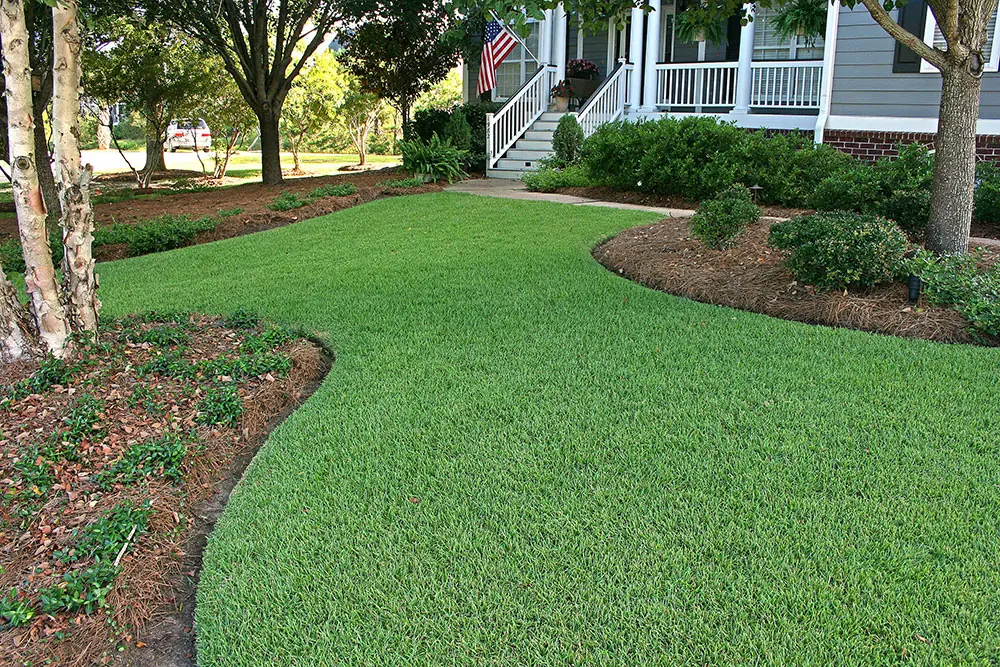
Sod is grown professionally, harvested in rolls, and installed over prepared soil. Once placed, it creates an immediate green surface.
It is useful for front yards, new construction homes, bare areas, slopes, and properties where mud or erosion is a concern.
For sod installation in Charlotte, NC, professional sod installation can help homeowners establish a usable lawn faster during the right season.
When Seed Is The Better Choice
Seed is useful when you can wait for germination and early growth. It works well for overseeding, repairing thin areas, or improving existing lawns.
Seed also allows more variety. You may choose blends based on shade, heat, traffic, or drought tolerance.
What Are The Pros And Cons Of Sod Vs. Seed?
Sod and seed can both create a healthy lawn, but they have different strengths and risks.
Pros Of Sod
Sod provides instant coverage, fast curb appeal, better erosion control, and fewer weed issues at installation. It can be used sooner than seeded grass when properly rooted.
Cons Of Sod
Sod costs more upfront. It requires quick installation after delivery and careful watering while roots establish.
Grass variety may be more limited because sod farms grow specific turf types. If you’re deciding which variety is right for your yard, check out our guide to choosing the right sod for your lawn.
Pros Of Seed
Seed is more affordable and offers broad grass variety. It is easy to transport and can cover large areas at lower material cost.
Cons Of Seed
Seed takes longer to establish. It can wash away, dry out, attract birds, or compete with weeds.
New seedlings are fragile and need consistent care before the lawn becomes durable.
Which Option Is More Affordable: Sod Or Seed?
Seed is usually more affordable than sod at the start. Sod costs more because it includes mature turf, professional growing time, harvesting, delivery, and labor.
Seed Has Lower Upfront Cost
Grass seed may fit large lawns where budget is the main concern. The material cost is much lower than sod.
However, seed may require straw, starter fertilizer, soil amendments, erosion control, and repeat applications if germination fails.
Sod Has Higher Upfront Cost
Sod costs more, but it delivers immediate coverage. It may reduce erosion, mud, and weed pressure faster than seed.
This can make sod worth the investment where appearance, speed, and property use matter.
Compare Total Cost
The cheapest option is not always the lowest long-term cost. Failed seed may require reseeding, extra watering, weed control, and more labor.
When comparing sod vs. seed for a new lawn, include time, water, soil preparation, risk, and expected results.
How Long Does Sod Take Compared To Grass Seed?
Sod creates an instant lawn appearance, but it still needs time to root. Grass seed may take weeks to germinate and months to become established.
Sod Timeline
Sod looks finished the day it is installed. Roots often begin attaching within days if the soil is prepared and watered correctly.
Light use may be possible after a few weeks, but heavy traffic should wait until rooting is strong.
Seed Timeline
Seed germination depends on grass type, temperature, moisture, and soil contact. Some grasses sprout within a week, while others take longer.
Even after germination, young grass needs time to thicken. A seeded lawn may take a full growing season to look mature.
Does Sod Require Less Maintenance Than Seed?
Sod often requires less early maintenance than seed after installation, but it still needs careful watering, limited traffic, and proper mowing. Seed usually requires more daily attention during germination.
Early Sod Care
New sod needs frequent watering at first so roots do not dry out. Once rooted, watering can be reduced gradually.
Sod should not dry, shrink, or separate at the seams. Following proper sod maintenance practices helps ensure healthy establishment.
Early Seed Care
Seed needs steady moisture until germination. The surface should stay damp, not flooded.
Heavy rain can wash seed away. Dry weather can stop germination. Weeds may compete with seedlings.
Long-Term Care
After establishment, both sod and seed need mowing, fertilization, watering, aeration, weed control, and seasonal maintenance.
Sod is not maintenance-free. It simply starts ahead because the grass is already mature.
Which Option Provides Better Long-Term Results?
Both sod and seed can provide strong long-term results when the grass type matches the site and the soil is prepared correctly. Long-term success depends more on installation quality and maintenance than the starting method.
Site Matching Matters
Sunlight, shade, drainage, soil type, and foot traffic should guide the grass choice.
A sun-loving sod will struggle in deep shade. A shade seed blend may fail in intense heat and full sun.
Soil Preparation Matters
Healthy turf starts with prepared soil. Compacted soil, poor grading, low nutrients, and drainage problems should be corrected before sod or seed.
Skipping preparation can cause thin growth, standing water, weeds, and weak roots. Professional sod preparation creates a stronger foundation for either approach.
Local Growing Conditions Matter
For sod installation in Charlotte, NC, choosing the right grass for local heat, clay soil, and yard conditions matters as much as installation. If you’re preparing your property beforehand, our guide on how to prepare your yard for sod installation offers helpful insights.
Can I Combine Sod And Seed In The Same Lawn?
Yes, you can combine sod and seed in the same lawn when different areas have different needs. This approach can control cost while giving fast results where they matter most.
Where Sod Works Best
Use sod in high-visibility areas, slopes, erosion-prone spots, bare front yards, and places that need quick coverage.
Sod is helpful near entrances, walkways, and areas where mud would become a problem.
Where Seed Works Best
Use seed for larger low-traffic areas, thin existing turf, side yards, or spaces where time is less urgent.
Seed can also help blend areas over time if the grass type is compatible.
Get A Plan First
Before combining methods, decide which areas need instant turf and which can wait. A professional can help map the lawn and avoid mismatched results.
Start Your Lawn With The Right Method
At MainStreet Sod Company, I help homeowners choose the right lawn method based on budget, timing, soil, sunlight, and long-term goals. I do not believe every yard needs the same answer.
If you are asking should I use sod or seed, I can help you compare both options honestly. For homeowners considering sod installation in Charlotte, NC, my goal is to recommend a practical lawn solution that fits your property and gives the grass a strong start. If you’re ready to discuss your project, feel free to contact us.
Sod gives fast results, instant coverage, and better early erosion control. Seed costs less and offers more grass variety, but it takes longer and needs more early care. The best choice depends on budget, timeline, soil, slope, sunlight, and how soon you need a usable lawn. Some homeowners benefit from using both methods in different areas. When comparing sod vs. seed for a new lawn, focus on long-term success, not just installation day appearance. MainStreet Sod Company can help you choose wisely with practical guidance for your yard and budget.